
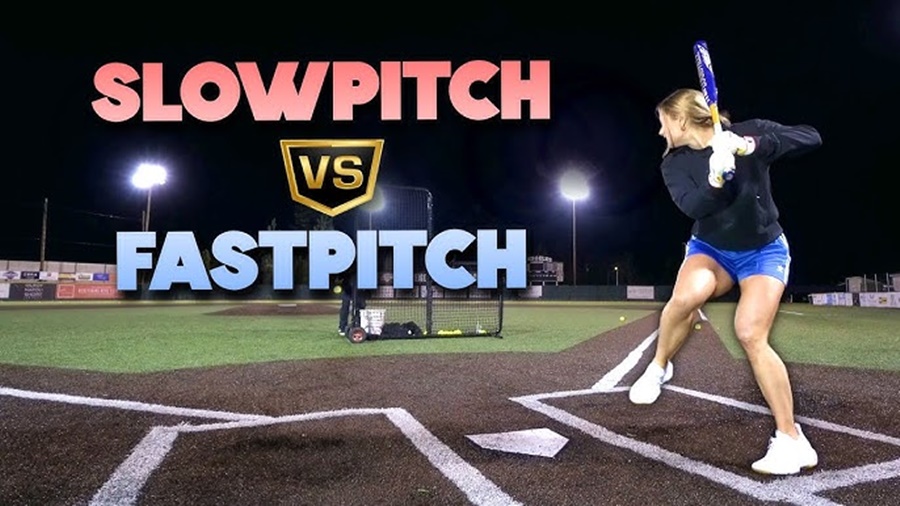
Softball is one of the most popular bat-and-ball sports in North America and beyond, offering opportunities for players of all ages and skill levels. But if you’re new to the game, you’ll quickly discover there are two main versions: fastpitch and slowpitch.
While both fall under the umbrella of softball and are governed internationally by organizations like the World Baseball Softball Confederation, the experience on the field can feel completely different.
So which one is right for you? Let’s break it down.
What Is Fastpitch Softball?
Fastpitch softball is the more competitive, high-intensity version of the sport. It’s played at youth, high school, collegiate, and international levels, including the Olympics.
In fact, fastpitch softball is the version featured in the Summer Olympics.
Key Characteristics of Fastpitch
- Pitching style: Underhand windmill motion at high speeds (often 55–70+ mph at advanced levels)
- Number of players: 9 per team
- Game pace: Quick and strategic
- Bunting & stealing: Allowed and commonly used
- Field size: Slightly smaller than baseball, but similar in structure
- Emphasis: Speed, defense, pitching dominance
Who Is Fastpitch Best For?
Fastpitch is ideal for:
- Competitive athletes
- Players who enjoy fast reaction times and strategy
- Youth athletes aiming for high school or college scholarships
- Those who thrive under pressure and structured play
If you love intensity, quick plays, and strategic depth, fastpitch may be your game.
What Is Slowpitch Softball?
Slowpitch softball is typically more recreational and social, though competitive leagues certainly exist.
As the name suggests, the ball is pitched slowly in a high arc, making it easier to hit. The focus is often on offense, fun, and accessibility.
Key Characteristics of Slowpitch
- Pitching style: High arc (usually 6–12 feet)
- Number of players: Often 10 per team (sometimes with an extra outfielder)
- Game pace: More relaxed
- Stealing bases: Not allowed
- Bunting: Not allowed
- Emphasis: Hitting and offensive play
Who Is Slowpitch Best For?
Slowpitch is great for:
- Adults looking for recreational leagues
- Social players
- Beginners learning fundamentals
- Corporate, church, or co-ed leagues
If you’re looking for fun, fitness, and friendly competition without intense pressure, slowpitch is a fantastic option.
Major Differences at a Glance
| Feature | Fastpitch | Slowpitch |
|---|---|---|
| Pitch Speed | Fast (55–70+ mph) | Slow with high arc |
| Team Size | 9 players | 10 players |
| Stealing | Allowed | Not allowed |
| Bunting | Allowed | Not allowed |
| Game Style | Defensive & strategic | Offensive & social |
| Typical Players | Youth, competitive athletes | Adults, recreational players |
Skill Development Comparison
Fastpitch Develops:
- Quick reflexes
- Advanced defensive skills
- Strategic thinking
- High-level pitching and catching mechanics
Slowpitch Develops:
- Batting confidence
- Field awareness
- Team communication
- Basic fundamentals
Both versions build hand-eye coordination, teamwork, and fitness — just at different intensities.
Physical Demands
Fastpitch is generally more physically demanding. The quicker pitch speed means:
- Faster reaction times
- More explosive movements
- Greater conditioning requirements
Slowpitch still requires athletic ability but allows more time to react and typically involves fewer high-speed plays.
Age and Accessibility
- Youth leagues: Most commonly fastpitch
- High school & college: Fastpitch
- Adult recreational leagues: Mostly slowpitch
- Co-ed leagues: Primarily slowpitch
If your goal is long-term competitive advancement, fastpitch offers more structured pathways. If your goal is lifelong recreation and community, slowpitch often wins.
Equipment Differences
While much of the equipment is similar, there are subtle differences:
- Bats: Some leagues have specific bat standards depending on pitch style
- Balls: Slowpitch balls are sometimes slightly larger or have different compression
- Protective gear: Catchers in fastpitch wear more protective equipment due to higher pitch speeds
Always check league rules before purchasing gear.
Competitive Pathways
Fastpitch offers more formal advancement opportunities, including:
- Travel teams
- High school varsity teams
- College scholarships
- International competitions
Organizations like the National Collegiate Athletic Association govern college-level fastpitch competition in the United States.
Slowpitch, while competitive at higher levels, is more commonly played for recreation rather than career progression.
So… Which One Should You Choose?
Choose Fastpitch If:
- You’re competitive and thrive on intensity
- You want to pursue school or college athletics
- You enjoy strategy and quick gameplay
Choose Slowpitch If:
- You want a fun, social environment
- You’re new to softball
- You prefer offense-heavy gameplay
- You’re joining a recreational adult league
Conclusion
There’s no “better” version only the version that fits your goals, personality, and lifestyle.
Fastpitch delivers speed, competition, and high-level athletic development.
Slowpitch offers accessibility, fun, and strong community vibes.
Whichever you choose, softball provides teamwork, fitness, and unforgettable moments on the field.

Leave a Reply