
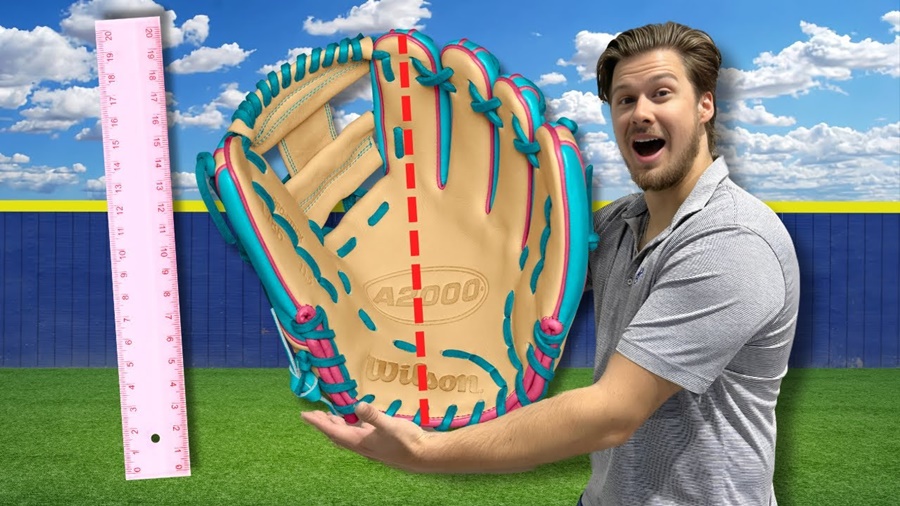
Choosing the right baseball glove is one of the most important decisions a player can make. The size of the glove directly affects performance, comfort, and control on the field. Whether you’re a beginner, a youth player, or an experienced athlete, understanding the difference between small and large baseball gloves will help you make the best choice for your position and playing style.
Understanding Baseball Glove Sizes
Baseball gloves are measured in inches, typically ranging from about 9 inches for young children to 13 inches or more for adult players. The size refers to the distance from the tip of the index finger to the heel of the glove.
- Small gloves: Usually range from 9″ to 11.5″
- Large gloves: Typically range from 12″ to 13″+
Each size serves a specific purpose depending on the position and level of play.
Small Baseball Gloves
Advantages
1. Better Control and Quick Transfers
Smaller gloves allow players to field the ball and transfer it to their throwing hand quickly. This is especially important for infielders who need to make fast plays.
2. Lightweight and Easier to Handle
A smaller glove is lighter, making it easier to react quickly and maintain precision during fast-paced plays.
3. Improved Ball Feel
With less padding and a tighter pocket, players can feel the ball better, improving accuracy when throwing.
Disadvantages
1. Smaller Catching Area
A smaller glove means less margin for error. If your timing or positioning is slightly off, you’re more likely to miss the catch.
2. Less Forgiveness for Beginners
New players may struggle because smaller gloves require better technique and coordination.
Best For
- Infielders (shortstop, second base, third base)
- Players who prioritize speed and precision
- Youth players developing fundamental skills
Large Baseball Gloves
Advantages
1. Bigger Catching Surface
A larger glove increases the chances of catching the ball, even if the player is slightly out of position.
2. Deeper Pocket
The deeper pocket helps secure the ball, making it ideal for catching high-speed hits or throws.
3. More Forgiving
Larger gloves are generally more forgiving for beginners or players still improving their coordination.
Disadvantages
1. Slower Ball Transfer
Because of the deeper pocket and larger size, it takes longer to get the ball out and throw it.
2. Heavier and Bulkier
This can slow down reaction time and reduce agility, especially for positions requiring quick movements.
Best For
- Outfielders (left field, center field, right field)
- First basemen
- Players who prioritize reach and catching ability
Key Differences at a Glance
| Feature | Small Glove | Large Glove |
|---|---|---|
| Control | High | Moderate |
| Catching Area | Smaller | Larger |
| Weight | Lightweight | Heavier |
| Ball Transfer Speed | Fast | Slower |
| Best Positions | Infield | Outfield, First Base |
Choosing the Right Glove Size
When deciding between a small and large glove, consider the following:
1. Position
Your position on the field is the biggest factor. Infielders need quick hands, while outfielders need reach.
2. Age and Hand Size
Younger players or those with smaller hands should opt for smaller gloves for better comfort and control.
3. Skill Level
Beginners may benefit from larger gloves due to the increased forgiveness, while advanced players often prefer smaller gloves for precision.
4. Personal Preference
Some players simply feel more comfortable with a certain size. Trying different gloves can help determine what feels right.
Conclusion
There is no universally “better” glove only the one that best fits your role and playing style. Small gloves offer speed, control, and precision, making them ideal for infield play. Large gloves provide reach, security, and a bigger catching area, making them perfect for outfielders and certain specialized positions.
Ultimately, the right glove helps you perform confidently and efficiently on the field. Taking the time to choose the correct size can significantly improve your game and overall experience in baseball.




Leave a Reply