
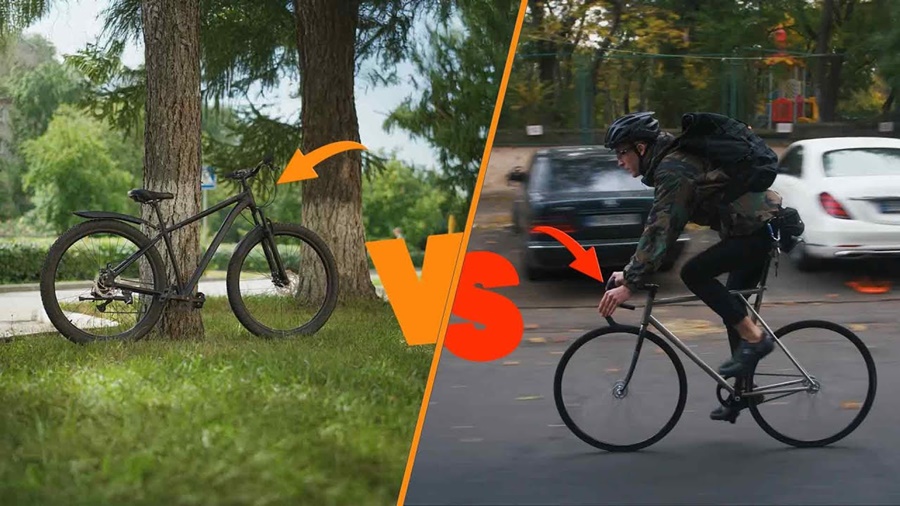
Mountain biking is one of the most exciting ways to explore trails, improve fitness, and enjoy outdoor adventure. Whether riding through rocky terrain, forest paths, or city streets, choosing the right bike setup can greatly affect performance and riding experience. One of the biggest decisions riders face is whether to choose a single speed mountain bike or a geared mountain bike.
Both options have passionate supporters. Some riders enjoy the simplicity and durability of a single speed bike, while others prefer the versatility and efficiency of a geared mountain bike. Understanding the strengths and weaknesses of each type helps riders make the right choice based on terrain, riding style, fitness level, and budget.
This article explores the differences between single speed and geared mountain bikes in detail, including their features, advantages, disadvantages, maintenance requirements, costs, and ideal use cases.
What Is a Single Speed Mountain Bike?
A single speed mountain bike has only one gear ratio. Unlike traditional bikes with multiple gears, it uses one front chainring and one rear cog. Riders cannot shift gears while riding.
The simplicity of the drivetrain is what makes single speed bikes unique. There are no derailleurs, shifters, or complex gear systems. Power from the pedals transfers directly to the rear wheel through a straightforward chain setup.
Single speed mountain bikes are popular among riders who value simplicity, lightweight performance, and low maintenance.
What Is a Geared Mountain Bike?
A geared mountain bike includes multiple gear ratios that riders can change depending on terrain and riding conditions. Most modern mountain bikes have anywhere from 7 to 12 rear gears combined with one or more front chainrings.
The gear system allows riders to pedal efficiently on steep climbs, fast descents, technical trails, and flat roads. Riders can shift into easier gears for climbing and harder gears for speed.
Geared mountain bikes dominate the modern cycling market because they provide flexibility and adaptability for different riding situations.
Main Differences Between Single Speed and Geared Mountain Bikes
| Feature | Single Speed Mountain Bike | Geared Mountain Bike |
|---|---|---|
| Number of Gears | One | Multiple |
| Complexity | Simple | More complex |
| Maintenance | Low | Higher |
| Weight | Lighter | Heavier |
| Climbing Ability | More difficult | Easier |
| Speed Versatility | Limited | Excellent |
| Riding Experience | Pure and direct | Smooth and adaptable |
| Cost | Usually cheaper | Usually more expensive |
| Mechanical Reliability | Very reliable | More parts can fail |
| Learning Curve | Demanding physically | Easier for beginners |
Advantages of a Single Speed Mountain Bike
1. Simple Design
One of the biggest advantages of a single speed mountain bike is simplicity. With fewer moving parts, there is less that can break or require adjustment.
There are:
- No gear cables
- No shifters
- No front or rear derailleurs
- No complicated drivetrain tuning
This simplicity appeals to riders who prefer a clean and minimal setup.
2. Lower Maintenance
Since the drivetrain has fewer components, maintenance is easier and cheaper.
Single speed bikes:
- Require less cleaning
- Need fewer repairs
- Have fewer mechanical issues
- Are easier to maintain at home
For riders who dislike constant tuning and repairs, a single speed bike can save time and money.
3. Lightweight
Removing gears and related components reduces overall bike weight.
A lighter bike offers:
- Better acceleration
- Easier handling
- Improved maneuverability
- More responsive riding
Weight savings are especially noticeable on technical trails.
4. Improved Riding Skills
Single speed riding forces riders to develop better:
- Pedaling technique
- Momentum control
- Climbing strength
- Trail reading skills
Because riders cannot rely on gears, they must learn how to maintain speed and choose efficient riding lines.
5. Quiet Ride
Without derailleurs and multiple chain positions, single speed bikes are quieter. Many riders enjoy the silent and smooth riding experience.
Disadvantages of a Single Speed Mountain Bike
1. Difficult Climbing
Climbing steep hills can be extremely challenging because riders cannot shift into easier gears.
This can lead to:
- Increased fatigue
- Leg strain
- Reduced efficiency on long climbs
Mountainous terrain may become exhausting for inexperienced riders.
2. Limited Speed Range
A single gear ratio means compromise. A setup ideal for climbing may feel too slow on flat terrain, while a setup optimized for speed may make climbs very difficult.
3. Physically Demanding
Single speed riding requires strong legs, endurance, and cardiovascular fitness.
Long-distance rides or technical trails can become tiring quickly.
4. Less Versatile
Single speed bikes perform best in certain environments but struggle in highly varied terrain.
They are less suitable for:
- Long mountain climbs
- Racing across mixed terrain
- Riders who need flexibility
Advantages of a Geared Mountain Bike
1. Better Climbing Ability
The biggest advantage of geared bikes is easier climbing.
Lower gears help riders:
- Conserve energy
- Climb steep hills efficiently
- Maintain comfortable cadence
- Ride longer distances
This makes geared bikes ideal for mountainous terrain.
2. Greater Versatility
Geared bikes adapt to many riding conditions.
They work well for:
- Steep climbs
- Fast descents
- Flat roads
- Technical trails
- Long-distance rides
This versatility makes them suitable for most riders.
3. Easier for Beginners
New riders often find geared bikes easier because they can shift gears according to terrain difficulty.
Lower gears reduce physical strain and improve confidence.
4. Better Speed Control
Riders can maintain efficient pedaling at different speeds.
This improves:
- Endurance
- Efficiency
- Comfort
- Overall performance
5. More Comfortable on Long Rides
Long-distance riding becomes easier because riders can adjust resistance throughout the ride.
This helps reduce muscle fatigue and knee strain.
Disadvantages of a Geared Mountain Bike
1. Higher Maintenance
More components mean more maintenance.
Common maintenance tasks include:
- Adjusting derailleurs
- Replacing cables
- Tuning gears
- Cleaning drivetrain parts
Poorly maintained gears can cause shifting problems.
2. Heavier Weight
Additional components increase bike weight.
The extra weight may affect:
- Climbing speed
- Handling
- Acceleration
3. More Expensive
Geared bikes usually cost more due to the complex drivetrain system.
Replacement parts and repairs also increase long-term costs.
4. Mechanical Problems
Derailleurs and shifters are vulnerable to:
- Dirt
- Mud
- Impacts
- Misalignment
Mechanical failures can occur during trail rides.
Which Bike Is Better for Beginners?
For most beginners, a geared mountain bike is the better option.
Reasons include:
- Easier climbing
- Reduced physical effort
- Greater versatility
- Better comfort
- Easier adaptation to different terrains
However, highly motivated riders seeking a challenge may enjoy learning on a single speed bike.
Which Bike Is Better for Fitness?
Single speed mountain bikes often provide a more intense workout.
Because riders cannot shift gears:
- Leg strength improves faster
- Cardiovascular endurance increases
- Pedaling efficiency develops naturally
Geared bikes still provide excellent exercise but allow riders to manage effort more easily.
Best Terrain for Single Speed Mountain Bikes
Single speed bikes perform best on:
- Rolling trails
- Moderate terrain
- Smooth singletrack
- Urban riding
- Dry conditions
They are less ideal for:
- Extremely steep mountains
- Long technical climbs
- Highly varied terrain
Best Terrain for Geared Mountain Bikes
Geared bikes excel in:
- Mountain trails
- Rocky terrain
- Long-distance rides
- Steep climbs
- Mixed surfaces
They are the better choice for riders exploring different environments.
Cost Comparison
Single Speed Bikes
Typically cheaper because they have:
- Fewer parts
- Simpler drivetrain
- Lower maintenance costs
Budget riders often appreciate their affordability.
Geared Bikes
Usually more expensive because of:
- Complex components
- Advanced drivetrains
- Higher repair costs
High-performance mountain bikes with premium gear systems can become very costly.
Maintenance Comparison
Single Speed Maintenance
Maintenance is straightforward:
- Clean chain
- Lubricate drivetrain
- Check chain tension
There are fewer adjustments needed.
Geared Bike Maintenance
Maintenance is more detailed:
- Adjust shifting
- Tune derailleurs
- Replace worn cassettes
- Service cables
Regular maintenance is essential for smooth performance.
Riding Experience
Single Speed Feel
Single speed riding feels:
- Raw
- Direct
- Engaging
- Physically rewarding
Many riders describe it as a pure form of mountain biking.
Geared Bike Feel
Geared bikes feel:
- Efficient
- Comfortable
- Adaptable
- Smooth
They help riders handle a wider variety of situations.
Who Should Choose a Single Speed Mountain Bike?
A single speed mountain bike is ideal for:
- Experienced riders
- Fitness-focused cyclists
- Riders who enjoy simplicity
- People who want low maintenance
- Riders on smoother trails
It suits cyclists who enjoy a physical challenge and minimalistic riding.
Who Should Choose a Geared Mountain Bike?
A geared mountain bike is best for:
- Beginners
- Trail explorers
- Long-distance riders
- Mountain climbers
- Riders needing versatility
It is the most practical option for general mountain biking.
Conclusion
The choice between a single speed mountain bike and a geared mountain bike depends on personal preference, terrain, and riding goals.
A single speed mountain bike offers simplicity, durability, lightweight performance, and a physically demanding riding experience. It is perfect for riders who enjoy minimalism and want to improve strength and technique.
A geared mountain bike provides versatility, easier climbing, comfort, and adaptability across many terrains. It is generally the better choice for beginners and riders who frequently encounter varied trail conditions.
Neither option is universally better. The ideal bike depends on the rider’s needs, fitness level, and style of adventure. Riders seeking simplicity and challenge may love single speed bikes, while those wanting flexibility and efficiency will likely prefer geared mountain bikes.





Leave a Reply