
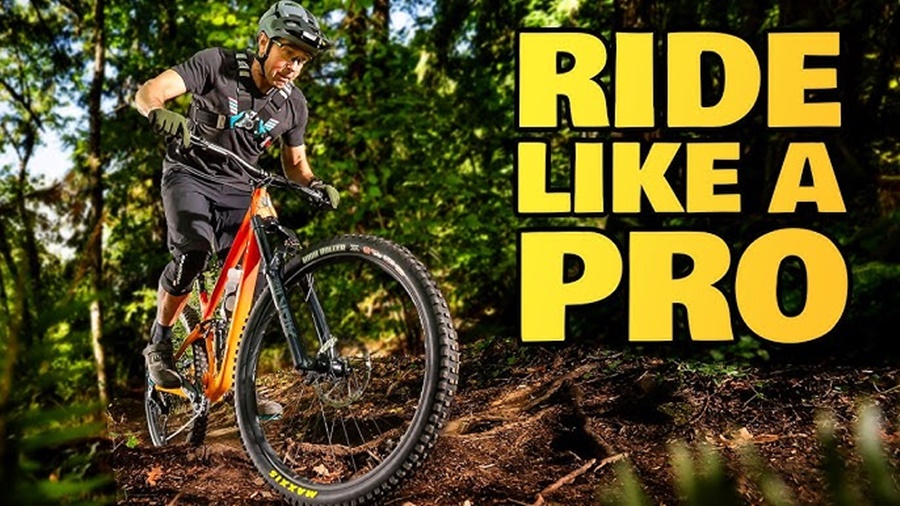
Mountain biking is one of the most exciting outdoor sports in the world. Whether you ride for fitness, adventure, racing, or weekend fun, the type of mountain bike setup you choose makes a huge difference. A beginner mountain bike setup is designed for comfort, affordability, and ease of use, while a professional MTB setup focuses on performance, durability, speed, and advanced control.
Understanding the differences between beginner and professional mountain bike setups can help riders make smarter purchasing decisions and improve their riding experience over time.
What Is a Beginner Mountain Bike Setup?
A beginner mountain bike setup is designed for new riders who are still learning basic riding skills and trail techniques. These bikes are usually affordable, easy to maintain, and forgiving on rough terrain.
The primary goals of beginner MTB setups are:
- Comfort
- Stability
- Simplicity
- Affordability
- Basic trail capability
Beginner bikes are commonly used for:
- Casual trail riding
- City and park rides
- Light off-road adventures
- Fitness riding
- Weekend recreation
Most beginner mountain bikes fall into the hardtail category, meaning they have front suspension but no rear suspension.
What Is a Professional MTB Setup?
A professional mountain bike setup is built for experienced riders, competitive racers, and aggressive trail enthusiasts. These bikes are engineered for maximum performance on technical terrain.
Professional MTB setups prioritize:
- Speed
- Precision handling
- Advanced suspension performance
- Lightweight construction
- High durability
- Superior braking and shifting
Professional mountain bikes are commonly used for:
- Enduro racing
- Downhill riding
- Cross-country racing
- Technical trail riding
- Long-distance mountain adventures
These bikes often include full suspension systems, premium components, and highly adjustable features.
Frame Differences
Beginner MTB Frames
Beginner mountain bikes usually use aluminum frames because they are affordable and durable. The geometry is designed to keep riders comfortable and stable.
Characteristics include:
- Upright riding position
- Relaxed frame angles
- Heavier construction
- Basic internal cable routing
- Simpler design
These features help new riders feel more confident and balanced on trails.
Professional MTB Frames
Professional bikes use advanced materials such as:
- Carbon fiber
- High-grade aluminum
- Titanium
These frames are lighter, stronger, and more responsive. Professional geometry is optimized for aggressive riding and technical terrain.
Features often include:
- Lightweight frame construction
- Aggressive trail geometry
- Internal cable routing
- Adjustable geometry systems
- Boost axle spacing
- Integrated frame protection
Professional frames are carefully engineered to maximize power transfer and trail control.
Suspension Systems
Beginner Suspension Setup
Most beginner bikes use front suspension forks with limited travel.
Typical features:
- Coil spring forks
- 80–120mm travel
- Basic rebound settings
- Minimal adjustability
This setup works well for light trails and moderate bumps but may struggle on highly technical terrain.
Advantages
- Lower cost
- Easier maintenance
- Good comfort for casual riding
Disadvantages
- Heavier
- Less responsive
- Limited tuning options
Professional Suspension Setup
Professional mountain bikes often feature advanced full suspension systems with high-end air forks and rear shocks.
Common features include:
- Air suspension
- Adjustable rebound and compression
- Lockout systems
- 120–200mm travel
- Custom tuning options
These systems absorb impacts more efficiently and improve traction on difficult trails.
Advantages
- Superior control
- Better climbing efficiency
- Smoother descending
- Increased rider confidence
Disadvantages
- Expensive
- Requires regular maintenance
- More complex setup
Drivetrain Comparison
Beginner Drivetrain
Beginner bikes often use:
- 1x or 2x drivetrains
- Basic Shimano or SRAM components
- Mechanical shifting systems
These drivetrains are reliable and simple to use.
Common gear ranges:
- 8-speed
- 9-speed
- 10-speed
The focus is on affordability and easy maintenance.
Professional Drivetrain
Professional setups include premium drivetrain systems designed for fast and precise shifting.
Common features:
- 1×12 drivetrains
- Electronic shifting options
- Wide-range cassettes
- Lightweight cranksets
Popular high-end groupsets include:
- Shimano XTR
- SRAM XX1 Eagle
Professional drivetrains deliver:
- Faster gear changes
- Better chain retention
- Reduced weight
- Improved efficiency
Brake Systems
Beginner MTB Brakes
Entry-level bikes may use:
- Mechanical disc brakes
- Basic hydraulic disc brakes
These systems provide adequate stopping power for casual riding.
Pros
- Affordable
- Easy to maintain
Cons
- Lower braking power
- Reduced performance in wet conditions
Professional MTB Brakes
Professional mountain bikes use advanced hydraulic disc brakes with larger rotors and multi-piston calipers.
Features include:
- Powerful braking force
- Better heat management
- Consistent stopping performance
- Improved modulation
These brakes are essential for steep descents and high-speed technical riding.
Wheel and Tire Differences
Beginner MTB Wheels and Tires
Beginner setups typically include:
- Heavier alloy wheels
- Standard tires
- Inner tubes
Wheel sizes often include:
- 27.5-inch
- 29-inch
Tires are usually designed for mixed terrain and general trail use.
Professional MTB Wheels and Tires
Professional riders use lightweight and highly durable wheelsets.
Features include:
- Tubeless systems
- Carbon rims
- Wider tire profiles
- Specialized tread patterns
Benefits:
- Better grip
- Lower rolling resistance
- Reduced punctures
- Improved cornering stability
Weight Comparison
Weight is one of the biggest differences between beginner and professional mountain bikes.
Beginner MTB Weight
Average weight:
- 14–17 kg
Heavier components make the bike more durable but less efficient for climbing and acceleration.
Professional MTB Weight
Average weight:
- 9–13 kg
Lighter bikes improve:
- Climbing speed
- Handling
- Rider endurance
- Racing performance
Comfort and Riding Experience
Beginner Setup Comfort
Beginner bikes prioritize comfort and stability.
Features include:
- Softer saddles
- Upright handlebars
- Relaxed geometry
- Wider tires
This setup helps reduce fatigue for new riders.
Professional Setup Comfort
Professional setups focus more on efficiency and performance.
Riders may use:
- Aggressive riding positions
- Narrow saddles
- Stiffer suspension tuning
Although less comfortable for casual rides, these setups maximize speed and control during competitive riding.
Maintenance Requirements
Beginner MTB Maintenance
Beginner bikes are simpler and cheaper to maintain.
Typical maintenance includes:
- Chain lubrication
- Tire pressure checks
- Brake adjustments
- Suspension cleaning
Parts are generally affordable and easy to replace.
Professional MTB Maintenance
Professional setups require frequent servicing.
Maintenance often includes:
- Suspension rebuilds
- Brake bleeding
- Drivetrain tuning
- Bearing replacement
- Tubeless sealant replacement
High-end components are more expensive and require specialized care.
Price Comparison
Beginner MTB Pricing
Typical range:
- $400–$1,200
These bikes provide excellent value for casual riders and newcomers.
Professional MTB Pricing
Typical range:
- $3,000–$12,000+
Professional bikes are expensive because of advanced materials, engineering, and premium components.
Which Setup Is Right for You?
Choose a Beginner MTB Setup If:
- You are new to mountain biking
- You ride occasionally
- You prefer casual trails
- You want lower maintenance costs
- You are on a limited budget
A beginner setup allows riders to learn skills without spending too much money.
Choose a Professional MTB Setup If:
- You ride frequently
- You compete in races
- You ride technical trails
- You want maximum performance
- You need advanced suspension and braking
Professional setups are ideal for serious riders seeking high-level performance.
Can Beginners Use Professional Mountain Bikes?
Yes, beginners can ride professional mountain bikes, but there are some challenges:
- Higher cost
- More maintenance
- Advanced geometry may feel difficult initially
- Expensive repairs after crashes
For many new riders, starting with a beginner or mid-range bike is often the smarter choice.
Upgrading From Beginner to Professional Setup
Many riders gradually upgrade their bikes instead of purchasing a professional setup immediately.
Common upgrades include:
- Better suspension fork
- Hydraulic brakes
- Tubeless tires
- Lightweight wheels
- Dropper seatpost
- Wider handlebars
These upgrades can significantly improve bike performance without buying a completely new bike.
Conclusion
The difference between a beginner mountain bike setup and a professional MTB setup goes far beyond price. Beginner setups focus on comfort, simplicity, and affordability, while professional setups emphasize speed, precision, and advanced trail performance.
For new riders, a beginner mountain bike offers an excellent introduction to the sport. As skills improve and riding becomes more demanding, upgrading to a professional setup can unlock higher levels of control, efficiency, and confidence on challenging terrain.
The best mountain bike setup is ultimately the one that matches your riding style, skill level, goals, and budget.

Leave a Reply