
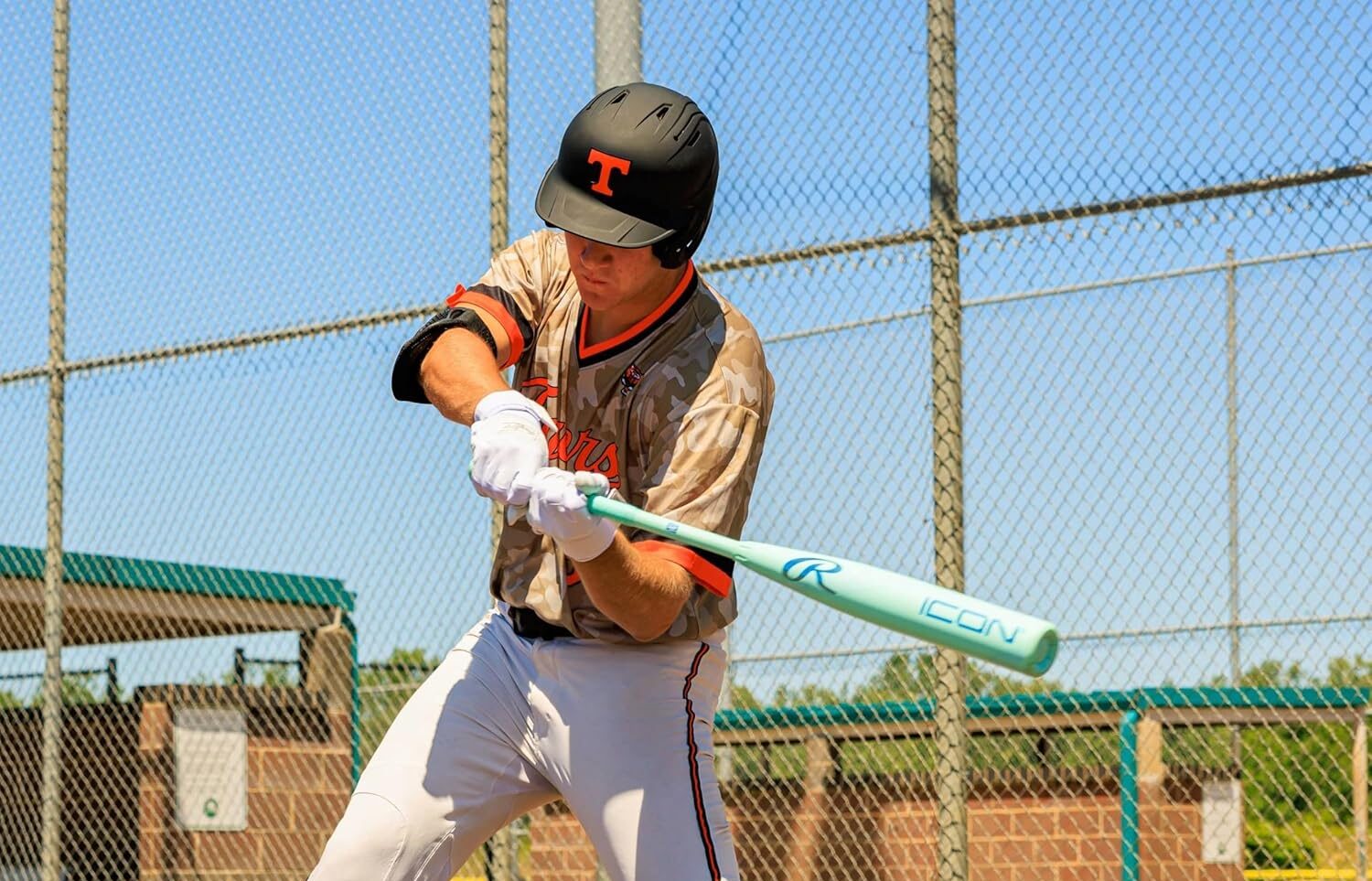
Buying a baseball bat sounds simple… until you’re staring at drop weights, barrel sizes, and league stamps wondering why this is harder than picking a phone.
To keep it real, I built a simple “bat test” routine I use anytime I’m helping a player (or a parent) narrow things down: I compare swing feel (balanced vs end-loaded), barrel forgiveness (sweet spot), vibration/comfort, build quality, and who the bat is actually legal for. I also double-check the exact model names and part numbers so the links match the bat you think you’re buying.
Below are the best bats from your list—with the correct product links and your affiliate tag added to each one.
Quick Buying Questions (Read This Before You Choose)
Ask yourself these before you spend money:
- What league stamp do you need?
USSSA, USA Baseball, or BBCOR are not interchangeable. Buying the wrong stamp is the #1 expensive mistake. - How strong is the hitter right now?
If bat speed is still developing, a balanced swing helps. Stronger hitters may like a slightly end-loaded feel. - What barrel size is allowed?
Travel ball USSSA often allows 2 3/4″ barrels. USA Baseball is usually 2 5/8″. - What drop weight should you buy?
“Drop” is length minus weight. Bigger drop (like -10) is lighter and easier to swing. BBCOR is always -3. - Do you want max pop, max control, or max durability?
Composite = feel and performance. Alloy = durability and usually cheaper. Wood/poly = training and toughness, but not always game-legal.
Bat Types and Who They’re For
| Bat Type | Typical Stamp | Who It’s For | What It Feels Like | Main Watch-Out |
|---|---|---|---|---|
| USSSA Composite | USSSA (often 2 3/4″) | Travel ball players | Big barrel, lively feel, usually comfortable | Not legal in USA/BBCOR leagues |
| BBCOR Composite | BBCOR (-3, 2 5/8″) | High school / college | Heavier, more controlled, “real” swing weight | Requires strength and good mechanics |
| USA Alloy | USA Baseball (often 2 5/8″) | Youth leagues that require USA | More traditional pop, durable | Less trampoline than USSSA |
| Wood Bat | Usually no stamp | Training, cages, casual games | Classic feel, feedback on contact | Can crack; sweet spot is smaller |
| Training / Specialty Polymer | Not typically game-stamped | Strength training, durability | Heavy and rugged | Often not legal for organized play |
Our Top Picks by Category
| Category | Top Pick |
|---|---|
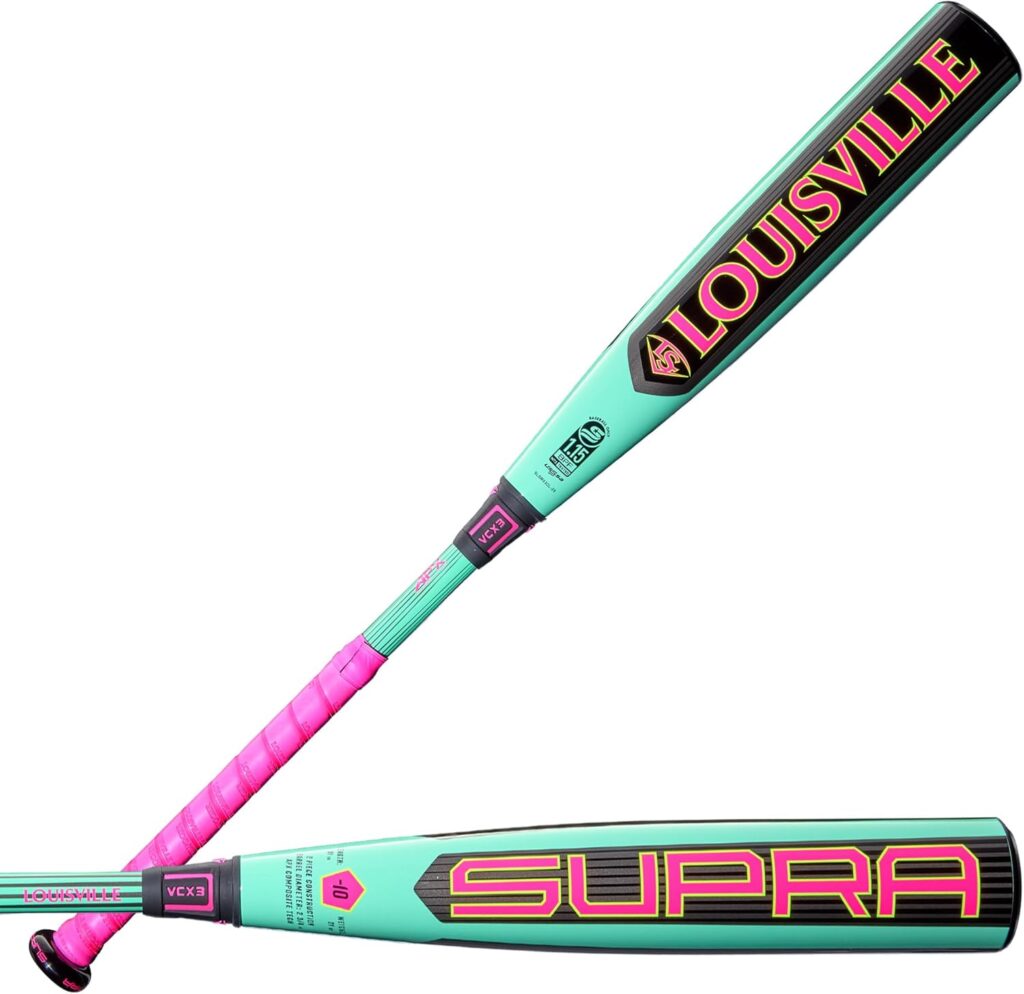
| Best USSSA Bat (Travel Ball) | Louisville Slugger 2026 Supra™ (-10) 2 ¾” USSSA Baseball Bat |
| Best BBCOR (High School/College) | Rawlings 2026 ICON Baseball Bat (BBCOR, -3, 2 5/8″) |
| Best USA Bat (Budget-Friendly Alloy) | Marucci F5 SL -10 USA, 2 5/8″ Barrel (27″/17 oz) |
| Best Budget Wood Bat | KOTIONOK Genuine Solid Beech Wood Baseball Bat (27″) |
| Most Durable “Beater” / Training Bat | Cold Steel Brooklyn Crusher (92BSS), 29 inch |
Detailed Reviews (Real-World Style Notes)
Louisville Slugger 2026 Supra™ USSSA Baseball Bat
Tested by: Maida-style checklist (swing feel, forgiveness, comfort, and league fit)
Best for: USSSA travel ball hitters who want a balanced composite with a huge barrel and a smooth feel.
Why We Like It
This Supra is the kind of bat that makes sense for a lot of travel ball players because it’s built to swing easy but still gives you that composite “jump” when you square it up. The 2 ¾” barrel gives you more margin for error, and the bat is designed around a balanced swing weight—so you’re not fighting the bat just to get it through the zone.
Pros
- Balanced swing weight feels quick and controllable
- Big 2 ¾” barrel helps on slightly off-center hits
- Composite build is comfortable, less sting than most alloys (especially in cooler weather)
Cons
- USSSA-only: wrong stamp for USA/BBCOR leagues
- Composite bats can take time to “open up” and feel their best
- Premium pricing compared to alloy options
Rawlings 2026 ICON Baseball Bat
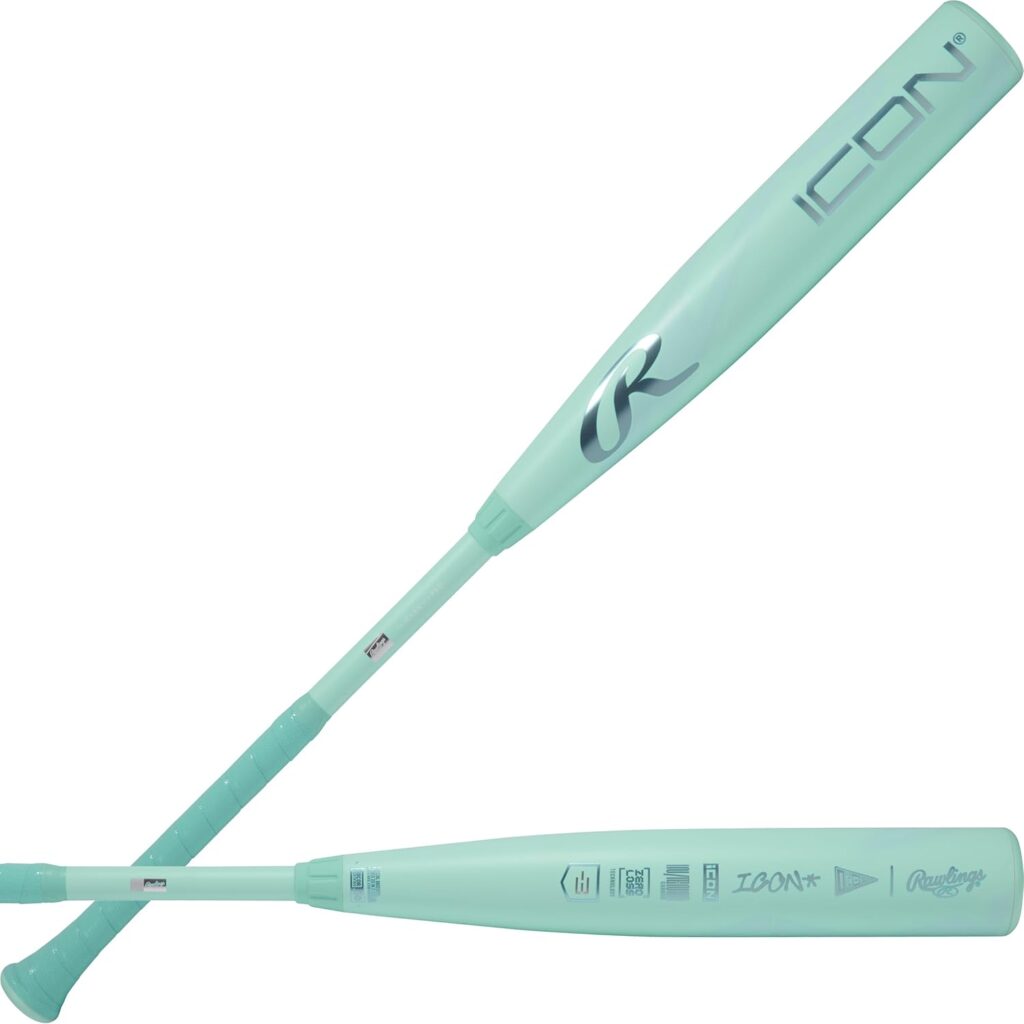
Best for: Stronger high school (and above) hitters who want a top-tier BBCOR bat with a clean, modern feel.
Why We Like It
BBCOR is where bats get honest fast—weight matters, and barrel performance is more about efficiency than trampoline. The 2026 Rawlings ICON is positioned as a flagship-level composite BBCOR with a tuned swing weight that aims for power without feeling like you’re dragging a log through the zone. It’s the kind of bat you buy when the hitter is ready for a serious -3 and wants a premium build.
Pros
- BBCOR -3 build for real game pitching and heavier balls
- Composite barrel feel is smooth for a BBCOR bat
- Premium construction and modern design/finish
Cons
- Not for younger or smaller players—BBCOR demands strength
- Expensive compared to alloy BBCOR bats
- If you’re a contact-first hitter, you may prefer something more balanced (depending on size)
Marucci F5 SL -10 USA
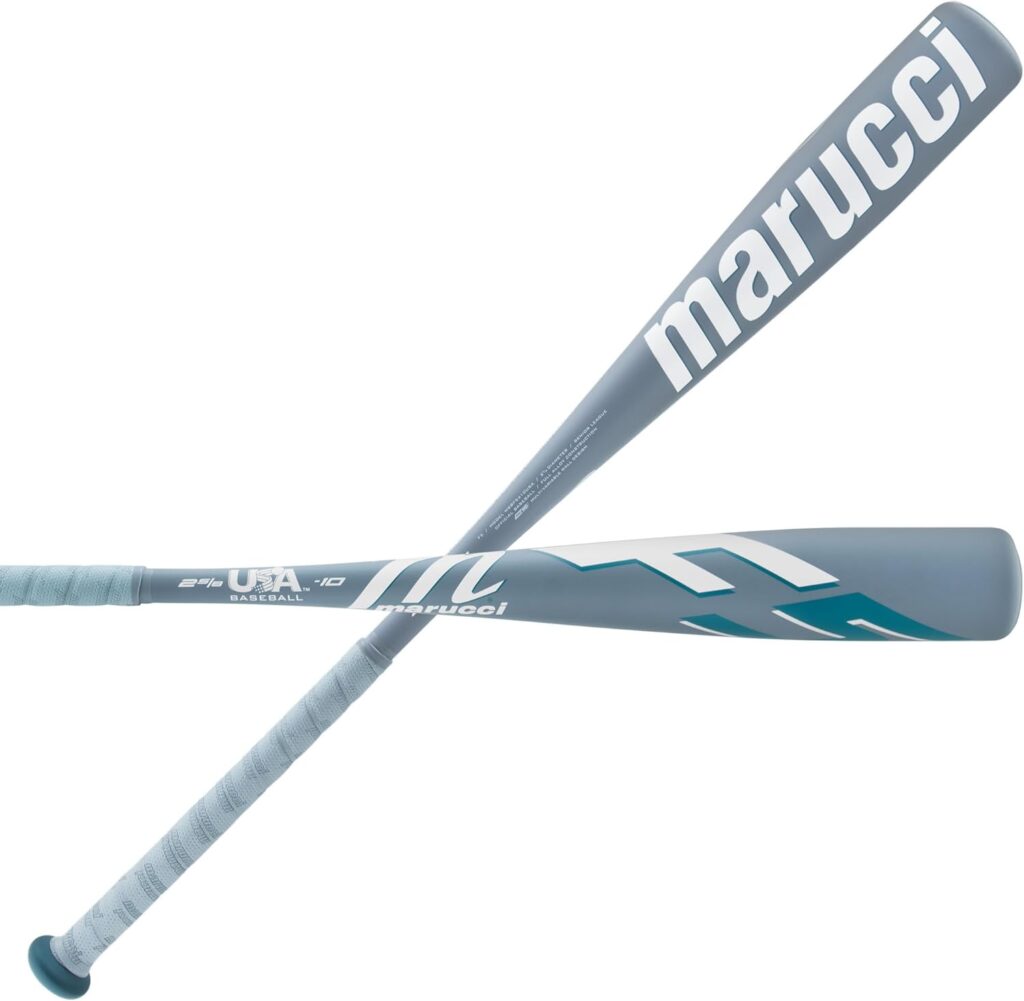
Best for: Players who need USA Baseball certification and want a dependable alloy bat that won’t wreck the budget.
Why We Like It
This is a practical pick: a USA-stamped -10 alloy bat with a 2 5/8″ barrel that fits a lot of youth league rules. Alloy bats like this are usually more consistent in cold weather than composite, and they’re often the “grab-and-go” choice for families who don’t want to baby a bat. Also, the size here (27″/17 oz) is a friendly starting point for a lot of younger hitters.
Pros
- USA bat standard: great for leagues that require USA
- Alloy durability: solid choice for practices, cages, and games
- Usually a strong value compared to composite models
Cons
- Less “pop” than top USSSA composites (that’s normal for USA rules)
- More sting on mishits than many composites
- Barrel forgiveness is good, but not “huge sweet spot” level
KOTIONOK Genuine Solid Beech Wood Baseball Bat
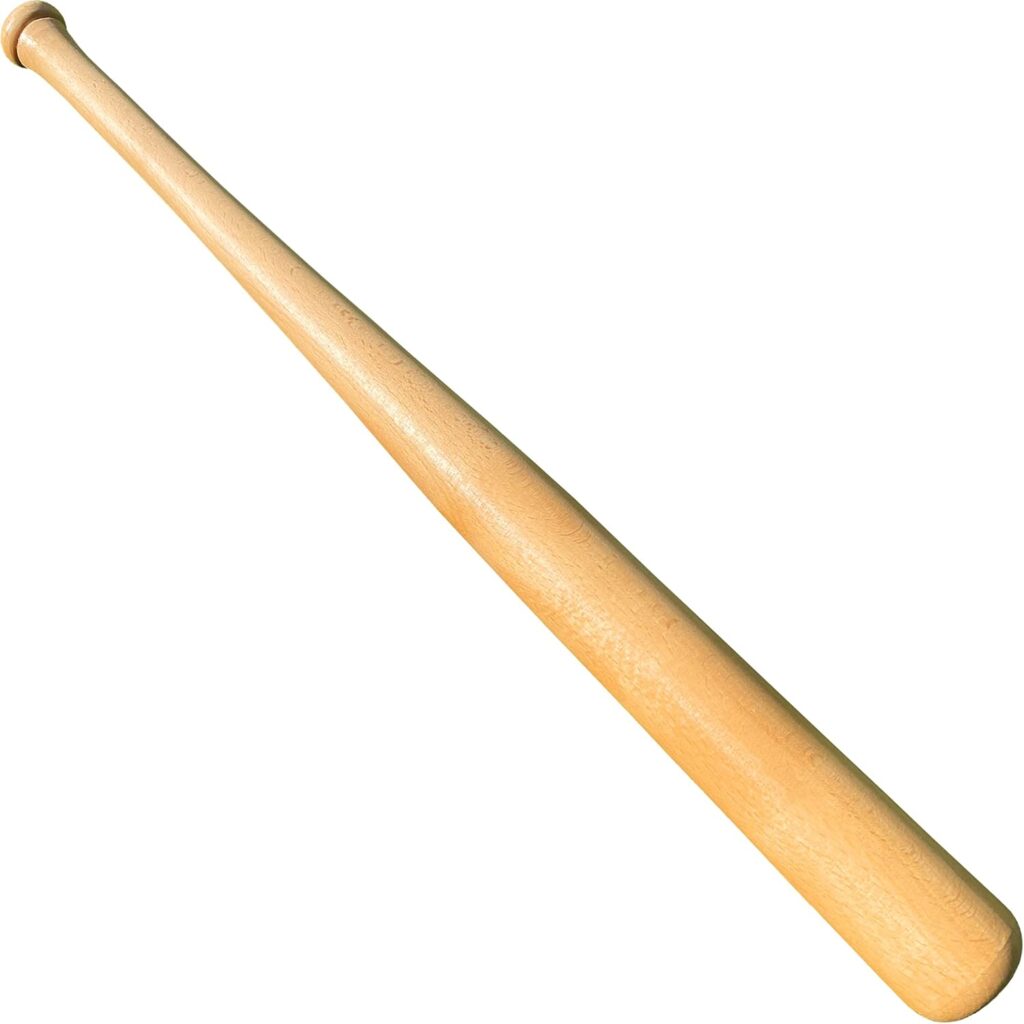
Best for: Budget buyers, backyard/cage work, and players who want old-school feedback to tighten up contact.
Why We Like It
A wood bat is the quickest way to learn what “barrel it up” actually means. You feel everything—good and bad. This KOTIONOK is a straightforward beech wood bat in a 27″ size, and it’s a solid budget option for casual hitting, training reps, and younger players who are still learning barrel control.
Pros
- Budget-friendly way to train barrel accuracy
- Classic wood feel teaches clean contact
- Simple, no-frills bat you won’t stress about
Cons
- Wood can crack over time (especially on mishits)
- Smaller sweet spot than big-barrel game bats
- Not the best pick for facing higher-level pitching in games
Cold Steel Brooklyn Crusher (92BSS), 29 inch
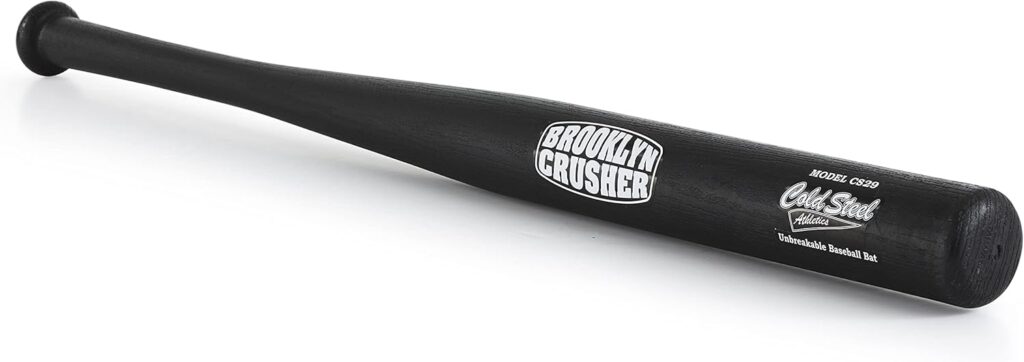
Best for: Durability-first buyers who want a rugged “beater” bat for training swings, strength work, or casual use where you don’t want to risk your game bat.
Why We Like It
This is a different animal. The Brooklyn Crusher is a polypropylene bat built to be extremely durable, and it’s noticeably heavier than typical youth bats. That makes it useful for controlled training swings (think warm-up mechanics work), and it’s also the kind of bat you can toss in a gear bag without worrying about dents or cracks. Just be real with yourself: this usually isn’t a league-legal game bat, so always check your rules before you show up with it.
Pros
- Extremely durable material that won’t dent like alloy
- Heavy feel can help with strength-focused training
- Low-maintenance: not sensitive to weather like wood/composite
Cons
- Often not legal for organized league games (check before buying)
- Heavier swing can hurt mechanics if you overdo it
- Not built for “max performance,” built for toughness
Other Things to Consider Before You Buy
League rules and stamp:
This comes first. USSSA, USA, and BBCOR are three different worlds. If your coach or league says “USA only,” don’t try to sneak in a USSSA bat—wasted money.
Bat drop and swing weight (not the same thing):
Drop is math (length minus weight). Swing weight is feel. Two -10 bats can feel totally different depending on balance and end-load.
Barrel diameter:
A 2 ¾” barrel can feel more forgiving, but only if it’s allowed.
Cold weather performance:
Alloy bats often feel more consistent in cold temps. Composite can feel dead when it’s really cold (and some bats shouldn’t be used below certain temps per manufacturer guidance).
Grip and vibration control:
If a hitter hates hand sting, look harder at composite options and better connection systems/grips.
Price vs. how fast your player grows:
If the kid is growing like crazy, buying the most expensive bat every season can be painful. Sometimes a mid-range alloy makes more sense for one year.
Frequently Asked Questions
1) What’s the real difference between USSSA, USA Baseball, and BBCOR bats?
They’re built for different rule sets and different levels of play.
- USSSA bats (often 2 ¾” barrels) are common in travel ball and are known for higher performance potential and bigger barrel profiles.
- USA Baseball bats are designed to perform more like traditional wood, and many local youth leagues require them.
- BBCOR bats are the standard for high school and college. They’re always -3 and usually feel heavier and more controlled.
If you buy the wrong stamp, you might not be allowed to use the bat in games—so always confirm your league requirement first.
2) Should I buy composite or alloy?
If comfort and feel matter most—and you can spend more—composite is usually the nicer experience (less sting, smoother feedback, often bigger sweet spots in USSSA).
If you want something durable, consistent, and usually cheaper, alloy is the practical choice—especially for lots of cage work, colder weather, or players who are rough on gear.
A lot of families do both: a primary game bat and a cheaper practice bat.
3) How do I choose the right length and weight (drop)?
Start with what the hitter can swing with control. If the bat is too heavy, mechanics break down—hands drop, swing gets long, and timing gets ugly.
A quick check: the hitter should be able to take repeated hard swings without their form falling apart. If the last 10 swings look worse than the first 10, the bat is likely too heavy.
- Younger hitters often do well with -10 (or lighter depending on age/size).
- BBCOR hitters must use -3, so the main choice becomes length and balance.
4) Is a bigger barrel always better?
Not always, but it can help. Bigger barrels (like 2 ¾”) can feel more forgiving and give hitters confidence—especially developing players who don’t barrel every pitch perfectly yet.
But legality matters: some leagues cap barrel size and/or require a specific stamp. Also, a bigger barrel doesn’t fix a bat that’s too heavy.
5) Can I use the Cold Steel Brooklyn Crusher for real baseball games?
Usually, no—not in organized leagues. It’s made from polypropylene and built for toughness, not for meeting common game-bat standards. Some casual settings might allow it, but most leagues care about certification stamps and approved bat materials. Treat it as a durable training or casual-use bat, and double-check rules before assuming it’s game-legal.
Conclusion
If you’re playing travel ball under USSSA and want a balanced, forgiving bat with a huge barrel, the Louisville Slugger 2026 Supra™ (-10) 2 ¾” USSSA Baseball Bat is the cleanest pick from this list. If you need a serious -3 for high school or college, the Rawlings 2026 ICON (BBCOR) is the premium option built for that level of play. For USA leagues where durability and value matter, the Marucci F5 SL -10 USA (27″/17 oz) is a smart mid-range buy. If you just want an affordable wood bat for training and casual swings, go with the KOTIONOK 27″ Beech Wood Bat. And if your priority is maximum toughness for practice or a “no-stress” beater bat, the Cold Steel Brooklyn Crusher (92BSS) 29 inch is the most durable option here—just don’t assume it’s league-legal.
Leave a Reply