
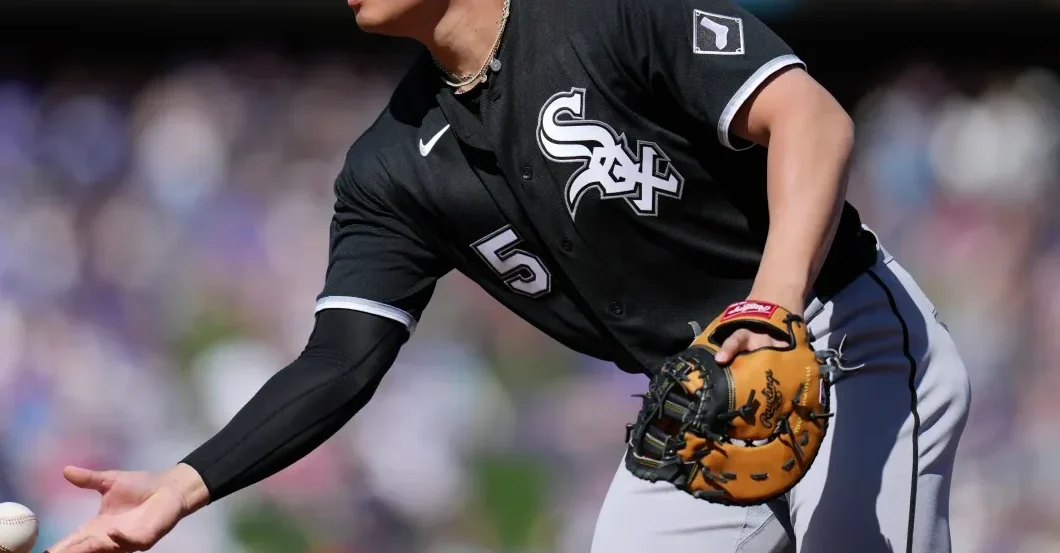
Shopping for a baseball glove sounds simple until you actually try to pick one. Sizes, webs, leather types, “game-ready” vs. “needs 50 catches,” and then you’ve got to match it to your position.
For this guide, I compared these three gloves the same way I’d do it if a teammate asked me what to buy: I verified, checked materials and build details, and judged each glove by the stuff that matters on the field—break-in time, pocket shape, stiffness, comfort, and who it fits best. If you’re trying to buy one glove that doesn’t annoy you every inning, this will save you time.
Before we jump in, here are the questions you should ask yourself.
Quick Buying Questions (So You Don’t Regret the Glove)
- What position do you play most?
Infielders usually want smaller gloves for quick transfers. Outfielders often want bigger gloves for reach and deep pockets. Utility players need balance. - How fast do you need it game-ready?
Some gloves are soft out of the box (great for beginners). Premium gloves often need real break-in time but feel better long-term. - Do you want “easy catch” or “control”?
A deeper pocket can make catching easier, but too much depth can slow transfers (especially infield). - What’s your hand size and comfort preference?
Wrist straps, lining feel, and finger stalls matter more than people think—especially if you play a lot. - What’s your real budget?
If you play often (or you’re serious about improvement), a better glove can be worth it. If you’re playing casually, you don’t need to overspend.
Baseball Glove Types (Quick Guide)
| Type | Typical Size | Best For | What It Feels Like |
|---|---|---|---|
| Infield glove | 11″–11.75″ | 2B/SS/3B | Shallow to medium pocket, quicker transfers |
| Outfield glove | 12″–13″ | LF/CF/RF | Deeper pocket, more reach, better for tracking fly balls |
| Utility glove | 11.5″–12.5″ | Multiple positions | Middle-ground size and pocket depth |
| First base mitt | 12″–13″+ (mitt) | 1B | Scoop-friendly shape, big target, different feel than a glove |
| Catcher’s mitt | 32″–34″+ (circumference) | Catcher | Heavy padding, designed for receiving velocity |
| Youth/beginner glove | 9″–11.5″ | Kids, new players | Softer, easier close, usually synthetic or softer leather |
Our Top Picks by Category
| Category | Top Pick | Why It Wins |
|---|---|---|
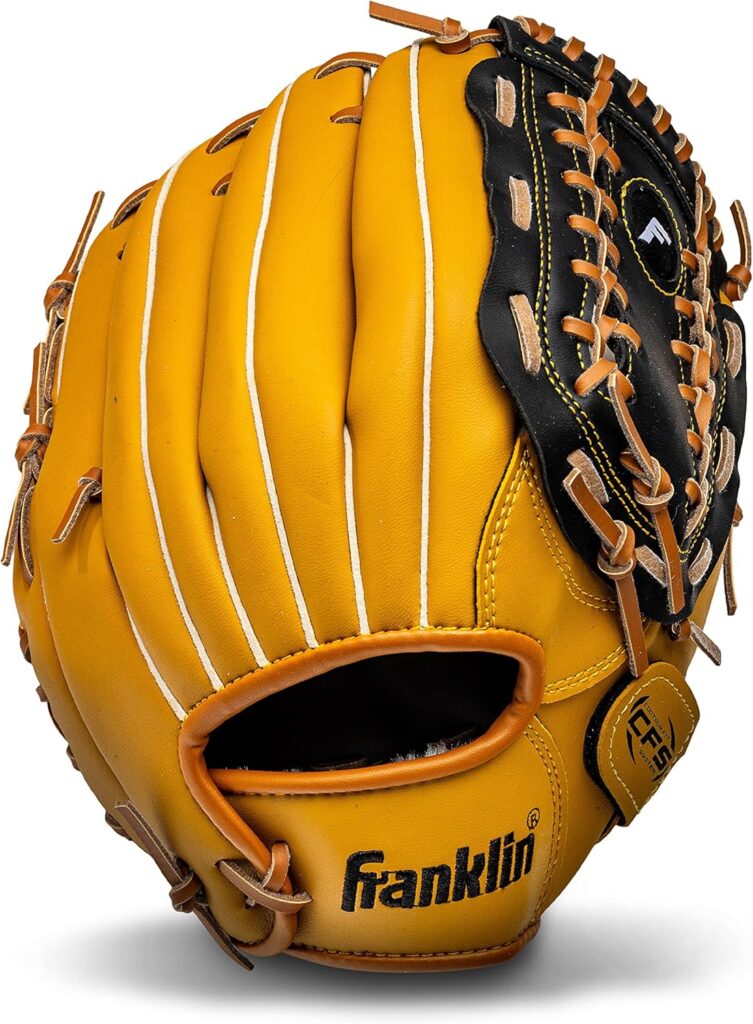
| Best Budget / Fast Break-In | Franklin Sports Field Master Baseball & Softball Glove (12″) – ASIN B013LPRKQ2 | Easy to close, quick break-in, friendly for casual players |
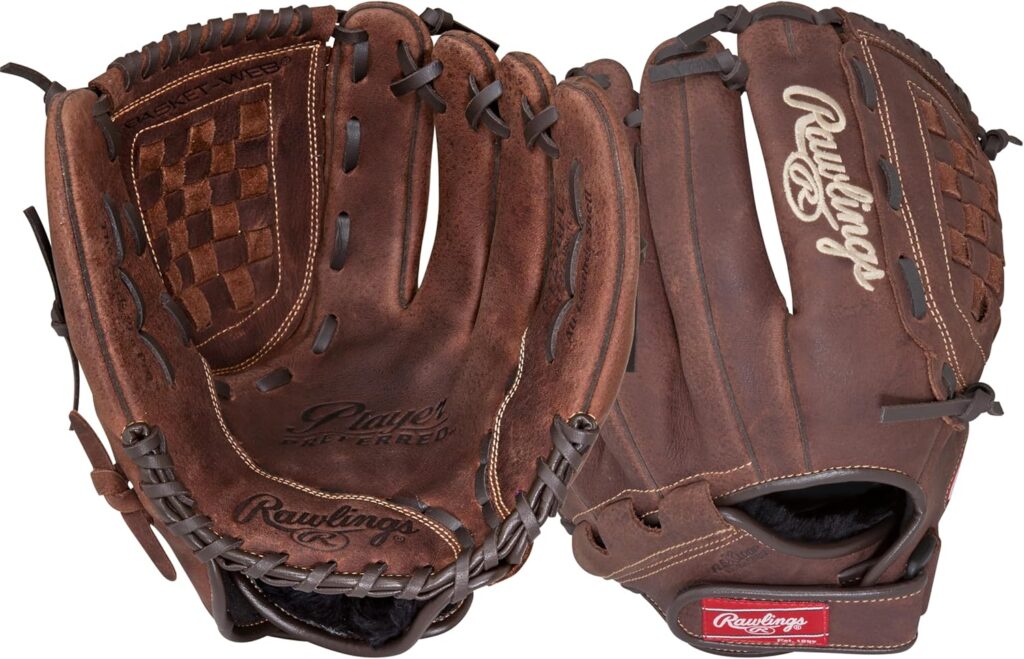
| Best Mid-Range Value | Rawlings Player Preferred Adult Ball Glove (Basket Web) – ASIN B01GX09WBI | Solid leather feel for the money, better structure than budget gloves |
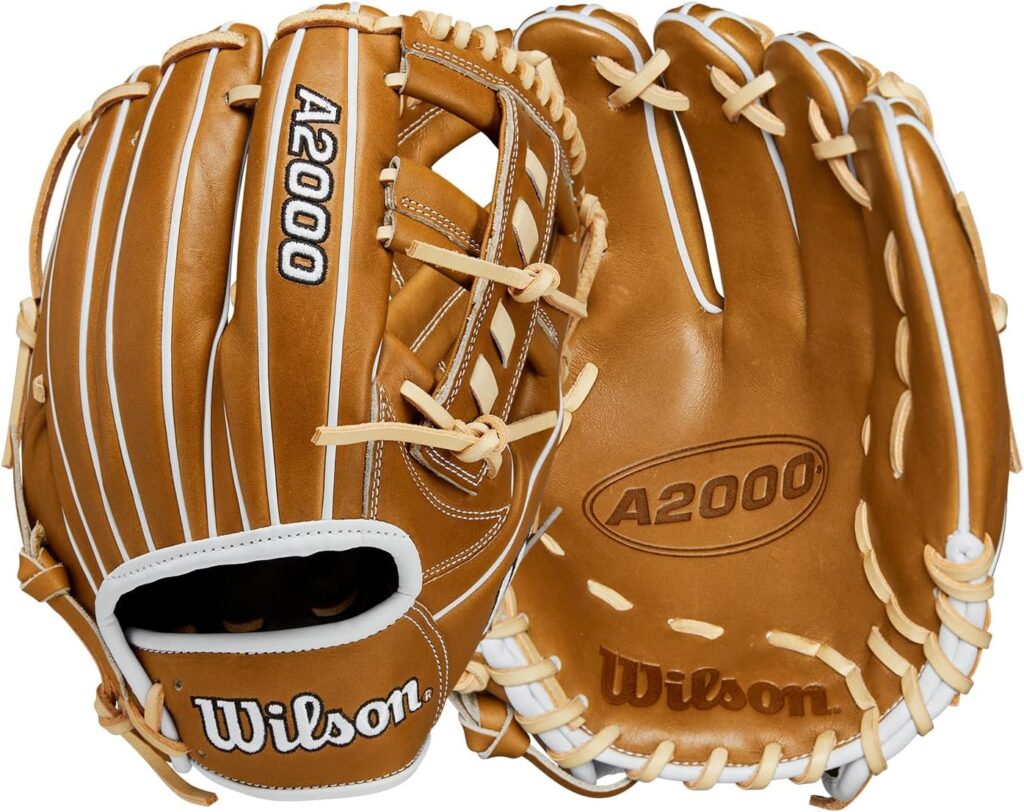
| Best Premium / Serious Infield | WILSON A2000 Infield Baseball Glove – ASIN B0CC6LK7RN | Pro-level build, holds shape, elite feel once broken in |
Detailed Hands-On Style Reviews
Franklin Sports Field Master Baseball & Softball Glove
Tested by: (Optional) My “beginner + weekend warrior” evaluation lens
Best for: New players, casual rec leagues, anyone who wants a glove that doesn’t fight them
Why We Like It
This is the glove I point to when someone says, “I don’t want to spend a lot, and I need it usable fast.” The Field Master line is known for being easy to close and quick to break in, which matters a lot if you’re not trying to wrestle stiff leather for two weeks. It’s a practical glove for learning fundamentals and getting reps without overthinking it.
Pros
- Quick break-in feel compared to stiffer leather gloves
- Comfortable for beginners (less “hand fatigue” from forcing it shut)
- Solid all-around size at 12″ for casual play and utility use
- Usually a strong value pick when you just need something reliable
Cons
- Won’t hold premium shape/structure as long as higher-end leather gloves
- Less “connected” ball feel compared to pro-level leather
- Not ideal if you’re a serious infielder who needs lightning transfers
WILSON A2000 Infield Baseball Glove – ASIN B0CC6LK7RN
Best for: Serious infielders, competitive players, anyone who wants a glove that lasts seasons
Why We Like It
The A2000 name is basically baseball-glove shorthand for “serious.” What you’re paying for here is structure, consistency, and long-term performance. A good A2000-style glove tends to keep its shape, give you a confident pocket, and feel more like an extension of your hand once it’s broken in.
This is the pick for the player who’s tired of gloves that go mushy or lose their pocket mid-season. If you take reps constantly—practice, games, cages—this kind of glove can make a real difference in how clean your transfers and catches feel.
Pros
- Premium build quality designed for high-frequency play
- Holds shape and pocket better over time than softer/budget gloves
- Great for infield control once you get it broken in to your hand
- Better long-term “feel” and performance ceiling
Cons
- Costs more (this is a premium category glove)
- Break-in can take real time and effort compared to softer options
- Overkill if you only play occasionally or just want “easy close” comfort
Rawlings Player Preferred Adult Ball Glove (Basket Web)
Best for: Players who want real-leather feel without paying premium prices, utility use, casual to steady rec play
Why We Like It
This is the “sweet spot” glove for a lot of people. The Player Preferred line typically gives you more authentic leather structure than a budget synthetic glove, without jumping into top-shelf pricing. The basket web is also a forgiving web style—nice if you play multiple spots or want something that doesn’t feel overly specialized.
It’s a good choice if you’re playing regularly and want a glove that feels like a step up, but you’re not trying to spend A2000 money.
Pros
- Strong mid-range value for players who want a more “real glove” feel
- Better structure than most entry-level synthetic options
- Basket web is versatile and forgiving for general play
- Good pick for someone leveling up from a starter glove
Cons
- Not as elite or long-lasting (shape/feel) as top-tier pro gloves
- May still require some break-in time depending on stiffness
- If you’re a competitive infielder, you might want a more specialized infield pattern
Other Things to Consider Before You Buy
Break-in time and effort
If you want “game-ready fast,” lean budget/soft. If you want the best long-term performance, accept that premium gloves usually need work.
Hand orientation (RHT vs. LHT)
This trips people up:
- Right-hand throw (RHT) means the glove is worn on the left hand.
- Left-hand throw (LHT) means the glove is worn on the right hand.
Size and position fit
A 12″ glove can work as a utility glove, but infielders who care about quick transfers usually prefer smaller patterns.
Web type
- Basket webs are flexible and versatile.
- H-web/I-web styles are common for infield control.
- Deeper webs and pockets help outfielders secure catches.
Comfort details you’ll notice later
Wrist strap fit, finger stall comfort, and lining feel matter more the longer you play. If your glove is annoying, you’ll think about it every inning.
Care and accessories
Glove conditioner and a ball/band for shaping can help a glove keep its pocket. Avoid cooking it with extreme heat—ruins leather fast.
Frequently Asked Questions
What glove size should I buy if I play multiple positions?
If you truly bounce around (infield one game, outfield the next), a utility size is usually the least frustrating choice. In real life, that means something like 11.75″–12.5″ depending on your comfort and your league’s speed of play.
- Closer to 11.75″–12″ if you still want quicker transfers and play infield often.
- Closer to 12.25″–12.5″ if you spend more time in the outfield and want extra reach and a deeper pocket.
From the three picks in this guide, the 12″ Franklin Field Master and the Rawlings Player Preferred are the more “play-anywhere” friendly options, while the Wilson A2000 Infield is the most position-focused for infield.
How do I choose between a budget glove and a premium glove?
Ask yourself two honest questions: How often do I play? and Do I care about long-term feel?
- If you play occasionally or you’re still learning, a budget glove can be perfect because it’s usually easier to close and less stressful to break in. That’s why the Franklin Sports Field Master (ASIN B013LPRKQ2) makes sense for many players.
- If you play weekly (or more) and want a glove that keeps its pocket and shape for seasons, premium gloves start to pay off. That’s the lane the WILSON A2000 Infield (ASIN B0CC6LK7RN) is built for.
- If you’re in the middle—play regularly but don’t want premium pricing—the Rawlings Player Preferred (ASIN B01GX09WBI) is usually the most sensible “step up.”
What’s the safest way to break in a glove without ruining it?
The safest approach is boring, but it works: play catch, do repeated pocket work, and shape it gradually.
A practical method:
- Start with light catch for 10–15 minutes at a time so the glove flexes naturally.
- Work the pocket by pressing a ball into the sweet spot (not the palm randomly).
- Close the glove the right way (thumb to fingers) and store it with a ball in the pocket if you want it to hold shape.
What to avoid: baking it, microwaving it, blasting it with extreme heat, or soaking it in oils. Heat and over-oiling can break down leather and padding, making the glove feel dead faster.
Is a basket web good for baseball, or is it more for softball?
Basket web can work for both. The real benefit is that it’s versatile and forgiving, which is why it’s common in “do-it-all” gloves. For players who don’t want a super specialized glove, a basket web is a safe choice. That’s one reason the Rawlings Player Preferred Basket Web (ASIN B01GX09WBI) fits a wide range of rec players.
If you’re a dedicated infielder chasing the fastest transfers, you’ll often see more I-web/H-web styles, but basket web is still totally playable—especially if comfort and versatility matter more than ultra-specialization.
How long should a glove last?
It depends on material quality and how often you play. As a realistic expectation:
- Budget/synthetic-leaning gloves can be great early on, but often lose structure faster if you play a lot.
- Mid-range leather gloves usually hold up well for regular rec play if you store them properly.
- Premium gloves are designed for heavy use and tend to keep their shape and pocket longer.
If you’re playing multiple times a week, the durability jump from mid-range to premium can be noticeable over a couple seasons.
Conclusion (Who Should Get What)
If you want the simplest, low-stress buy that’s easy to use quickly, go with the Franklin Sports Field Master Baseball & Softball Glove (12″) – ASIN B013LPRKQ2. If you want a solid step-up glove that feels more “real leather” without jumping to premium pricing, the Rawlings Player Preferred Adult Ball Glove (Basket Web) – ASIN B01GX09WBI is the best middle-ground value. And if you’re an infielder (or competitive player) who wants long-term structure, a confident pocket, and premium performance, the WILSON A2000 Infield Baseball Glove – ASIN B0CC6LK7RN is the top-tier pick in this set.

Leave a Reply