
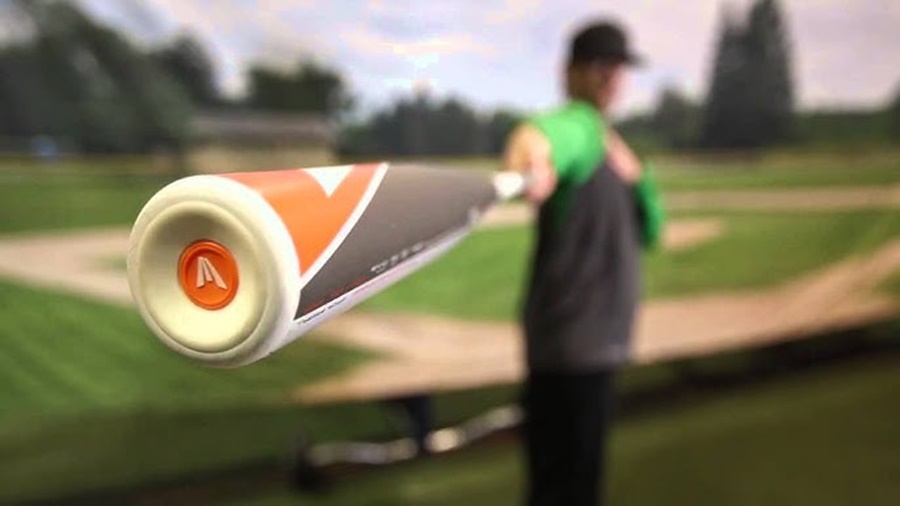
Choosing the right baseball bat is one of the most important first steps for any beginner. The right bat can make learning easier, improve confidence at the plate, and help prevent injury. With so many options available, it can feel overwhelming but once you understand the basics, the decision becomes much simpler. This guide walks you through everything a beginner needs to know.
Why the Right Bat Matters
A properly chosen bat helps beginners:
- Swing with better control and balance
- Make more consistent contact with the ball
- Develop correct hitting mechanics
- Avoid unnecessary strain on wrists, arms, and shoulders
Using a bat that’s too heavy or too long can slow progress and make the game less enjoyable.
Understand Bat Length
Bat length is usually measured in inches, from the knob to the end of the barrel.
How to choose length:
- Stand the bat upright next to you. If it reaches your hip, it’s generally a good length.
- Younger or smaller players typically need shorter bats.
- Beginners should prioritize control over reach.
General guideline:
- Youth players: 24–30 inches
- Teen beginners: 30–32 inches
- Adult beginners: 32–34 inches
Choose the Right Bat Weight
Bat weight affects swing speed and control.
Drop Weight Explained
Drop weight is the difference between the bat’s length (in inches) and weight (in ounces).
Example: A 30-inch bat that weighs 20 ounces has a drop weight of -10.
- Higher drop weight (e.g., -10, -12): Lighter bat, easier to swing (best for beginners)
- Lower drop weight (e.g., -3): Heavier bat, more power but harder to control
Beginner tip:
Start with a lighter bat to focus on technique and timing.
Pick the Right Bat Material
Aluminum / Alloy Bats
- Lightweight and durable
- Affordable
- Large sweet spot
- Great for beginners
Composite Bats
- Better vibration control
- Larger sweet spot
- More expensive
- Often require a break-in period
Wood Bats
- Traditional feel
- Smaller sweet spot
- Heavier
- Best for skill development later, not ideal for most beginners
Best choice for beginners: Aluminum or alloy bats.
Check League Rules
Before buying a bat, always check your league’s regulations. Many leagues have strict rules about:
- Bat length and weight
- Barrel diameter
- Bat certification (USA Baseball, USSSA, BBCOR)
Using a non-approved bat could make it unusable in games.
Grip and Comfort Matter
A good grip helps prevent slipping and reduces vibration.
- Look for bats with cushioned or tacky grips
- Make sure the handle feels comfortable in your hands
- Beginners should avoid very thin or very thick handles
You can always replace the grip later if needed.
Test the Bat Before Buying (If Possible)
If you can:
- Swing the bat a few times
- Check if it feels balanced
- Make sure you can control it without straining
A bat should feel natural not heavy or awkward.
Budget Considerations
Beginners don’t need the most expensive bat.
- Entry-level bats perform very well
- Focus on fit, weight, and comfort over brand name
- As skills improve, you can upgrade later
Common Mistakes to Avoid
- Choosing a bat that’s too heavy
- Buying based only on brand popularity
- Ignoring league rules
- Assuming more expensive means better for beginners
Conclusion
The right baseball bat can make learning the game more fun and rewarding. For beginners, the best bat is one that’s lightweight, well-balanced, comfortable to grip, and league-approved. Take time to consider size, weight, and material, and don’t be afraid to start simple. As skills grow, bat preferences will naturally evolve.

Leave a Reply