
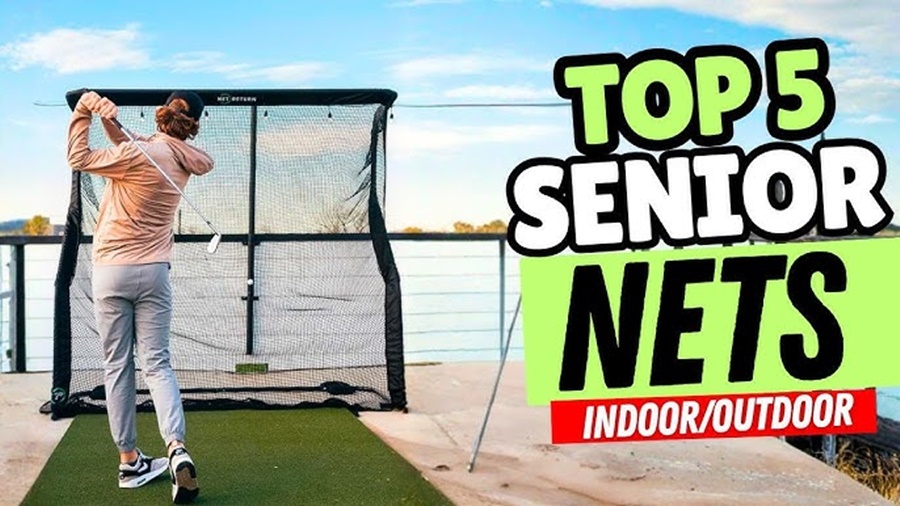
Golf practice nets have become one of the most popular tools for golfers who want to improve their swing without constantly visiting a driving range. Whether you are a beginner trying to develop consistency or an experienced golfer refining your technique, a hitting net allows you to practice conveniently.
However, golfers often face one important decision before buying: Should you choose an indoor golf hitting net or an outdoor golf hitting net?
Both options have advantages, limitations, and different use cases. This guide will explain everything you need to know about indoor vs outdoor golf hitting nets, including their benefits, drawbacks, setup requirements, and which one is best for your situation.
What Is a Golf Hitting Net?
A golf hitting net is a practice tool designed to safely stop golf balls when you hit them. It allows golfers to practice their swings, drives, chips, and iron shots in a controlled space such as a backyard, garage, or indoor room.
Most golf nets are made with:
- Durable nylon or polyester netting
- Steel or fiberglass frames
- Shock-absorbing target zones
- Portable or permanent setups
Golf nets are used by:
- Beginner golfers
- Amateur players
- Professional golfers
- Golf coaches and trainers
The biggest advantage is practice anytime without traveling to a golf course or range.
Indoor Golf Hitting Nets
What Is an Indoor Golf Hitting Net?
An indoor golf hitting net is designed specifically for use inside homes, garages, basements, or indoor golf studios. These nets are built to fit confined spaces and prioritize safety, portability, and compact design.
Indoor nets are typically used with:
- Practice mats
- Swing trainers
- Launch monitors
- Golf simulators
They are ideal for golfers who want to practice year-round regardless of weather.
Advantages of Indoor Golf Hitting Nets
1. Practice Anytime Regardless of Weather
One of the biggest advantages of indoor nets is weather independence. Rain, extreme heat, wind, or cold temperatures will not affect your practice.
This makes indoor nets perfect for golfers living in regions with:
- Long winters
- Heavy rain seasons
- Extreme summer heat
2. Convenient and Time-Saving
Indoor practice eliminates the need to travel to a golf range. You can practice for 10–15 minutes whenever you want, which helps build consistent training habits.
Many golfers improve faster simply because they practice more often.
3. Compact Design
Indoor nets are usually designed to fit smaller areas such as:
- Garages
- Basements
- Spare rooms
- Indoor sports rooms
They typically require 8–10 feet ceiling height and a small hitting space.
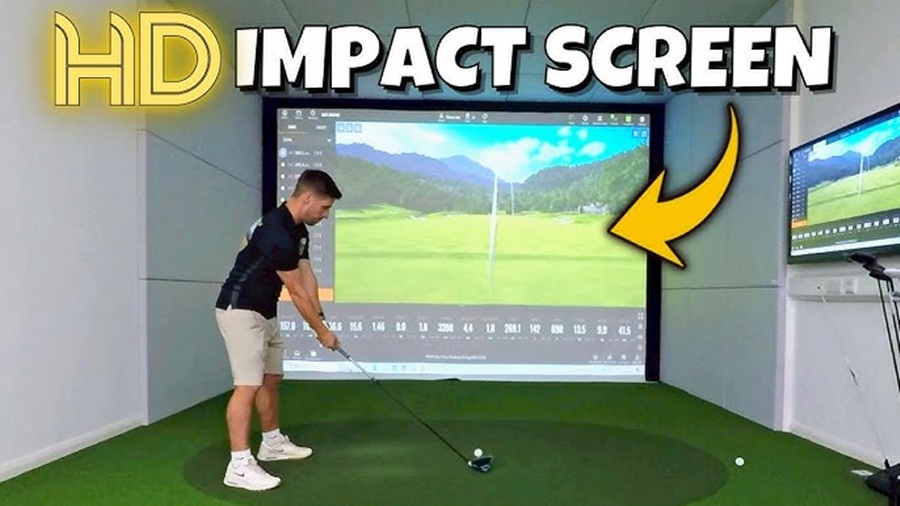
4. Compatible With Golf Simulators
Many indoor setups include:
- Launch monitors
- Swing analysis software
- Golf simulator screens
This allows golfers to see ball speed, launch angle, spin rate, and simulated ball flight, making practice more effective.
5. Privacy and Focus
Indoor practice allows golfers to focus on their technique without distractions from other players or range noise.
Disadvantages of Indoor Golf Hitting Nets
1. Limited Ball Flight Visibility
When hitting into an indoor net, you cannot see the real ball flight. You rely on feel or technology (launch monitors) to analyze shots.
2. Space Limitations
Not every home has enough room for a full golf swing. Ceiling height and room width can restrict:
- Driver practice
- Full swing drills
3. Potential Safety Risks
Indoor practice requires careful setup to avoid:
- Broken windows
- Wall damage
- Ceiling impact
Using high-quality nets and proper spacing is essential.
Outdoor Golf Hitting Nets
What Is an Outdoor Golf Hitting Net?
An outdoor golf hitting net is designed for backyards, gardens, patios, or open outdoor areas. These nets are typically larger, more durable, and built to handle weather exposure.
Outdoor nets allow golfers to practice in a more realistic environment with more swing space.
Advantages of Outdoor Golf Hitting Nets
1. More Swing Space
Outdoor practice areas usually provide more room for:
- Full driver swings
- Longer practice distances
- Multiple practice angles
Golfers often feel more comfortable swinging freely outdoors.
2. Realistic Practice Environment
Practicing outside feels closer to a real golf course environment. You experience:
- Natural lighting
- Open space
- Outdoor conditions
This helps simulate real playing situations.
3. Larger Net Sizes
Outdoor golf nets are often bigger and taller, making them better for powerful drives and reducing the chance of missed shots.
4. Multi-Player Practice
Outdoor nets allow friends or family members to practice together. This makes backyard practice more social and enjoyable.
5. Better for Full Swing Training
Because of the larger space, outdoor setups are ideal for:
- Driver training
- Distance control practice
- High-speed swings
Disadvantages of Outdoor Golf Hitting Nets
1. Weather Dependency
Outdoor practice can be affected by:
- Rain
- Wind
- Extreme heat
- Cold temperatures
Bad weather may interrupt your training routine.
2. Requires Outdoor Space
Not everyone has a backyard or open area large enough to install a golf net.
Outdoor setups usually require more space than indoor nets.
3. Durability Concerns
Outdoor nets must withstand:
- Sun exposure
- Moisture
- Strong winds
Lower-quality nets may wear out faster when used outside.
4. Setup and Storage
Some outdoor nets require assembly and disassembly after use, especially if they are portable.
Permanent nets may also require anchors or ground support.
Key Differences Between Indoor and Outdoor Golf Hitting Nets
| Feature | Indoor Golf Net | Outdoor Golf Net |
|---|---|---|
| Practice Location | Inside home, garage, basement | Backyard, garden, outdoor space |
| Weather Impact | Not affected | Affected by weather |
| Space Requirements | Smaller spaces | Larger open spaces |
| Net Size | Compact | Larger |
| Ball Flight Visibility | Limited | Slightly better feel outdoors |
| Setup | Usually portable | Portable or permanent |
| Best For | Year-round practice | Realistic swing practice |
Which Golf Hitting Net Should You Choose?
Choose an Indoor Golf Net If:
You should consider an indoor golf hitting net if:
- You want year-round practice
- You have a garage or basement space
- You plan to use a golf simulator or launch monitor
- Weather in your area frequently interrupts outdoor practice
Indoor nets are perfect for consistent daily training.
Choose an Outdoor Golf Net If:
An outdoor golf net is better if:
- You have a large backyard or open space
- You prefer full, unrestricted swings
- You want a more realistic practice environment
- Weather conditions allow outdoor training
Outdoor nets are ideal for power practice and group training.
Can You Use One Net for Both Indoor and Outdoor Practice?
Yes, some portable golf hitting nets are designed for both indoor and outdoor use. These nets are:
- Lightweight
- Easy to assemble
- Weather-resistant
- Foldable for storage
However, if you practice frequently, it is usually better to choose a net specifically designed for your main environment.
Conclusion
Both indoor and outdoor golf hitting nets are excellent tools for improving your golf game. The best option depends on your available space, weather conditions, and training preferences.
Indoor nets provide convenience, privacy, and year-round access, while outdoor nets offer more space and a realistic golf environment.
For many golfers, the ideal solution is using both setups when possible—an indoor net for daily practice and an outdoor net for full swing sessions.
No matter which option you choose, consistent practice with a golf hitting net can significantly improve swing mechanics, accuracy, and overall golf performance.
Leave a Reply