
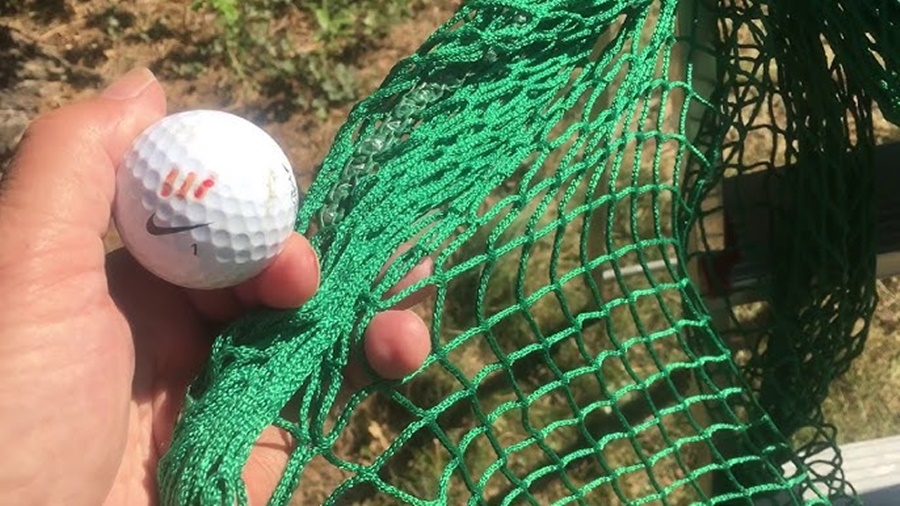
Golf practice nets have become increasingly popular among golfers who want to practice at home, in their backyard, or even indoors. Whether you’re a beginner trying to improve your swing or a serious golfer building a personal training space, choosing the right type of hitting net is crucial.
Two main types dominate the market: portable golf hitting nets and permanent golf nets. Each has unique advantages, limitations, and ideal use cases. This article provides a detailed comparison to help you decide which option best fits your needs.
Understanding Golf Hitting Nets
A golf hitting net is designed to capture golf balls after impact, allowing golfers to practice full swings without needing a driving range. These nets improve safety, convenience, and training efficiency by preventing balls from flying into surrounding areas.
Modern nets come in various sizes, materials, and structures. Some are lightweight and collapsible, while others are built as large steel-framed enclosures designed for long-term installation.
The two primary categories are:
- Portable golf hitting nets – collapsible, lightweight systems for temporary setups.
- Permanent golf nets – fixed structures installed in a dedicated practice space.
Portable Golf Hitting Nets
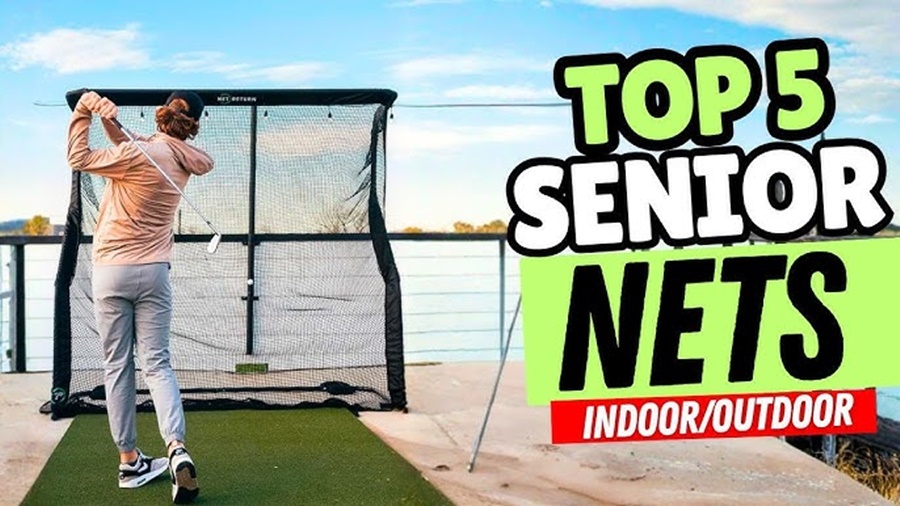
Portable golf nets are lightweight systems designed for quick setup, mobility, and storage. They usually use fiberglass, aluminum, or lightweight steel frames combined with mesh netting.
Key Features
Portable nets typically include:
- Foldable or collapsible frames
- Lightweight net materials
- Quick setup designs (often under 10 minutes)
- Carrying bags for transport
- Compact storage capability
Many models can be used both indoors and outdoors, making them versatile practice tools.
Advantages of Portable Golf Nets
1. Easy Setup and Portability
Portable nets are designed for convenience. Most can be assembled in minutes and taken down just as quickly, making them ideal for temporary practice sessions.
This portability allows golfers to practice in different locations such as:
- Backyard
- Garage
- Indoor training rooms
- Parks or open fields
2. Space Efficiency
Portable nets are typically smaller and require less space than permanent installations. Some models measure around 7 × 7 feet, making them suitable for tight indoor environments.
For golfers living in apartments or homes with limited space, this flexibility is extremely valuable.
3. Lower Cost
Portable nets are generally more affordable than permanent systems. They are often considered a budget-friendly option for home practice setups.
4. Easy Storage
After practice, portable nets can be folded and stored in a closet, garage, or equipment bag. This helps maintain a clean and organized living space.
5. Multi-Purpose Use
Some portable nets can be used for multiple sports such as:
- Baseball
- Soccer
- Cricket
- Golf
This makes them ideal for families or multi-sport athletes.
Disadvantages of Portable Golf Nets
1. Less Stability
Portable nets may struggle in strong winds or outdoor conditions unless properly anchored.
2. Limited Ball Containment
Many portable nets lack side netting or full enclosure protection, which can allow errant shots to escape the hitting area.
3. Durability Issues
Since they are designed for mobility, portable nets often use lighter materials that may wear out faster with heavy usage.
4. Smaller Practice Area
Portable nets usually provide a smaller hitting surface, which may feel restrictive for powerful drivers or beginners with inconsistent swings.
Permanent Golf Hitting Nets
Permanent golf nets are fixed installations designed for dedicated golf practice areas. They are commonly used in:
- Backyard golf ranges
- Indoor golf simulators
- Golf academies
- Commercial training facilities
These systems typically involve heavy-duty frames and high-strength netting.
Key Features
Permanent nets often include:
- Steel or heavy aluminum structures
- Large enclosed hitting cages
- Side and overhead net protection
- Ground anchors or concrete footings
- Integration with golf simulators
Because they are permanently installed, these nets offer a professional training environment.
Advantages of Permanent Golf Nets
1. Maximum Durability
Permanent nets use heavy-duty materials designed to withstand thousands of high-speed impacts.
This makes them suitable for serious golfers who practice frequently.
2. Superior Safety
Full enclosures capture nearly all mis-hit balls, reducing the risk of damage to property or injury to others.
This is especially important when practicing with drivers or high ball speeds.
3. Larger Practice Space
Permanent installations typically provide a larger hitting zone, allowing golfers to swing freely without worrying about missing the net.
4. Ideal for Golf Simulators
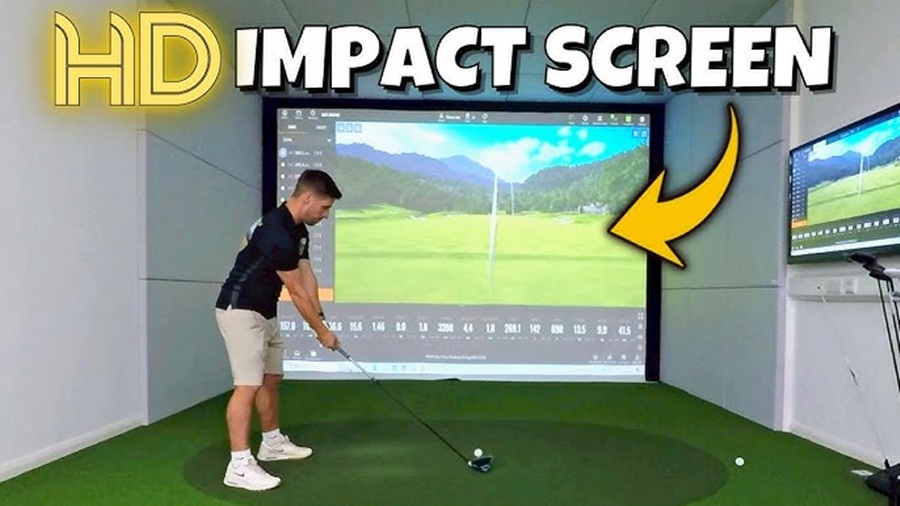
Permanent nets are commonly integrated into indoor golf simulator setups, providing immersive training environments.
5. Professional Appearance
A well-built permanent hitting area creates a professional training environment, similar to a driving range or golf academy.
Disadvantages of Permanent Golf Nets
1. High Cost
Permanent systems require significant investment due to:
- Structural frames
- Large netting systems
- Installation labor
2. Complex Installation
Many permanent nets require:
- Wall or ceiling mounting
- Ground anchors
- Professional installation
This process can take hours or even days.
3. No Portability
Once installed, permanent nets cannot be moved easily. If you relocate or redesign your space, the system may need to be dismantled or replaced.
4. Space Requirements
Permanent nets require a dedicated practice area with sufficient:
- Height
- Depth
- Width
This makes them unsuitable for small homes or shared spaces.
Portable vs Permanent Golf Nets: Key Differences
| Feature | Portable Net | Permanent Net |
|---|---|---|
| Setup Time | Very fast | Slow or professional installation |
| Portability | Highly portable | Fixed installation |
| Cost | Low to moderate | High |
| Durability | Moderate | Very high |
| Practice Area | Smaller | Larger |
| Safety | Limited side protection | Full enclosure protection |
| Ideal Users | Casual golfers | Serious golfers or academies |
Which Golf Net Should You Choose?
Choose a Portable Golf Net If:
- You want quick practice sessions at home
- You have limited space
- You need easy storage
- You are a casual or beginner golfer
- You want a budget-friendly option
Choose a Permanent Golf Net If:
- You practice frequently or professionally
- You have a dedicated practice area
- You want a golf simulator setup
- Safety and durability are top priorities
- You plan to build a long-term home golf range
Conclusion
Both portable and permanent golf hitting nets serve valuable roles in home golf practice. Portable nets offer flexibility, affordability, and convenience, making them ideal for casual players or limited spaces. Permanent nets, on the other hand, provide durability, safety, and a professional training environment suited for serious golfers.
Ultimately, the best choice depends on your practice frequency, available space, budget, and long-term goals.
A casual golfer practicing occasionally may find a portable net perfectly sufficient, while a dedicated player investing in a home simulator or backyard range will benefit more from a permanent installation.
Leave a Reply