

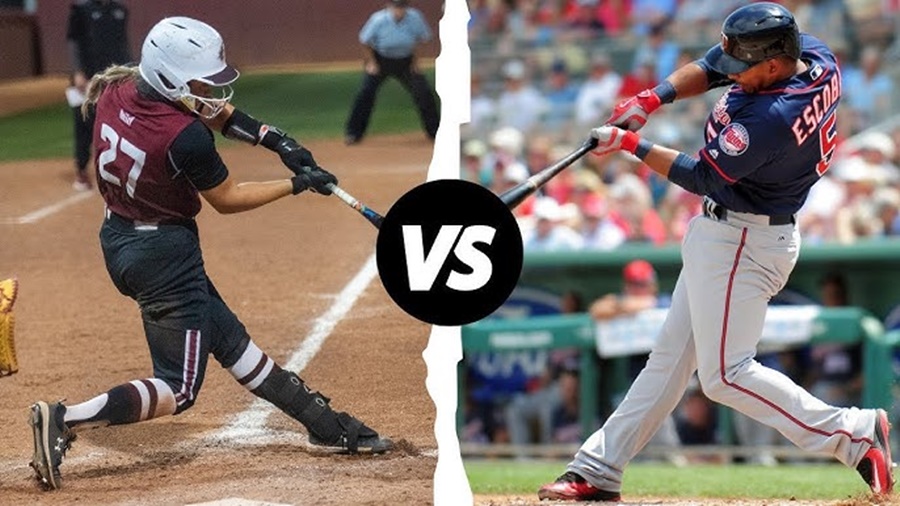
Softball and baseball may look similar at first glance. Both involve pitching, hitting, fielding, and running bases. However, the fields they are played on have several important differences that affect gameplay, strategy, and overall experience. From field dimensions to pitching distance, understanding these differences helps players, coaches, and fans appreciate each sport more clearly.
Below is a complete breakdown of how a softball field differs from a baseball field.
1. Field Size and Overall Dimensions
Baseball Field
A baseball field is generally larger than a softball field. While dimensions can vary slightly depending on league level (youth, high school, college, professional), the standard measurements for professional baseball are:
- Base paths: 90 feet between bases
- Pitching distance: 60 feet, 6 inches
- Outfield fence: Typically 300–400+ feet from home plate
The larger field allows for longer throws, deeper hits, and more running distance between bases.
Softball Field
Softball fields are more compact. Measurements differ slightly between fastpitch and slowpitch, but standard fastpitch softball dimensions are:
- Base paths: 60 feet between bases
- Pitching distance: 43 feet (women’s fastpitch), shorter in youth leagues
- Outfield fence: Typically 190–250 feet
Because of the shorter distances, the game moves faster with quicker plays and reactions.
2. Base Path Distance
One of the most noticeable differences is the distance between bases.
- Baseball: 90 feet
- Softball: 60 feet
This shorter distance in softball means:
- Less time to throw runners out
- Faster infield action
- More emphasis on quick reflexes
In baseball, the longer base paths give runners more opportunity to steal bases and stretch hits.
3. Pitching Distance and Style
Pitching Distance
- Baseball: 60 feet, 6 inches
- Softball: About 43 feet (fastpitch)
Although softball’s pitching distance is shorter, reaction time is comparable due to pitching mechanics.
Pitching Style
Baseball:
- Overhand or sidearm pitching
- Thrown from an elevated mound
- High spin rates and varied pitch types
Softball:
- Underhand windmill motion
- Thrown from a flat pitching circle (not a raised mound)
- Fastpitch softball can exceed 65–70 mph, which is extremely fast at the shorter distance
Because of the shorter distance and release mechanics, hitters in softball often have equal or less reaction time than baseball hitters.
4. Pitching Mound vs Pitching Circle
Baseball
- Elevated pitching mound (10 inches above home plate at professional level)
- Sloped design affects pitch movement and velocity
Softball
- Flat surface
- Pitcher stands inside an 8-foot radius circle
The elevated mound in baseball helps generate downward pitch movement, while softball pitchers rely on spin and deception.
5. Ball Size and Composition
Another key difference is the ball itself.
Baseball
- Circumference: About 9 inches
- Smaller and denser
- Hard leather covering
Softball
- Circumference: About 11–12 inches
- Larger and slightly softer
- Bright yellow color (in most leagues)
The larger softball is generally easier to see and field but does not travel as far as a baseball when hit.
6. Outfield Fence Distance
Because baseball fields are larger:
- Baseball home runs often travel 300–400+ feet
- Softball home runs usually range 190–250 feet
The smaller softball field means:
- Less ground to cover in the outfield
- Faster defensive plays
- More emphasis on line drives and placement hitting
In baseball, the expansive outfield allows for more extra-base hits and longer defensive chases.
7. Infield Layout
Both sports use a diamond-shaped infield, but scale changes everything.
Baseball Infield
- Larger spacing
- Double plays require longer throws
- More time between fielding and tagging runners
Softball Infield
- Compact design
- Extremely quick plays
- Faster double-play attempts
Because runners are closer to bases in softball, fielders must react quickly.
8. Field Surface
Both sports can be played on:
- Natural grass
- Artificial turf
- Dirt infield with grass outfield
However, softball fields are often designed with more compact infields due to smaller dimensions.
9. Game Speed and Strategy Differences
The field size directly affects strategy.
Baseball Strategy
- Power hitting plays a major role
- Pitching duels are common
- Stolen bases require careful timing
- More room for defensive shifts
Softball Strategy
- Bunting and slap hitting are common
- Quick base stealing attempts
- Faster reaction plays
- High emphasis on speed and agility
Because of the shorter field, softball often feels faster-paced with more rapid transitions between plays.
10. Foul Territory
Baseball stadiums (especially professional parks) often have:
- Larger foul territories
- More space for pop-up catches
Softball fields generally have:
- Smaller foul areas
- Less room for extended foul play
11. Safety and Player Spacing
Due to reduced distances in softball:
- Players stand closer together
- Reaction time is critical
- Protective equipment (like face masks for infielders) is more common in softball
In baseball, the larger field provides slightly more spacing between players.
Summary Table
| Feature | Baseball Field | Softball Field |
|---|---|---|
| Base Distance | 90 feet | 60 feet |
| Pitching Distance | 60 ft 6 in | ~43 feet |
| Pitching Style | Overhand | Underhand (windmill) |
| Mound | Elevated | Flat circle |
| Ball Size | 9 inches | 11–12 inches |
| Outfield Fence | 300–400+ ft | 190–250 ft |
| Game Pace | Strategic, power-based | Fast, quick-reaction |
Conclusion
While softball and baseball share common roots and similar rules, their fields are designed differently to suit each sport’s style of play. Baseball emphasizes distance, power, and longer strategic plays, while softball focuses on speed, rapid reaction, and compact field dynamics.
Understanding these field differences helps explain why the two games feel distinct even though they share the same basic objective: score more runs than the opposing team.
Whether you prefer the expansive layout of baseball or the fast-paced intensity of softball, each sport offers its own unique excitement and competitive challenge.

Leave a Reply