

When choosing the right glove for the field, many players and parents ask the same question: What’s the difference between a softball glove and a baseball glove? While they may look similar at first glance, these gloves are designed with important distinctions that directly affect performance, comfort, and control.
In this comprehensive guide, we’ll break down the key differences between softball and baseball gloves, including size, pocket depth, webbing, fit, and position-specific variations.
1. Ball Size: The Core Difference
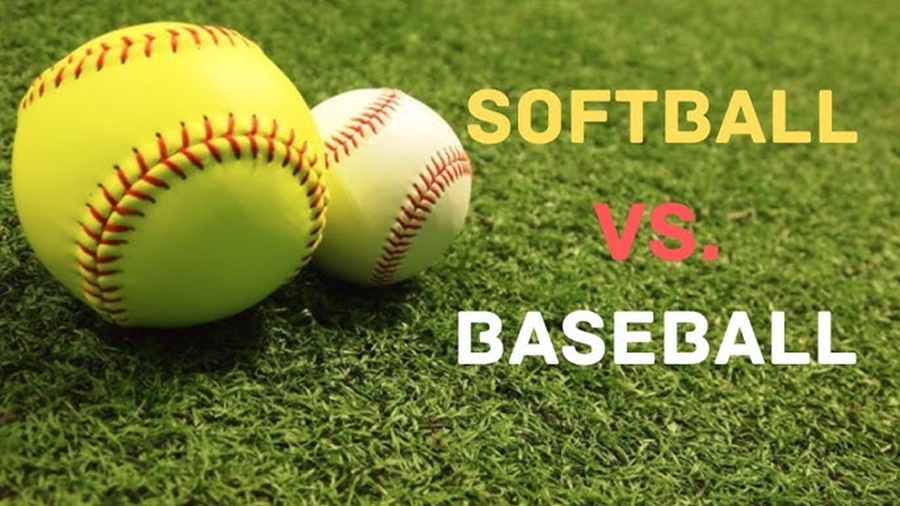
The most fundamental difference between softball and baseball gloves comes down to the size of the ball.
- Baseball: Approximately 9 to 9.25 inches in circumference
- Softball: Approximately 11.88 to 12 inches in circumference
Because a softball is significantly larger than a baseball, gloves designed for softball must accommodate that extra size.
This difference directly influences:
- Glove length
- Pocket depth
- Overall glove shape
2. Glove Size and Length
Baseball Gloves
- Typically range from 9 to 12.75 inches
- Infield gloves: 11–12 inches
- Outfield gloves: 12–12.75 inches
- First base mitts: 12–13 inches
Softball Gloves
- Usually range from 11.5 to 15 inches
- Infield gloves: 11.5–12.5 inches
- Outfield gloves: 13–15 inches
- First base mitts: 12–14 inches
Why the difference?
Softball gloves are generally longer to help players catch and control the larger ball more securely.
3. Pocket Depth
One of the most noticeable differences is the pocket depth.
Baseball Gloves
- Shallower pocket
- Designed for quick ball transfers
- Ideal for fast plays and double plays in baseball
Softball Gloves
- Deeper pocket
- Helps secure the larger softball
- Especially useful in slow-pitch softball
A deeper pocket reduces the chance of the ball popping out during impact, which is crucial in softball due to the ball’s size and weight.
4. Webbing Styles
Both sports offer various webbing styles, but they’re often selected differently based on gameplay.
Common Web Types:
- Closed web (basket or trapeze)
- Open web (I-web, H-web)
- Modified trapeze
- Single-post web
Baseball
- Infielders often use I-web or H-web for quick ball visibility and transfers.
- Pitchers prefer closed webbing to hide grip.
- Outfielders use longer gloves with stronger web support.
Softball
- Outfielders often use larger H-web or trapeze web designs.
- Infielders may still use open webbing but with deeper pockets.
- Slow-pitch players commonly use larger, closed-web gloves for maximum control.
The key difference isn’t always the web style itself — it’s how large and deep the glove is overall.
5. Fit and Hand Stall Size
Another important factor is hand fit.
Baseball Gloves
- Typically designed for smaller hands (especially youth models)
- Snug fit for better control and faster transfers
Softball Gloves
- Often have slightly wider hand stalls
- Designed to accommodate fastpitch players who may wear batting gloves underneath
Many fastpitch softball gloves are specifically engineered to fit female athletes’ hands more comfortably, offering narrower finger stalls and adjusted wrist openings.
6. Position-Specific Differences
Both sports use position-specific gloves, but their dimensions differ.
Infield Gloves
- Baseball: Smaller, shallow pocket, quick release
- Softball: Slightly larger, deeper pocket for ball security
Outfield Gloves
- Baseball: 12–12.75 inches
- Softball: 13–15 inches for extended reach
Catcher’s Mitts
- Baseball: Smaller pocket, designed for higher pitch speeds
- Softball: Larger circumference to catch the bigger ball
First Base Mitts
- Softball mitts are generally longer and deeper than baseball mitts.
7. Can You Use a Baseball Glove for Softball?
Technically, yes — but it’s not ideal.
Using a baseball glove in softball may cause:
- Difficulty securing the ball
- Increased chance of drops
- Reduced pocket space
On the other hand, using a softball glove for baseball can feel bulky and slow down ball transfers, particularly for infielders.
For competitive play, it’s always best to use the glove designed specifically for your sport.
8. Fastpitch vs Slow-Pitch Softball Gloves
Within softball itself, glove styles can vary:
Fastpitch Gloves
- Slightly smaller than slow-pitch gloves
- Designed for quicker reaction plays
- Often tailored for female athletes’ hand sizes
Slow-Pitch Gloves
- Larger (often 13–15 inches)
- Very deep pockets
- Focused on catching high-arcing hits
9. Material and Break-In
Both softball and baseball gloves come in similar materials:
- Full-grain leather (premium durability)
- Steerhide
- Synthetic materials (lighter and more affordable)
However, larger softball gloves may take longer to break in due to increased leather surface area.
10. Quick Comparison Chart
| Feature | Baseball Glove | Softball Glove |
|---|---|---|
| Ball Size | Smaller (9–9.25”) | Larger (11.88–12”) |
| Glove Length | 9–12.75” | 11.5–15” |
| Pocket Depth | Shallower | Deeper |
| Ball Control | Quick transfers | Maximum security |
| Outfield Size | Up to 12.75” | Up to 15” |
| First Base Mitt | Smaller | Larger |
Conclusion
Choosing between a softball glove and a baseball glove ultimately comes down to understanding the demands of the game you play. While they may look similar, each glove is specifically designed to match the size of the ball, the pace of play, and the positional requirements of the sport.
Softball gloves are typically larger with deeper pockets to securely handle the bigger ball, while baseball gloves are smaller with shallower pockets to allow for quicker transfers and faster defensive plays. These design differences directly impact performance, comfort, and control on the field.
Using the proper glove not only improves consistency and confidence but also helps prevent missed catches and unnecessary errors. Whether you’re playing competitively or recreationally, investing in the right glove for your sport ensures you’re equipped to perform at your best every inning.

Leave a Reply