
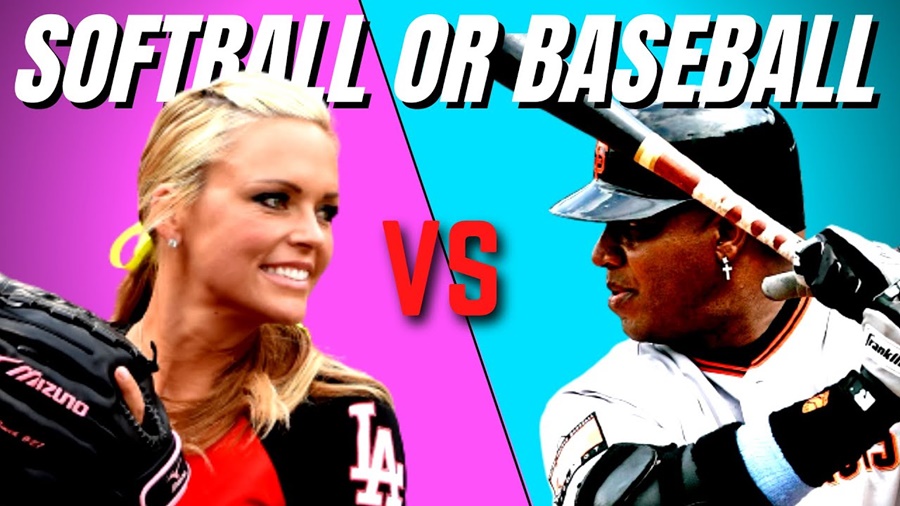
Choosing between a softball league and a baseball league can feel tougher than it seems. Both sports share similar roots, equipment, and objectives but the experience on the field can be very different. Whether you’re looking to stay active, compete seriously, or just have fun with friends, understanding the differences will help you decide which league fits your lifestyle, skill level, and goals.
Let’s break it down.
1. Game Basics: What’s the Difference?
While softball and baseball are closely related, there are several key distinctions:
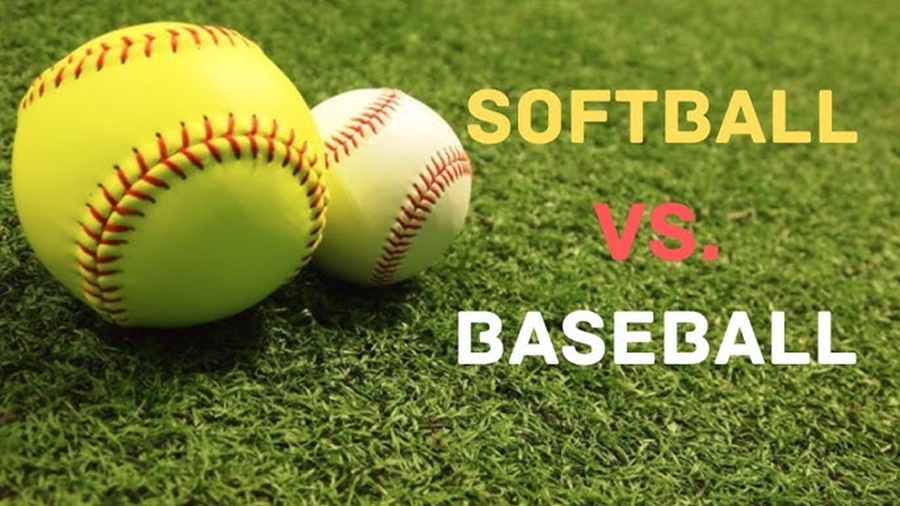
Ball Size and Field Dimensions
- Softball uses a larger, softer ball.
- Baseball uses a smaller, harder ball.
Softball fields are also smaller. The distance between bases in softball is typically 60 feet, while baseball bases are 90 feet apart (in standard adult leagues). The pitching distance is shorter in softball as well.
Pitching Style
- Softball: Underhand pitching.
- Baseball: Overhand or sidearm pitching.
This single difference significantly changes the pace and feel of the game.
Game Length
- Softball games are typically 7 innings.
- Baseball games are usually 9 innings (though recreational leagues may vary).
If you prefer slightly shorter games, softball may suit you better.
2. Skill Level and Accessibility
Softball Leagues: More Beginner-Friendly
Softball leagues—especially recreational or co-ed leagues—are often designed to be inclusive and social. The larger ball is easier to hit and catch, making it more beginner-friendly.
Many adults who haven’t played since school find softball a comfortable re-entry point into team sports.
Baseball Leagues: More Competitive Structure
Baseball leagues often attract players with more formal training or long-term experience. The smaller ball, longer throwing distances, and faster overhand pitching require refined technique and conditioning.
If you grew up playing competitive baseball and want a structured, traditional experience, a baseball league might feel more natural.
3. Physical Demands
Softball
- Shorter base paths mean quicker bursts of speed.
- Less throwing distance can reduce strain on the arm.
- Often considered slightly lower impact (though still physically demanding).
Baseball
- Longer throws require stronger arms.
- More emphasis on endurance over nine innings.
- Higher pitch velocities can demand sharper reaction time.
If you’re looking for moderate intensity with less strain on your shoulder, softball might be the better option. If you enjoy high-speed competition and technical precision, baseball could be your fit.
4. Social vs Competitive Environment
This is often the biggest deciding factor.
Softball Leagues
Many adult softball leagues focus on:
- Social interaction
- Team bonding
- Post-game gatherings
- Co-ed participation
They’re popular among workplace teams, friend groups, and community organizations.
Baseball Leagues
Adult baseball leagues often:
- Maintain formal rules and structures
- Emphasize competitive play
- Attract former high school or college athletes
- Have stricter roster and substitution rules
If you want a relaxed, fun atmosphere, softball usually wins. If you’re craving serious competition, baseball may be your better match.
5. Time Commitment
Softball leagues often:
- Have shorter seasons
- Play once or twice a week
- Require minimal practice
Baseball leagues:
- May have longer seasons
- Often include practices
- Demand more skill maintenance
If your schedule is tight due to work or family, softball may offer more flexibility.
6. Age and Longevity
Softball tends to attract a wider adult age range because it’s slightly less taxing on the body. Many players continue well into their 40s, 50s, and beyond.
Baseball players can certainly do the same but the physical strain, especially on pitchers, can be higher.
7. Equipment and Cost
Both sports require:
- Glove
- Cleats
- Bat
- Uniform
However:
- Baseball equipment can be more specialized (e.g., wood bats in certain leagues).
- Baseball gloves and bats may cost more depending on league rules.
Softball leagues often allow shared equipment and are generally slightly less expensive overall.
8. Your Personality Matters
Ask yourself:
- Do you enjoy a social, relaxed environment?
- Are you returning to sports after a long break?
- Do you prefer slightly shorter games?
→ Softball might be ideal.
Or:
- Do you miss the traditional baseball experience?
- Do you thrive in competitive, structured environments?
- Do you enjoy technical challenges?
→ Baseball could be your best fit.
Conclusion
Choosing between a softball league and a baseball league ultimately comes down to your personal goals, experience, and lifestyle. If you’re looking for a more relaxed, social atmosphere with a slightly lower physical demand, softball may be the perfect fit. On the other hand, if you crave traditional gameplay, higher intensity, and a more competitive structure, baseball might better match your passion and skill set.
Both leagues offer valuable benefits improved fitness, teamwork, discipline, and the pure enjoyment of the game. There’s no universally “better” option only the one that aligns best with what you want out of your athletic experience.
Whichever path you choose, the most important thing is getting out on the field, staying active, and enjoying the camaraderie that makes both sports so rewarding.
Leave a Reply