
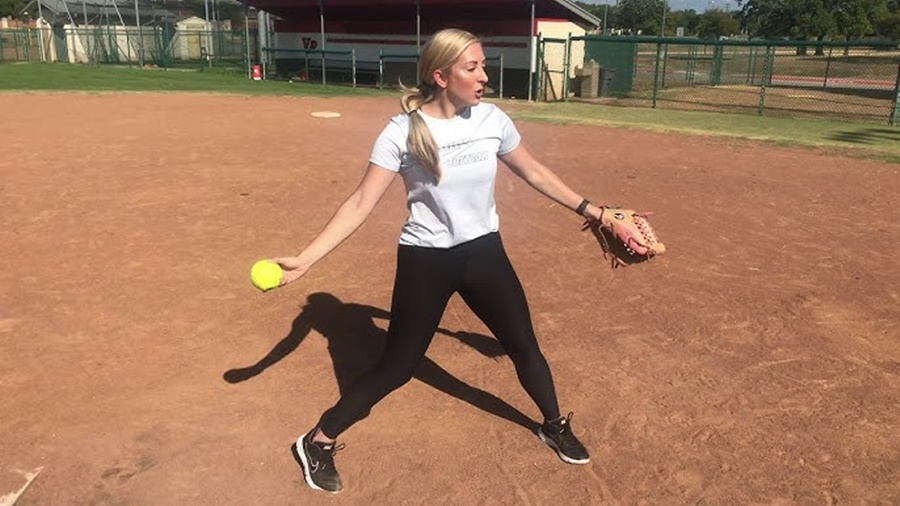
Pitching is the heartbeat of both softball and baseball. While the two sports share many similarities bats, gloves, bases, and innings—the way pitchers deliver the ball is dramatically different. From arm motion and field size to strategy and injury risk, understanding these differences helps players, coaches, and fans better appreciate each game.
This guide breaks down everything you need to know about softball pitching vs. baseball pitching.
1. The Fundamental Difference: Underhand vs. Overhand
The most obvious contrast lies in the pitching motion.
Softball Pitching (Underhand Windmill)
In softball, pitchers use an underhand windmill motion. The arm makes a full circular rotation, releasing the ball at hip level. This style is most common in fastpitch softball.
- The ball is delivered from below the hip.
- Pitchers typically throw from a flat pitching circle.
- The motion emphasizes wrist snap and arm speed.
In fastpitch, the most recognized form is governed by organizations like USA Softball.
Baseball Pitching (Overhand/Three-Quarter)
Baseball pitchers throw overhand or sidearm from a raised mound. The ball is released above the shoulder.
- The motion relies heavily on shoulder rotation.
- The pitcher pushes off a mound for added velocity.
- Mechanics focus on hip-to-shoulder separation.
Professional baseball in the U.S. is led by Major League Baseball.
Key Takeaway: Softball uses an underhand circular motion; baseball uses an overhand or sidearm throwing motion.
2. Distance to Home Plate
Distance significantly affects reaction time and pitch perception.
- Softball (Fastpitch): 43 feet (women’s standard)
- Baseball (MLB): 60 feet, 6 inches
Even though softball’s distance is shorter, the reaction time for hitters is similar to baseball because elite softball pitchers release the ball closer to the plate during their stride.
This shorter distance makes softball pitches appear extremely fast to batters.
3. The Pitching Surface
Softball
- Flat pitching circle
- No raised mound
- Emphasis on forward stride and explosive leg drive
Baseball
- Raised mound (10 inches high in MLB)
- Downhill angle toward the plate
- Pitchers use slope to generate velocity and movement
The mound gives baseball pitchers a mechanical advantage that softball pitchers do not have.
4. Pitch Types and Movement
Both sports feature a variety of pitches, but the mechanics behind them differ.
Common Softball Pitches
- Fastball (four-seam, two-seam)
- Rise ball
- Drop ball
- Curveball
- Screwball
- Changeup
Softball pitchers rely heavily on spin generated by wrist snap. The rise ball, in particular, is unique because it creates the illusion of rising due to backspin and the hitter’s swing plane.
Common Baseball Pitches
- Four-seam fastball
- Two-seam fastball
- Slider
- Curveball
- Changeup
- Cutter
- Splitter
Baseball pitchers manipulate grip and arm angle to create horizontal and vertical movement.
Important Difference: Softball spin is created primarily by wrist action in an underhand release, while baseball movement comes from finger pressure, arm slot, and seam orientation.
5. Game Strategy and Usage
Softball Pitchers
In fastpitch softball, elite pitchers often throw complete games—and sometimes multiple games in a single day during tournaments.
Because the underhand motion is considered more natural and less stressful on the shoulder, pitchers can handle a heavier workload.
For example, college softball under NCAA frequently features dominant pitchers who throw the majority of innings for their teams.
Baseball Pitchers
Baseball pitchers usually work in rotations (starting pitchers) or bullpen roles (relievers, closers).
Due to the stress of overhand throwing:
- Pitch counts are strictly monitored.
- Starters rarely pitch every game.
- Recovery time is longer.
In MLB, a five-man rotation is standard.
Key Difference: Softball pitchers often carry more of the game’s workload; baseball pitchers are more specialized.
6. Injury Risk and Arm Stress
The overhand baseball motion places significant stress on:
- The elbow (UCL ligament)
- The shoulder (rotator cuff)
This is why injuries like UCL tears are common in baseball.
Softball’s underhand motion is generally considered more natural, but it is not injury-proof. Softball pitchers can experience:
- Shoulder impingement
- Biceps tendon strain
- Lower back stress
While injury patterns differ, both require strength training and proper mechanics.
7. Ball Size and Grip
Another key difference is the ball itself.
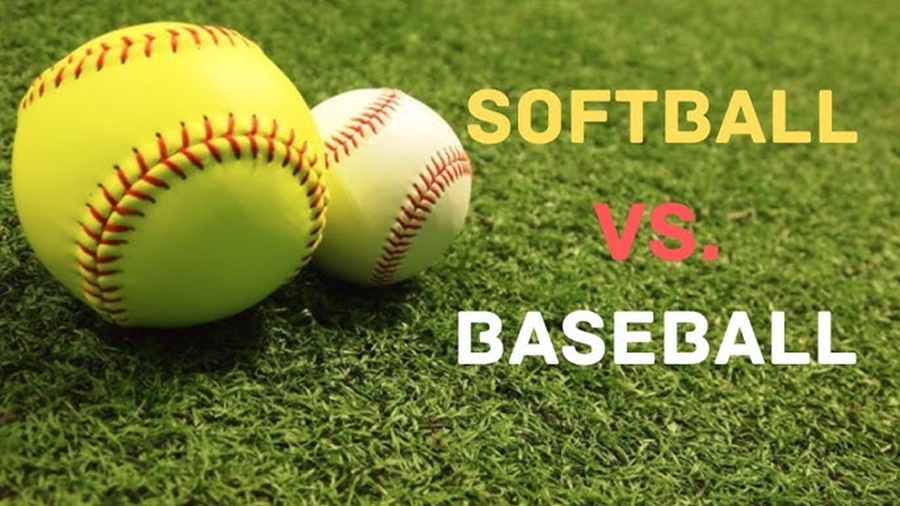
- Softball: Larger (typically 12 inches in circumference)
- Baseball: Smaller (9 inches in circumference)
The larger softball changes grip dynamics and spin generation. It also affects pitch velocity and perceived speed.
8. Velocity Comparison
Baseball pitches are generally faster in raw miles per hour.
- MLB fastballs often range from 90–100+ mph.
- Elite softball fastballs typically range from 65–75 mph.
However, because of the shorter distance in softball, the reaction time for hitters is comparable to facing a 90+ mph baseball pitch.
9. Cultural and Competitive Differences
Baseball and softball also differ in competitive structure.
- Baseball has a long-established professional system under Major League Baseball.
- Softball has strong collegiate and international play, including Olympic competition governed internationally by the World Baseball Softball Confederation.
While baseball dominates professional revenue, softball often showcases more pitcher-dominated games at the amateur and collegiate levels.
10. Which Is Harder?
This question sparks endless debate.
- Baseball pitching demands high velocity and precision over longer distances.
- Softball pitching requires extreme spin control, stamina, and the ability to deceive hitters at shorter reaction times.
They are different skills requiring different mechanics. Comparing them directly is like comparing a sprinter to a marathon runner—each excels in its own environment.
Conclusion
Softball pitching and baseball pitching may look similar at first glance, but they are mechanically, strategically, and physically distinct.
- Softball: underhand windmill, shorter distance, high spin emphasis, heavier workloads.
- Baseball: overhand delivery, raised mound, velocity-focused, specialized roles.
Both demand elite athleticism, mental toughness, and technical mastery. Whether you prefer the explosive power of baseball or the spin-driven artistry of softball, pitching remains one of the most fascinating elements in either sport.
Leave a Reply