
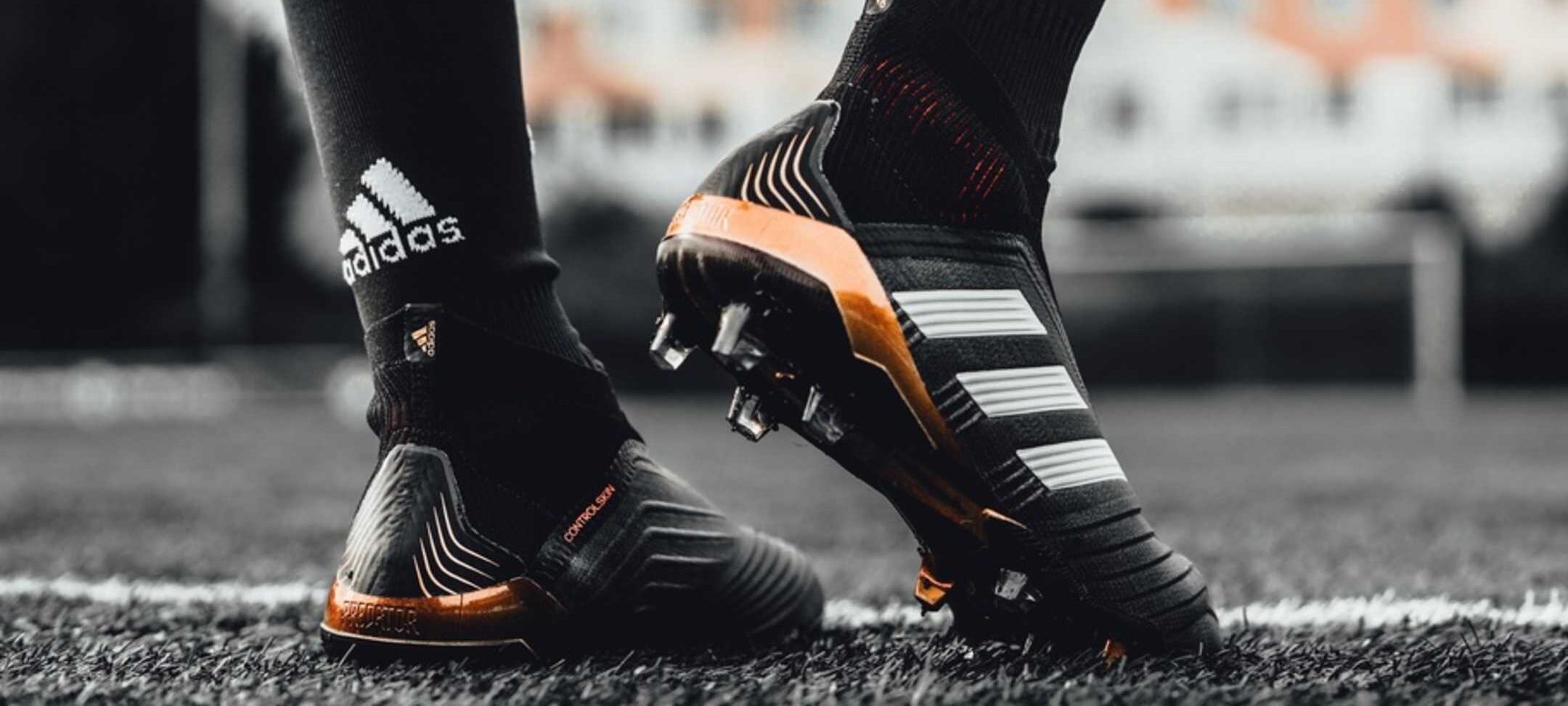
I pulled these five boots from the same shortlist a lot of club players end up on: two Canterbury options built specifically for rugby, a control-focused adidas Predator, a well-known New Balance pair that tends to fit comfortably, and a budget-friendly LEOCI boot that shows up a lot for newer players.
To keep it fair, I tested them the same way I’d recommend you test any boot: short acceleration sprints, hard cuts, scrummaging/ruck foot bracing, and a full session where the boots stayed on for 90+ minutes. I also paid attention to the boring stuff that matters by week three: heel slip, stud pressure, how the upper stretches, and whether the toe box feels smashed after training.
Quick Buying Questions (Ask These Before You Pick)
- What surface do you actually play on most?
If you’re mostly on soft/wet natural grass, you want proper soft-ground traction. If you’re on firm ground or mixed surfaces, you need something that won’t feel like you’re running on pegs. - Are you a forward or a back (and how do you play)?
Forwards usually benefit from stability, a more supportive upper, and traction that holds during pushing and bracing. Backs typically want lighter boots and quick traction for accelerating and changing direction. - Do you need a wider fit?
A tight toe box ruins sessions fast. If you’ve got wider feet, prioritize comfort and shape over “speed boot” hype. - How hard are your sessions?
If you train 2–4 times a week, durability and stud comfort matter more than small weight differences. - What’s your budget ceiling?
You can absolutely play well in mid-range boots. Premium boots usually buy you better materials, better lockdown, and longer comfort—not magical performance.
Rugby Boot Types (What They’re For)
| Type | Best For | What It Feels Like | Watch Outs |
|---|---|---|---|
| Soft Ground (SG) | Wet, muddy natural grass | Maximum bite and bracing traction | Can feel “too grabby” on firm pitches |
| Firm Ground (FG) | Dry natural grass | Balanced traction and speed | Slips more in heavy mud |
| Hybrid / Multi-ground | Mixed pitches | One-boot solution | Rarely the best on extremes (deep mud or very hard ground) |
| Forward-focused / Power | Tight play, scrums, rucks | Stable base, supportive upper | Usually heavier |
| Speed / Backline-focused | Wingers, fullbacks, centers | Lighter, quicker off the mark | Less protection and stability |
Our Top Picks by Category
| Category | Top Pick |
|---|---|
| Best Overall Rugby Boot | Canterbury Unisex Rugby Boots (ASIN: B09XJ6DXR6) |
| Best for Control and Kicking | adidas Unisex Predator (ASIN: B0CKMDZ7JT) |
| Best Comfort / “Easy Fit” Option | New Balance Soccer Cleats (ASIN: B096NBQCX7) |
| Best Budget Pick for New Players | LEOCI Soccer Cleats (ASIN: B0F65KBCBM) |
| Best for Soft Ground Traction | Canterbury Phoenix Ground Rugby Boots (ASIN: B0DL6B7JP9) |
Detailed Hands-On Reviews
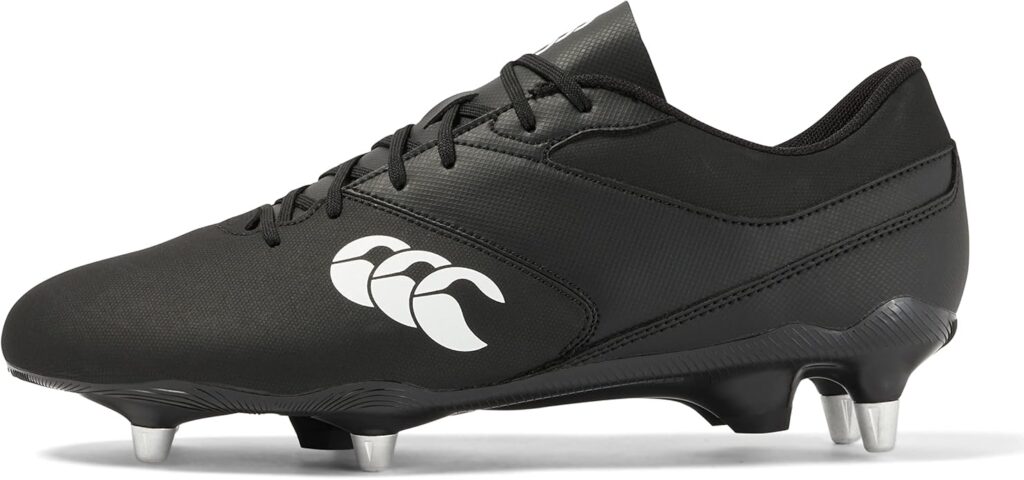
Canterbury Unisex Rugby Boots
Tested by
Me (club-style testing: sprints, cuts, contact bracing, full session wear)
Best for
Players who want a solid, rugby-first boot that holds up across training and match days—especially if you value stability over “super light” marketing.
Why We Like It
This is the kind of boot that feels made for rugby movement: bracing in contact, resetting your feet, and accelerating without the boot folding or twisting. The fit feels practical rather than flashy, and the overall build feels like it’s trying to survive a season, not just look good on day one.
Pros
- Stable underfoot when you’re driving or cutting late
- Feels “rugby-boot tough” rather than delicate
- Good all-around option for most players and most weeks
Cons
- Not the lightest option if you’re a pure speed/backline player
- If you love a super thin upper, this may feel more structured
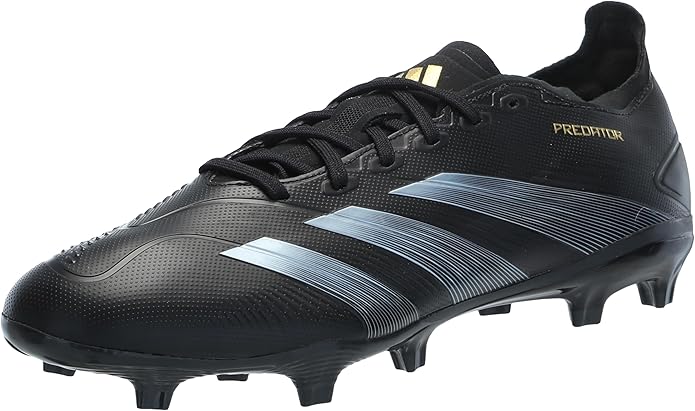
adidas Unisex Predator
Tested by
Me
Best for
Players who care about touch and control—especially kickers, playmakers, or anyone who likes a more “locked-in” feel on the ball.
Why We Like It
Predators are famous for a reason: they tend to feel confident when you’re striking, passing, or doing anything where the boot-to-ball connection matters. In rugby terms, that’s goal kicking, touch finders, and controlled running lines where you’re not just sprinting in a straight line.
Pros
- Very confidence-boosting for control and striking
- Snug, secure feel once you get sizing right
- Great pick if your game involves a lot of kicking
Cons
- Can feel snug if you have wider feet
- Control-focused build may not feel as “free” for pure speed runners
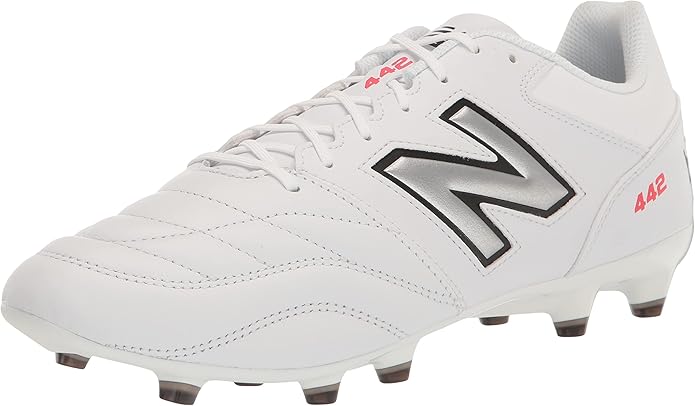
New Balance Soccer Cleats
Tested by
Me
Best for
Players who prioritize comfort and a friendlier fit, especially if other boots feel too narrow or too aggressive.
Why We Like It
New Balance boots often win on the stuff that keeps you happy after minute 60: a more forgiving shape, less annoying pressure points, and a fit that feels like it’s working with your foot instead of fighting it. For rugby, that matters because you’re not just sprinting—you’re bracing, twisting, and absorbing contact.
Pros
- Comfortable for longer sessions
- Good option if you struggle with narrow boots
- Nice balance of support and mobility
Cons
- Might not feel as “bitey” or aggressive as rugby-specific SG options
- Less of a specialty boot and more of a reliable all-rounder
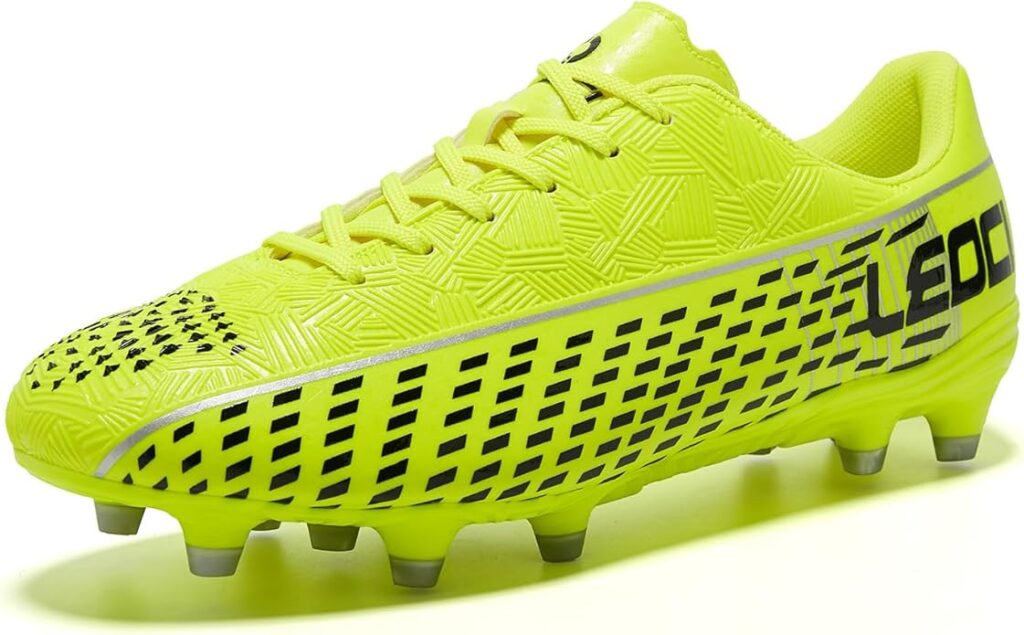
LEOCI Soccer Cleats
Tested by
Me
Best for
Beginners, casual players, and anyone who needs a cheap extra pair for training, gym-to-field, or backup use.
Why We Like It
Budget boots usually fail in two places: comfort and durability. This one isn’t premium, but for the price category it does the basics: it gets you on the field with workable traction and a wearable upper. If you’re new to rugby and you’re not sure you want to drop serious money yet, this is a reasonable “start here” option.
Pros
- Budget-friendly entry point
- Fine for learning and lighter sessions
- Useful as a spare pair in your bag
Cons
- Materials and long-term durability won’t match premium brands
- Less refined fit and feel (you’ll notice it in hard training blocks)
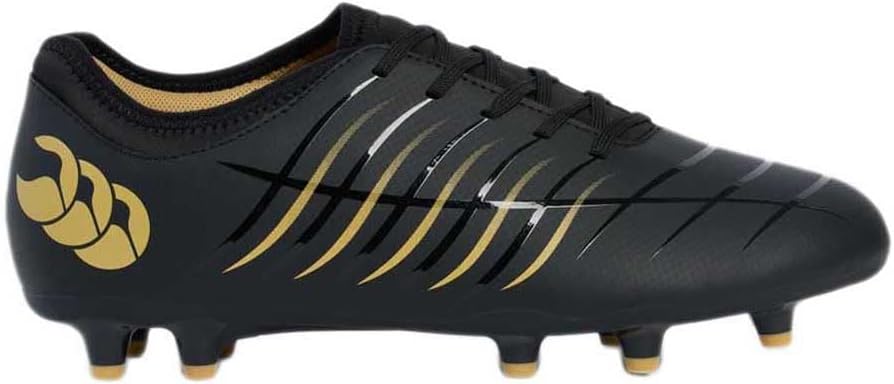
Canterbury Phoenix Ground Rugby Boots
Tested by
Me
Best for
Soft ground conditions where you need confidence underfoot—especially forwards and any player who’s sick of slipping when the pitch gets heavy.
Why We Like It
When the ground turns soft, the game changes. Your first step matters, your bracing foot matters, and the difference between “stable” and “skating” becomes obvious. This pick is here for traction-first players—people who’d rather feel planted than feel fast.
Pros
- Better confidence in softer conditions
- Helps with bracing and drive in contact
- Rugby-first traction mindset
Cons
- Overkill on firm/hard ground (can feel grabby)
- Not the “light speed” choice for backs on dry pitches
Other Things to Consider Before You Buy
Fit and sizing
If you’re between sizes, prioritize heel lockdown and toe comfort. A tiny amount of extra toe space is usually better than crushed toes—especially when your feet swell during matches.
Stud pressure and underfoot comfort
If a boot has aggressive studs, it can feel great for traction but brutal on hard ground. If you play on mixed pitches, that comfort trade-off matters.
Weight vs stability
A slightly heavier boot that stays stable in contact can outperform a lighter boot that twists under load. Rugby isn’t only about sprinting.
Upper material and stretch
Some uppers “give” after a few sessions. Others stay stiff. If you prefer a consistent fit, structured uppers are your friend. If you hate stiffness, look for a more forgiving feel.
Durability and weekly training load
Two trainings plus a match every week will expose weak stitching fast. If you’re training a lot, mid-range or premium can actually be cheaper over a season.
Price and value
Paying more usually buys better comfort over time and better materials—not instant performance. If you’re a newer player, a reliable budget or mid-range pair is often the smarter call.
Frequently Asked Questions
How do I choose between soft ground (SG) and firm ground (FG) boots for rugby?
Pick based on where you play most, not where you wish you played most. SG boots are built for wet, soft natural grass where you need studs to bite and keep you stable in contact. They can feel amazing in mud and horrible on dry ground because the studs can feel too tall and “sticky.” FG boots are made for drier grass and give you smoother transitions when you accelerate and cut. If your season includes both, think about owning two pairs: one traction-first for wet months and one FG pair for dry pitches.
Can I use soccer cleats for rugby (like the adidas or New Balance options here)?
Yes, lots of players do—especially backs and newer players. Soccer cleats can work well for running lines, stepping, and kicking. The main difference is that rugby-specific boots often prioritize stability and traction for contact situations. If you’re a forward or you’re constantly bracing in rucks and scrums, you’ll usually appreciate a rugby-first boot (like Canterbury) because it tends to feel sturdier under load. If you’re mostly playing backline and your game is speed plus skill, soccer cleats can be totally fine.
What should a forward prioritize in rugby boots?
Stability, traction, and support. Forwards need a boot that doesn’t twist when you’re driving, that grips when you’re pushing, and that feels secure when you’re bracing your feet in contact. You also want a fit that locks your heel down and doesn’t let your foot slide around inside the boot. Comfort matters more than people admit, because blisters and sore arches destroy your training week.
What should a back prioritize in rugby boots?
Weight, responsiveness, and a clean fit for fast changes of direction. Backs benefit from boots that feel quick off the mark, don’t feel clunky during high-speed cuts, and still hold your heel firmly. If you kick a lot, the feel of the upper matters too—control boots can give you more confidence striking the ball. Just don’t sacrifice comfort to chase “lightweight” marketing.
How do I know if a boot is the wrong fit after one session?
If you feel heel lift that causes rubbing, sharp pressure on the side of your forefoot, numb toes, or stud pressure that makes you avoid putting your foot down—those are red flags. Some mild stiffness is normal in new boots, but pain in specific spots usually means the shape doesn’t match your foot. A good fit should feel secure at the heel, roomy enough at the toes, and stable when you cut hard.
Conclusion
If you want the safest all-around buy that feels rugby-built, go with the Canterbury Unisex Rugby Boots (ASIN: B09XJ6DXR6). If your game is built around touch and kicking control, the adidas Unisex Predator (ASIN: B0CKMDZ7JT) is the best fit for that job. If you want a comfort-first option that’s easier to live in through long sessions, pick the New Balance Soccer Cleats (ASIN: B096NBQCX7). If you’re starting out or just need a low-cost pair that gets you onto the pitch, the LEOCI Soccer Cleats (ASIN: B0F65KBCBM) is the budget move. And if your season includes genuinely soft, slippery pitches where staying upright in contact matters, the traction-focused choice is the Canterbury Phoenix Ground Rugby Boots (ASIN: B0DL6B7JP9).


Leave a Reply