
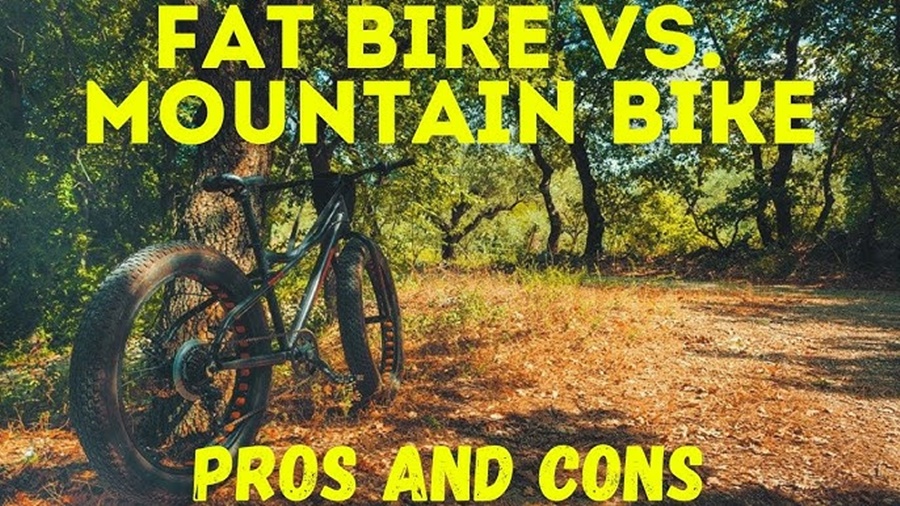
Cycling enthusiasts often compare fat tire bikes and mountain bikes because both are designed for off-road adventures. While they may look similar at first glance, these bikes serve different purposes and perform differently depending on terrain, weather, and riding style. Understanding the differences can help riders choose the right bike for their needs.
This article explores the key differences between fat tire bikes and mountain bikes, including design, performance, comfort, terrain suitability, maintenance, and cost.
What Is a Fat Tire Bike?
A fat tire bike, often called a “fat bike,” is a bicycle equipped with oversized tires that are typically 3.8 to 5 inches wide. These bikes were originally designed for riding on soft and unstable surfaces such as snow and sand.
The large tires provide exceptional traction and stability by distributing the rider’s weight over a wider surface area. Fat bikes are commonly used in harsh weather conditions and rugged terrain where regular mountain bikes struggle.
Main Features of Fat Tire Bikes
- Extra-wide tires
- Lower tire pressure
- Excellent traction
- Strong stability
- Comfortable ride due to natural shock absorption
- Suitable for snow, sand, mud, and rocky terrain
What Is a Mountain Bike?
A mountain bike is specifically built for riding on rough trails, steep hills, forests, and rocky paths. Mountain bikes focus on agility, speed, climbing efficiency, and suspension performance.
These bikes generally feature tires between 2.1 and 2.6 inches wide, suspension systems, and lightweight frames designed for technical trail riding.
Main Features of Mountain Bikes
- Narrower tires compared to fat bikes
- Front or full suspension systems
- Lightweight and agile design
- Better climbing performance
- Faster acceleration
- Designed for trails and technical terrain
Key Differences Between Fat Tire Bikes and Mountain Bikes
1. Tire Width
The most obvious difference is tire size.
Fat Tire Bike
- Tires are extremely wide
- Usually 3.8 to 5 inches
- Better flotation on soft surfaces
Mountain Bike
- Tires are narrower
- Usually 2.1 to 2.6 inches
- Better speed and maneuverability
Wide tires on fat bikes allow riders to float over sand and snow, while mountain bike tires are optimized for grip and efficiency on trails.
2. Terrain Performance
Fat Tire Bike Terrain
Fat bikes excel on:
- Snow
- Sand
- Mud
- Loose gravel
- Rocky terrain
Because of the large tire footprint, fat bikes maintain traction where standard tires sink or slip.
Mountain Bike Terrain
Mountain bikes perform best on:
- Forest trails
- Mountain paths
- Technical singletracks
- Hills and climbs
- Downhill tracks
They are ideal for riders seeking speed, agility, and responsive handling.
3. Comfort and Ride Quality
Fat tire bikes naturally absorb shocks because their large tires operate at low air pressure. This creates a smoother and more cushioned ride, especially over rough terrain.
Mountain bikes rely more on suspension systems for comfort. High-quality suspension can provide excellent control, but the ride may feel firmer compared to a fat bike.
Which Is More Comfortable?
- Fat bikes are generally more comfortable for casual riders.
- Mountain bikes provide better control for aggressive trail riding.
4. Speed and Efficiency
Mountain bikes are typically faster than fat tire bikes.
Why Mountain Bikes Are Faster
- Lighter frames
- Narrower tires
- Less rolling resistance
- Better aerodynamics
Fat bikes require more effort to pedal because the large tires create additional drag and rolling resistance.
If speed and endurance are priorities, mountain bikes usually perform better.
5. Stability and Balance
Fat tire bikes offer exceptional stability due to their wider tires. Beginners often find them easier to balance, especially on uneven terrain.
Mountain bikes are more agile but may feel less stable on slippery or soft surfaces.
Best for Stability
- Fat tire bike wins for balance and traction.
Best for Agility
- Mountain bike wins for quick handling and technical riding.
6. Climbing Ability
Mountain bikes are generally superior climbers.
Their lighter weight and efficient gearing allow riders to tackle steep inclines more easily. Fat bikes can climb hills, but the extra tire resistance and heavier frame require more energy.
7. Suspension Systems
Fat Tire Bikes
Many fat bikes do not require advanced suspension because the tires themselves act as shock absorbers.
Mountain Bikes
Mountain bikes often feature:
- Hardtail suspension (front only)
- Full suspension (front and rear)
This helps riders maintain control during technical descents and jumps.
8. Weight Comparison
Fat bikes are heavier because of:
- Oversized tires
- Larger rims
- Stronger frames
Mountain bikes are usually lighter and easier to transport or maneuver.
Average Weight
- Fat tire bike: 30–40 pounds
- Mountain bike: 22–35 pounds
9. Maintenance Requirements
Fat bikes often require less suspension maintenance since many models have rigid frames. However, replacing fat tires and tubes can be more expensive.
Mountain bikes may require:
- Suspension servicing
- Brake tuning
- Drivetrain maintenance
The complexity of mountain bike components can increase maintenance costs over time.
10. Cost Comparison
Both bike types come in budget and premium versions.
Fat Tire Bike Costs
- Entry-level: Affordable
- Premium models: Expensive due to specialized components
Mountain Bike Costs
- Wider price range
- High-end full-suspension models can be very expensive
In general:
- Casual fat bikes are often cheaper than advanced mountain bikes.
- Professional mountain bikes usually cost more.
Pros and Cons of Fat Tire Bikes
Advantages
- Excellent traction
- Comfortable ride
- Great for snow and sand
- Beginner-friendly stability
- Can handle diverse terrain
Disadvantages
- Slower speed
- Heavier weight
- More pedaling effort
- Less efficient on pavement
Pros and Cons of Mountain Bikes
Advantages
- Faster and lighter
- Excellent climbing ability
- Better for technical trails
- Responsive handling
- Wide range of styles available
Disadvantages
- Less stable on soft surfaces
- Suspension maintenance required
- Can feel less comfortable on rough terrain
Which Bike Is Better for Beginners?
The answer depends on riding goals.
Choose a Fat Tire Bike If:
- You ride on snow or sand
- You prioritize comfort and stability
- You want casual adventure riding
- You are new to off-road biking
Choose a Mountain Bike If:
- You enjoy trails and climbing
- You want speed and agility
- You plan technical trail riding
- You prefer fitness-oriented cycling
Fat Tire Bike vs Mountain Bike for Fitness
Mountain bikes usually provide a more efficient cardiovascular workout because they allow faster riding and aggressive climbing.
Fat bikes can also deliver an intense workout due to increased resistance, but they may tire riders more quickly.
Both bikes can improve:
- Endurance
- Leg strength
- Balance
- Cardiovascular health
Can a Fat Tire Bike Replace a Mountain Bike?
A fat tire bike can handle many mountain biking trails, but it may not perform as efficiently on technical climbs or fast descents.
Similarly, a mountain bike cannot fully replace a fat bike in snow or deep sand.
Each bike has strengths designed for specific conditions.
Best Use Cases
| Situation | Better Choice |
|---|---|
| Snow riding | Fat tire bike |
| Sand riding | Fat tire bike |
| Technical trails | Mountain bike |
| Downhill riding | Mountain bike |
| Casual off-road riding | Fat tire bike |
| Racing | Mountain bike |
| Climbing hills | Mountain bike |
| Stability and balance | Fat tire bike |
Conclusion
Both fat tire bikes and mountain bikes are excellent choices for off-road cycling, but they are designed for different experiences.
Fat tire bikes focus on comfort, traction, and stability across challenging surfaces like snow and sand. They are ideal for beginners, adventure riders, and anyone who values a smooth ride.
Mountain bikes emphasize speed, agility, climbing performance, and technical handling. They are better suited for trail enthusiasts, fitness riders, and competitive cyclists.
The best option depends on where you ride and what kind of cycling experience you want. Riders who frequently encounter soft terrain may prefer a fat bike, while those seeking performance on trails and hills will likely benefit more from a mountain bike.





Leave a Reply