
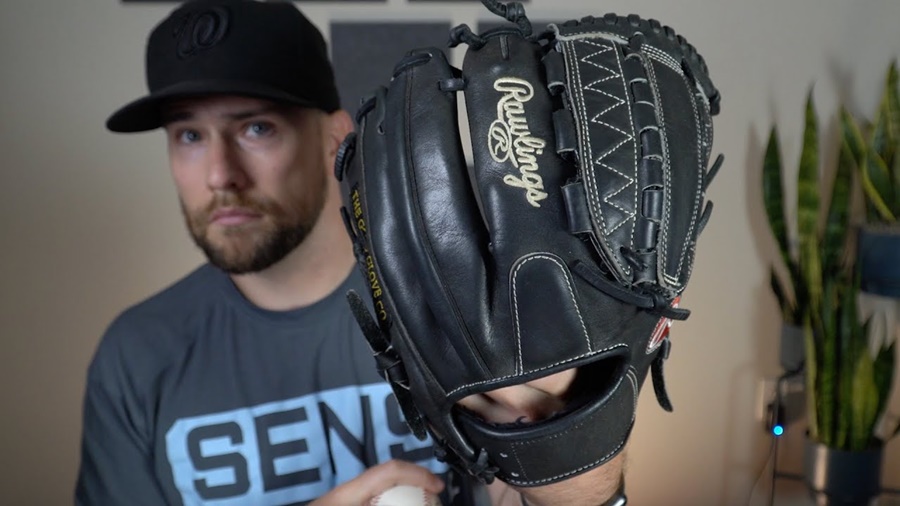
Baseball gloves are not one-size-fits-all. Each position on the field demands specific features, and the difference between a pitcher’s glove and a fielder’s glove is a great example of how design meets function. Understanding these differences can help players choose the right glove for performance, comfort, and strategic advantage.
1. Purpose and Role on the Field
The most fundamental difference lies in what each glove is designed to do.
Pitcher’s Glove:
A pitcher’s primary job is to throw the ball without revealing their grip to the batter. Their glove acts as a shield, concealing the ball before delivery. Fielding is secondary for pitchers, though still important.
Fielder’s Glove:
Fielders (infielders and outfielders) rely heavily on their gloves for catching, transferring, and controlling the ball. Their gloves are built for quick reactions, secure catches, and efficient ball handling.
2. Webbing Design
One of the most noticeable differences is the webbing between the thumb and index finger.
Pitcher’s Glove: Closed Webbing
Pitchers use gloves with closed webs (such as basket, two-piece closed, or H-web variations with minimal gaps). This prevents batters from seeing how the ball is being gripped, which could otherwise give away the type of pitch.
Fielder’s Glove: Open or Specialized Webbing
Fielders use different web types depending on position:
- Infielders: Often prefer open webs (like I-web or H-web) for visibility and quick ball transfers.
- Outfielders: Typically use deeper pockets and webbing designed to secure fly balls.
3. Size and Length
Glove size varies significantly between pitchers and fielders.
Pitcher’s Glove:
Usually ranges from 11.5 to 12.5 inches. The size is moderate—large enough to hide the ball but not overly bulky.
Fielder’s Gloves:
- Infielders: Typically 11 to 12 inches for quick handling
- Outfielders: Usually 12 to 13 inches for extended reach and catching range
4. Pocket Depth
The pocket (where the ball sits in the glove) differs based on the role.
Pitcher’s Glove:
Moderate pocket depth. It must securely hold the ball while also allowing a smooth transition into the throwing motion.
Fielder’s Glove:
- Infielders: Shallow pockets for quick transfers
- Outfielders: Deep pockets to secure high-speed catches
5. Flexibility and Break-In
Pitcher’s Glove:
Pitchers often prefer a slightly stiffer glove that maintains its shape to help conceal the ball consistently.
Fielder’s Glove:
Fielders typically break in their gloves more aggressively for flexibility, allowing faster ball control and responsiveness.
6. Color and Appearance
Pitcher’s Glove:
Leagues often restrict pitchers from using distracting colors (like white or very bright shades) to avoid confusing the batter. Most pitcher gloves are darker and more uniform in color.
Fielder’s Glove:
Fielders have more freedom in color and style, often choosing gloves that reflect personal preference.
7. Strategic Importance
Pitcher’s Glove:
The glove is part of the pitcher’s deception strategy. A poorly chosen glove could tip pitches to the batter, reducing effectiveness.
Fielder’s Glove:
For fielders, the glove directly impacts defensive performance—catching, scooping, and throwing efficiency all depend on having the right glove.
8. Can You Use One for the Other?
Technically, yes—but it’s not ideal.
- A pitcher using a fielder’s glove risks exposing their grip.
- A fielder using a pitcher’s glove may struggle with visibility and quick ball transfers.
Players who switch positions frequently may use a versatile glove, but specialized gloves are always better for serious play.
Conclusion
Pitcher and fielder baseball gloves are designed with entirely different priorities in mind. Pitchers focus on concealment and control, while fielders need speed, flexibility, and reliability in catching. Choosing the right glove isn’t just about comfort—it directly affects performance and strategy on the field.
If you’re serious about improving your game, investing in a position-specific glove is one of the smartest decisions you can make.

Leave a Reply