
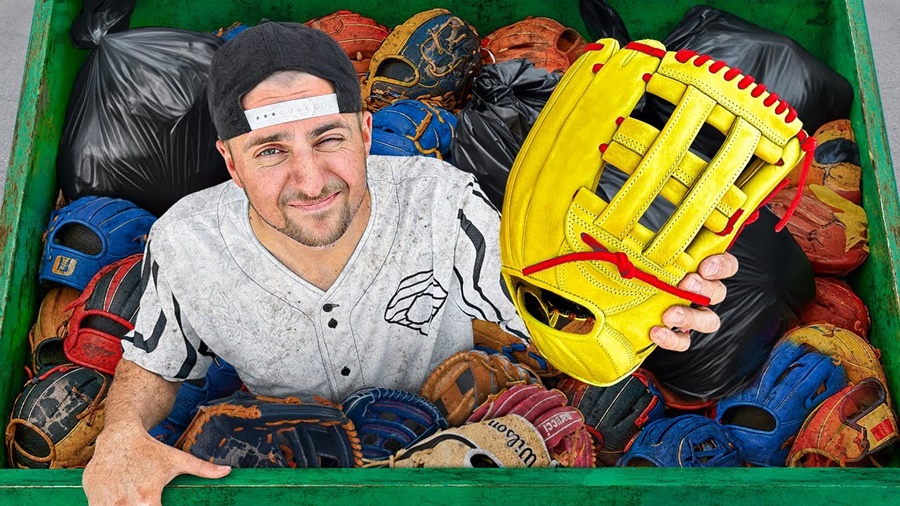
When it comes to choosing the right glove, understanding the difference between fastpitch and slowpitch gloves is essential. Although they may look similar at first glance, these gloves are designed with specific features to match the pace, style, and demands of each game. Using the wrong glove can affect your performance, comfort, and even your confidence on the field.
This guide breaks down everything you need to know.
Understanding the Game Differences
Before diving into the gloves themselves, it’s important to understand how fastpitch and slowpitch differ:
Fastpitch softball
- Faster pitching speeds
- Shorter reaction times
- More emphasis on quick plays and precision
- Common in competitive leagues, especially for women
Slowpitch softball
- Slower, high-arc pitches
- More time to react
- Focus on power hitting and relaxed gameplay
- Popular in recreational and co-ed leagues
These differences directly influence glove design.
Key Differences Between Fastpitch and Slowpitch Gloves
1. Glove Size
Fastpitch gloves
- Typically smaller (11.5″ to 12.5″)
- Designed for quick ball transfers and control
- Infielders often use even smaller gloves for speed
Slowpitch gloves
- Larger (12″ to 15″)
- Built to catch bigger, softer balls more easily
- Outfielders especially benefit from the extended reach
Why it matters:
A larger glove in slowpitch helps secure high, looping hits, while a smaller glove in fastpitch allows for faster reactions.
2. Pocket Depth
Fastpitch gloves
- Shallower pockets
- Helps players quickly grab and release the ball
- Ideal for fast-paced plays
Slowpitch gloves
- Deeper pockets
- Designed to “trap” the ball securely
- Reduces the chance of drops on harder hits
Why it matters:
Fastpitch demands speed; slowpitch prioritizes control and security.
3. Webbing Design
Fastpitch gloves
- Tighter, more structured webbing
- Provides better ball control
- Common styles: I-web, H-web, closed web (for pitchers)
Slowpitch gloves
- Wider and more flexible webbing
- Helps absorb impact and catch larger balls
- Often features basket or trapeze webs
Why it matters:
Webbing affects visibility, flexibility, and how the ball settles into the glove.
4. Fit and Comfort
Fastpitch gloves
- Designed for smaller hands (especially female athletes)
- Snug fit for better control
- Narrower finger stalls
Slowpitch gloves
- More relaxed fit
- Accommodates a wider range of hand sizes
- Often worn with two fingers in the pinky slot for extra control
Why it matters:
A proper fit improves grip strength, reduces fatigue, and enhances performance.
5. Break-In and Flexibility
Fastpitch gloves
- Stiffer at first
- Require a break-in period
- Maintain structure for precision
Slowpitch gloves
- More flexible out of the box
- Easier to close around the ball
- Designed for comfort over long games
Can You Use One Glove for Both?
Technically, yes—but it’s not ideal.
- Using a slowpitch glove in fastpitch can slow down your reaction time.
- Using a fastpitch glove in slowpitch may make it harder to catch larger balls cleanly.
If you play both formats regularly, it’s best to own separate gloves.
Choosing the Right Glove for You
Here are a few practical tips:
- Position matters:
Infielders need smaller, quicker gloves; outfielders benefit from larger ones. - Skill level:
Beginners may prefer softer, more flexible gloves, while advanced players often choose stiffer models for control. - Comfort is key:
Always prioritize a glove that fits your hand well. - Try before you buy (if possible):
The feel of a glove can vary even within the same category.
Conclusion
Fastpitch and slowpitch gloves are built with different priorities in mind speed versus control. Choosing the right glove isn’t just about preference; it directly impacts your performance on the field.
If you’re serious about improving your game, investing in a glove specifically designed for your style of play is one of the smartest decisions you can make.
Leave a Reply