
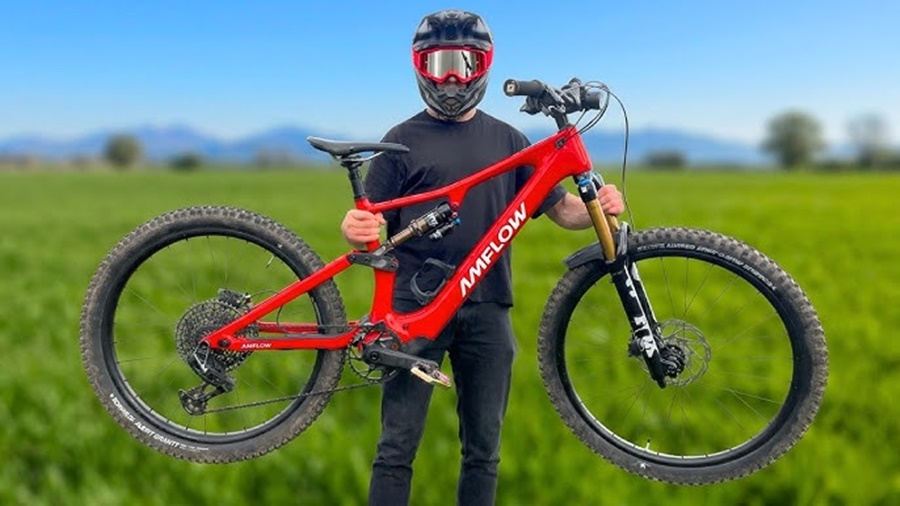
Mountain biking has evolved dramatically over the last decade, and one of the biggest changes in the cycling world is the rise of electric mountain bikes. Riders today often face a common question: should they choose an electric mountain bike or stick with a regular mountain bike? Both options offer exciting experiences, but they are designed for different riding styles, fitness levels, and terrain preferences.
This article explores the differences between electric mountain bikes and regular mountain bikes in detail, helping you understand which one best suits your needs.
What Is an Electric Mountain Bike?
An electric mountain bike, often called an e-MTB, is a mountain bike equipped with an electric motor and rechargeable battery. The motor assists the rider while pedaling, making climbs easier and reducing physical strain.
Unlike motorcycles, electric mountain bikes still require pedaling. The motor simply provides extra power, especially on steep hills or rough trails.
Most e-MTBs include:
- A battery pack
- An electric motor
- Pedal-assist technology
- Different riding modes
- A display screen for speed and battery information
Electric mountain bikes come in hardtail and full-suspension models, similar to traditional mountain bikes.
What Is a Regular Mountain Bike?
A regular mountain bike is a traditional bicycle powered entirely by human effort. Riders rely solely on their strength, endurance, and technique to navigate trails, hills, rocks, and rough terrain.
Regular mountain bikes are known for:
- Lightweight construction
- Mechanical simplicity
- Lower maintenance
- Greater physical challenge
- Better affordability
They are widely used for recreation, racing, fitness training, and adventure riding.
Key Differences Between Electric and Regular Mountain Bikes
1. Power and Assistance
The biggest difference is motor assistance.
Electric Mountain Bike
An e-MTB provides pedal assistance through an electric motor. This makes climbing steep hills easier and allows riders to travel longer distances with less fatigue.
Regular Mountain Bike
A regular mountain bike depends entirely on rider power. Every climb and acceleration requires physical effort.
Which Is Better?
- Choose an e-MTB if you want assistance on difficult terrain.
- Choose a regular MTB if you prefer a pure physical challenge.
2. Weight
Weight significantly affects bike handling and maneuverability.
Electric Mountain Bike
Electric bikes are heavier because of the motor and battery. Most e-MTBs weigh between 20 to 28 kilograms.
Regular Mountain Bike
Traditional mountain bikes are lighter, usually weighing between 10 to 16 kilograms depending on materials and components.
Impact of Weight
Heavier bikes:
- Require more effort without motor assistance
- Can feel less agile on technical trails
- Are harder to transport
Lighter bikes:
- Feel quicker and more responsive
- Are easier to jump and maneuver
- Improve rider control
3. Speed and Climbing Ability
Electric Mountain Bike
The motor helps riders maintain higher speeds uphill and on long rides. Climbs that would normally exhaust riders become manageable.
Regular Mountain Bike
Climbing depends on rider fitness, endurance, and skill.
Best Choice
If your area has steep hills or long trails, an e-MTB offers a major advantage.
4. Fitness and Exercise
Electric Mountain Bike
Many people believe e-bikes eliminate exercise, but that is not entirely true. Riders still pedal and burn calories. However, the intensity is lower compared to traditional biking.
Regular Mountain Bike
A regular mountain bike provides a more demanding workout. Riders develop:
- Cardiovascular endurance
- Leg strength
- Stamina
- Technical riding skills
Fitness Comparison
- Regular MTB = more intense exercise
- E-MTB = moderate exercise with longer ride potential
5. Riding Range
Electric Mountain Bike
Battery capacity determines how far you can ride. Most e-MTBs offer:
- 30 to 100 kilometers per charge
- Range depending on terrain and assist mode
Regular Mountain Bike
There is technically no limit except rider endurance and food/water supply.
6. Cost
Electric Mountain Bike
Electric mountain bikes are considerably more expensive because of:
- Motor technology
- Battery systems
- Advanced electronics
High-quality e-MTBs can cost thousands of dollars.
Regular Mountain Bike
Traditional mountain bikes are available in a wide range of prices and are generally more affordable.
Budget Consideration
If cost is important, a regular mountain bike is usually the better option.
7. Maintenance
Electric Mountain Bike
E-MTBs require additional maintenance for:
- Battery health
- Motor systems
- Electrical components
- Software updates
Repairs can be expensive.
Regular Mountain Bike
Traditional mountain bikes are mechanically simpler and easier to repair.
8. Trail Access and Regulations
Some trails restrict electric bikes due to environmental concerns or local regulations.
Electric Mountain Bike
Access may be limited in certain parks or protected areas.
Regular Mountain Bike
Traditional bikes are accepted almost everywhere.
Before buying an e-MTB, riders should check local trail rules.
Advantages of Electric Mountain Bikes
Electric mountain bikes provide several important benefits.
Easier Climbs
Steep hills become much more manageable.
Longer Rides
Riders can travel farther without exhaustion.
Accessibility
Older riders or people with physical limitations can continue enjoying mountain biking.
More Fun for Beginners
New riders may feel more confident on difficult terrain.
Faster Recovery
Riders can spend less energy climbing and more energy enjoying descents.
Advantages of Regular Mountain Bikes
Traditional mountain bikes also have major strengths.
Better Fitness
Riders get a full-body workout.
Lower Cost
They are usually much cheaper.
Simpler Maintenance
No batteries or electronics to worry about.
Lightweight Performance
They handle technical trails more naturally.
Greater Skill Development
Riders improve endurance and bike-handling abilities.
Who Should Choose an Electric Mountain Bike?
An electric mountain bike is ideal for:
- Riders with knee or joint issues
- Older cyclists
- Beginners tackling difficult terrain
- Commuters who also ride trails
- Riders who want longer adventures
- People returning to cycling after injury
E-MTBs also work well for groups where riders have different fitness levels.
Who Should Choose a Regular Mountain Bike?
A regular mountain bike is best for:
- Fitness-focused riders
- Competitive cyclists
- Riders on a budget
- Purists who enjoy physical challenges
- Trail riders who value lightweight handling
- People who prefer low-maintenance bikes
Environmental Impact
Both bikes are environmentally friendly compared to motor vehicles, but there are differences.
Electric Mountain Bike
Battery production and disposal have environmental costs.
Regular Mountain Bike
Traditional bikes have a smaller environmental footprint because they contain fewer electronic components.
However, both remain sustainable transportation and recreation choices.
Battery Life and Charging
Battery performance is an important factor with electric bikes.
Most modern e-MTB batteries:
- Last 3 to 6 years
- Require regular charging
- Take 3 to 8 hours to fully recharge
Cold weather and aggressive riding reduce battery range.
Regular mountain bikes avoid all battery-related concerns.
Riding Experience
Electric Mountain Bike Experience
Riders often describe e-MTBs as:
- Fast
- Smooth
- Confidence-boosting
- Less physically exhausting
Regular Mountain Bike Experience
Traditional mountain biking feels:
- More raw and physical
- Technically demanding
- Highly rewarding
The choice depends on what type of experience you value most.
Safety Considerations
Electric mountain bikes can reach higher speeds more easily, which may increase accident risks on technical trails.
Both bike types require:
- Helmets
- Protective gear
- Trail awareness
- Proper bike maintenance
Riders should always match speed to trail conditions.
Conclusion
There is no universal winner between electric mountain bikes and regular mountain bikes. The best option depends on your goals, fitness level, budget, and riding style.
Choose an electric mountain bike if you:
- Want help on climbs
- Prefer longer rides
- Need reduced physical strain
- Enjoy assisted performance
Choose a regular mountain bike if you:
- Want maximum exercise
- Prefer lightweight handling
- Have a limited budget
- Enjoy traditional riding challenges
Ultimately, both types of mountain bikes deliver adventure, excitement, and outdoor enjoyment. Whether powered by your legs alone or supported by an electric motor, mountain biking remains one of the most thrilling ways to explore nature and stay active.




Leave a Reply