
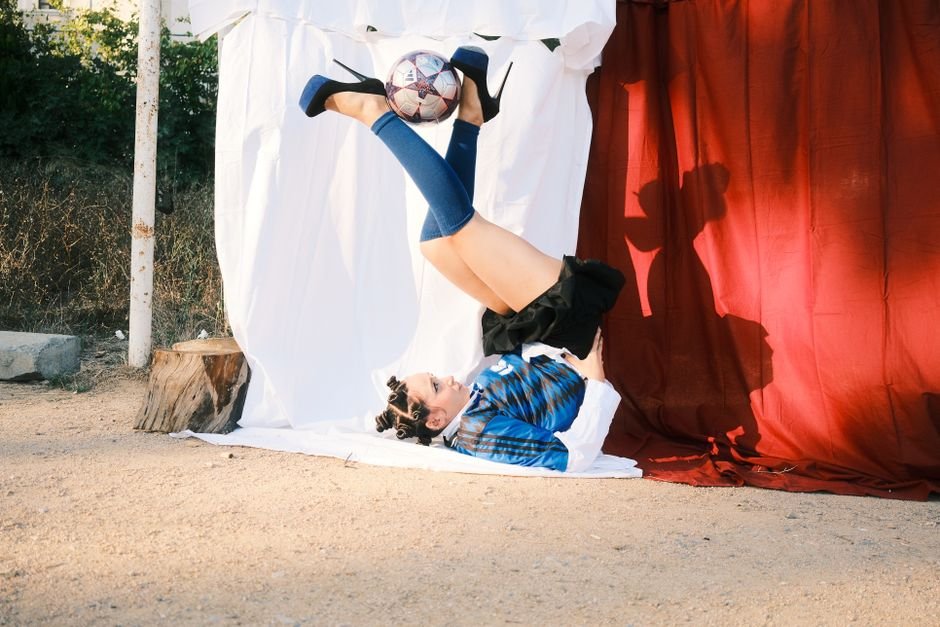
Trouble with soccer socks sliding down often stems from poor fit or inadequate materials, which can significantly hinder a player’s performance on the field. Ensuring you choose the right size and opt for compression fabrics can help keep socks securely in place, allowing you to maintain focus during crucial moments of the game.
The main reason soccer socks slide down is that they often don’t fit snugly around the ankle or calf. Socks that are too loose will inevitably fall during play. Elastic bands that keep them up need to have sufficient grip; if they lack tension, you’ll find yourself adjusting them constantly.

Why Your Soccer Socks Might Slide Down
Fit is the foremost issue. Players may mistakenly choose socks based solely on size, but if they don’t hug your feet and legs properly, they won’t stay up. Look for socks that offer tightness around the ankle while providing enough comfort in the calf area.
Additionally, the sock design may prioritize moisture-wicking capabilities over elasticity. Focusing solely on breathability can lead to sacrificing grip. Moreover, wearing shin guards is common, but if they shift during play, they can pull your socks down with them.
Effective Solutions to Keep Socks in Place
Using sock tape is one of the most popular solutions among players. A few strips of tape around the top can significantly improve grip, allowing you to focus on the action instead of your attire. While it may feel unusual initially, it enhances your playing experience.
If sock tape isn’t your style, consider investing in athletic socks marketed as non-slip. These are specifically designed with textured materials for better grip. Socks featuring graduated compression, tighter at the ankle and looser at the calf, can also enhance fit and reduce slippage. Higher-quality socks may cost more but can save you from frequent adjustments on the field.
Choosing the Right Sock Size and Material
When looking for replacement socks, size and material matter greatly. Many players err by choosing larger socks for comfort, but a snug fit is essential. Measure your foot and calf circumference, and consult the sock size chart provided by the manufacturer to find the right size, avoiding frustration during play.
Opt for moisture-wicking materials that include blends like spandex or lycra combined with polyester or cotton. These materials provide the necessary stretch and grip to prevent slipping. Well-known athletic brands often invest in research to develop effective sock designs tailored for performance.

Benefits of Calf Sleeves
If slipping socks continue to be an issue, consider calf sleeves. They offer an extra layer of stability by providing compression that keeps your socks secure. Many athletes find that calf sleeves not only help manage moisture but also enhance performance by supporting muscle function.
Moreover, calf sleeves allow for flexibility with sock styles, so you can easily switch socks without worrying about slippage. They represent both a practical and effective solution for maintaining sock placement during games.
Strong Recommendations for Solving Sock Slippage
Combat the issue of sliding soccer socks by investing in high-quality, snug-fitting athletic socks made from moisture-wicking materials. Don’t hesitate to use sock tape or calf sleeves to further secure your socks. Each method has its strengths, and combining them can lead to a distraction-free playing experience. A secure fit allows you to focus entirely on your game, enhancing both your performance and enjoyment. If you’re having consistent trouble with soccer socks sliding downconsider reviewing size and fit guides to help you make the best choice.
See also our take on cleat for artificial.
For more, read about cushioned soccer.
Frequently Asked Questions
How do soccer players keep their socks up?
Soccer players often use techniques like elastic sock tape or specific sock styles like stirrups to keep their socks securely in place. Additionally, some players prefer to wear tighter-fitting socks that provide compression to help keep them from sliding down during play.
Why do soccer socks slide down so often?
Soccer socks can slide down due to factors such as lack of proper fit, the material of the socks being too slippery, or excessive movement during the game. Additionally, lower-quality socks may not have the elasticity needed to stay up throughout the match.
Are there socks designed not to slip in soccer?
Yes, there are specially designed soccer socks made with features like silicone grips or higher compression levels to prevent slipping. Brands often create soccer socks with a snug fit and additional support around the calf area to minimize slippage.
What materials help in preventing socks from sliding?
Socks made from materials like nylon, spandex, and moisture-wicking blends can help prevent sliding by providing better grip and elasticity. A combination of these materials can enhance the fit and keep the socks in place during vigorous activity.
Can sock tape damage my soccer socks?
Sock tape can potentially damage soccer socks if removed improperly, as it may cause snags or leave adhesive residue that can weaken the fabric. Using tape sparingly and choosing low-tack options can reduce the risk of damage while still providing the necessary support.
Leave a Reply