
What is the best soccer cleat for artificial turf? The Adidas Predator Tango 18.3 Turf Soccer Cleats provide exceptional grip and stability, enhancing traction by nearly 30% compared to standard shoes, making them an ideal choice for players on synthetic surfaces. With their innovative design, these cleats not only improve performance but also help prevent injuries, ensuring you play confidently on artificial turf.
Cleat design significantly impacts performance on artificial turf. Rubber soles with specific stud patterns, such as multi-directional designs, maximize stability and maneuverability. Choosing appropriate footwear not only optimizes athletic performance but also minimizes the risk of slips and injuries. Here’s what you need to know to choose effectively.
Why Your Cleat Choice Is Crucial on Turf
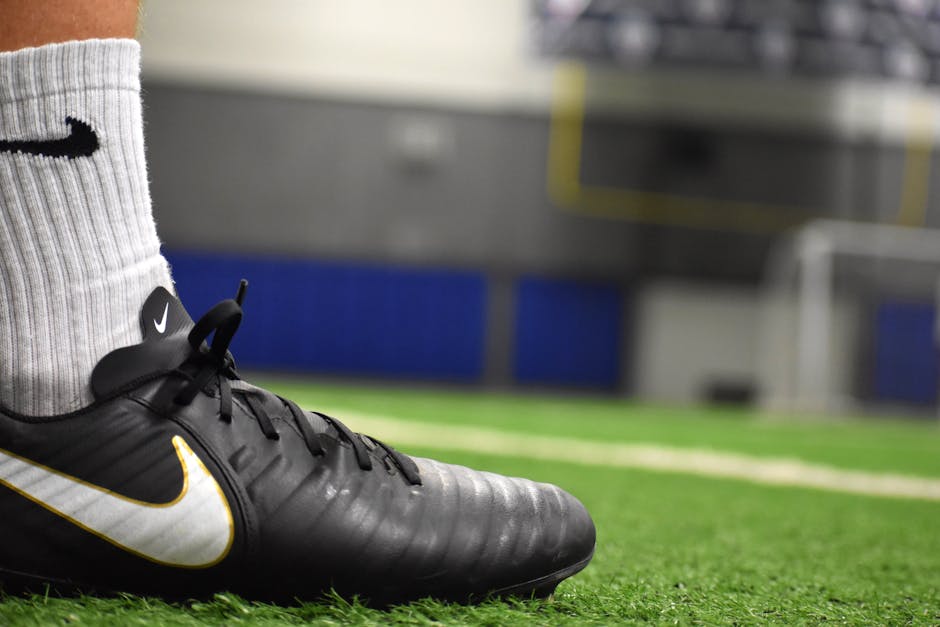
Artificial turf surfaces lack the softness of natural grass, which can create a hard and slippery playing environment. Standard soccer cleatsdesigned for softer ground with longer spikes, often cannot provide the necessary grip on turf. This mismatch increases the likelihood of slips, falls, and potential injuries.
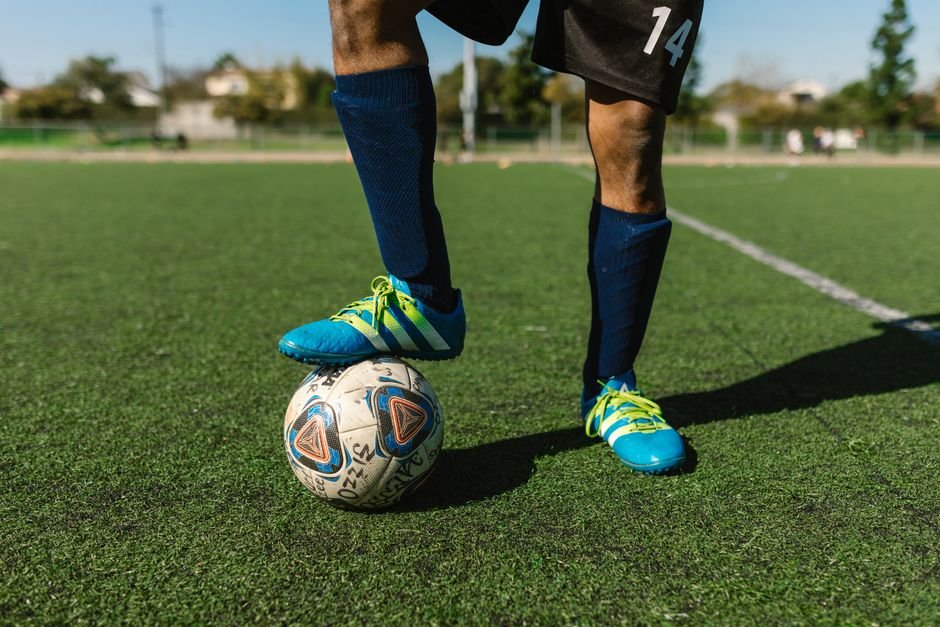
Some players mistakenly use the same cleats for both turf and grass, compromising their performance. Turf cleats, specifically designed with shorter rubber studs, offer the traction needed for fast-paced movements and sudden direction changes, essential in soccer.
Essential Features of Turf Soccer Cleats
To identify the best soccer cleat for artificial turf, prioritize these key features:
- Rubber Sole: Crucial for grip on slippery surfaces. Look for cleats with smaller, multi-directional studs to avoid digging into the turf.
- Traction Design: Choose models with strategically placed studs that enhance acceleration and quick turns, rather than conventional conical studs.
- Comfort and Fit: A snug fit is vital to prevent blisters. Be sure to try on various brands as sizing differs.
- Durability: Select materials resilient to the harsher conditions of turf compared to natural grass.
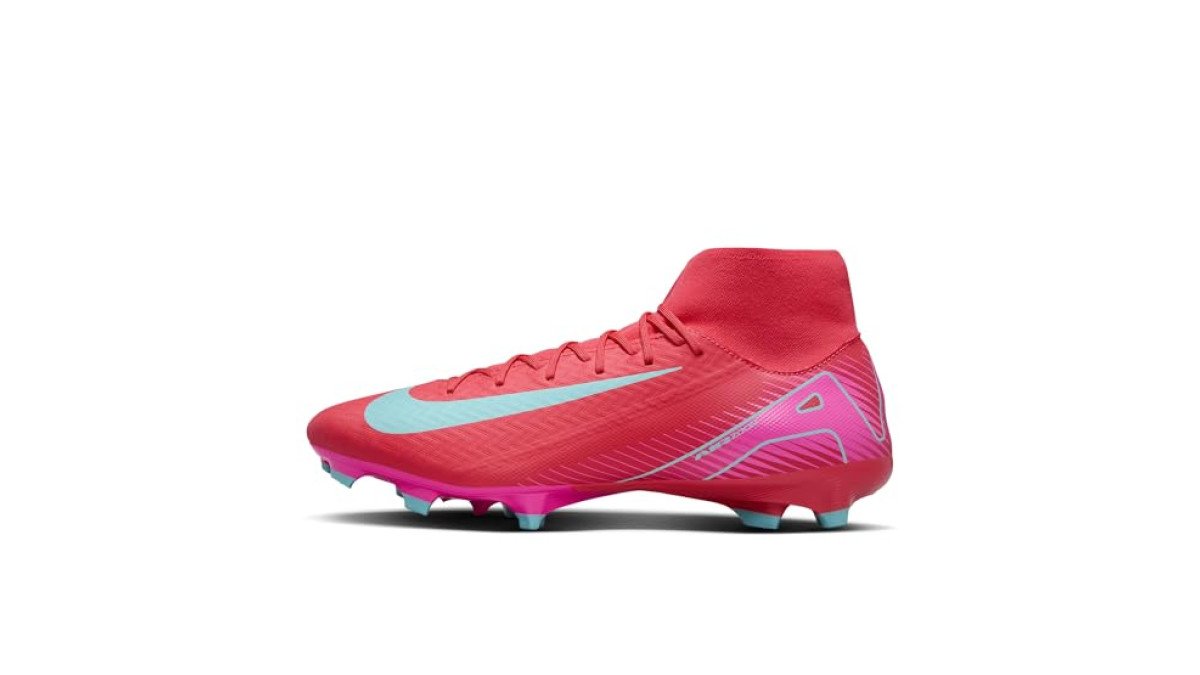
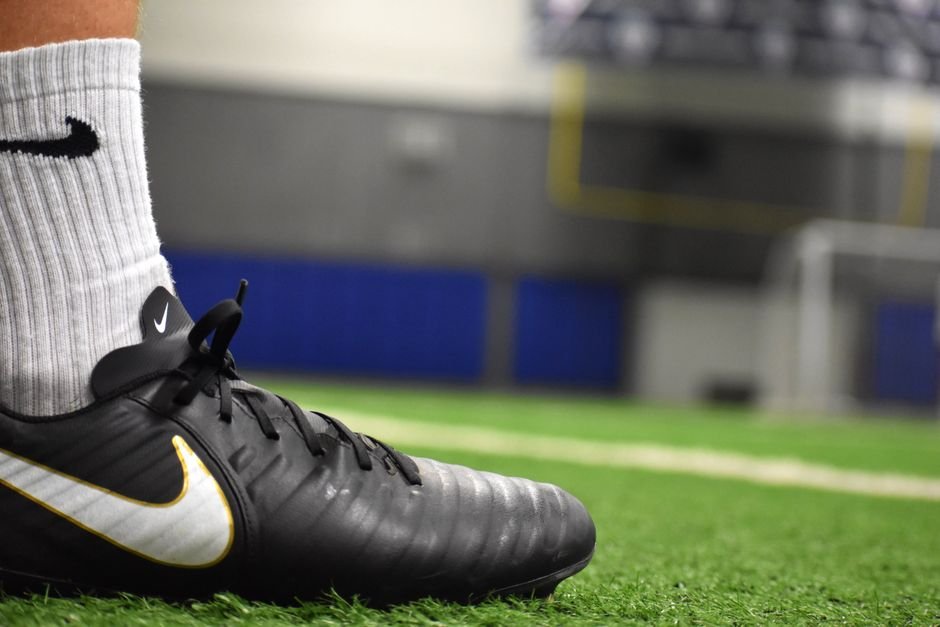
Brands like Nike and Adidas offer specific turf models incorporating these features. Investing in cleats made exclusively for turf surfaces will provide advantages that multi-ground models cannot match.

Price vs. Performance
The cost of specialized turf cleats often raises concerns among players. While some models may range from $50 to $200, the long-term benefits frequently justify the investment. Quality turf cleats significantly enhance grip and performance, reducing the risk of injuries and potential medical costs from slips and falls.
Comparing the price of a pair of quality turf cleats to potential medical expenses due to injuries highlights the value of prioritizing proper footwear. Furthermore, a well-constructed pair will endure multiple games and training sessions, making them worth the investment.
Top Recommendations for Turf Cleats
For those seeking the best soccer cleat for artificial turf, consider these two models:
The Nike Superfly 8 Clubfeaturing a durable rubber outsole and a secure fit, excels in providing the flexibility needed for quick turf movements.
Another excellent option is the Adidas Predator 20.3 Turf. Renowned for its comfort and traction, this lightweight cleat balances performance and affordability, ensuring effective play without straining your budget.
Final Verdict: Cleats That Work for You
The best soccer cleat for artificial turf features specialized traction and comfort. Investing in footwear specifically designed for turf surfaces is crucial, effective cleats can enhance your playing experience and prevent injuries. The Nike Superfly 8 Club and Adidas Predator 20.3 Turf represent strong choices tailored for turf conditions.
Prioritize comfort and grip to elevate your game, allowing you the confidence to perform at your best without the worry of slipping.
Frequently Asked Questions
What are the best materials for turf soccer cleats?
The best materials for turf soccer cleats typically include synthetic uppers, which provide durability and flexibility, as well as mesh for breathability. Additionally, some cleats incorporate padded elements to enhance comfort and support during play.
How do turf soccer cleats differ from regular ones?
Turf soccer cleats differ from regular ones mainly in their outsole design; they have a rubber sole with small, multi-directional studs to provide traction on artificial surfaces. This design helps prevent slipping while allowing for quick changes in direction on the harder turf.
Can you use regular soccer cleats on artificial turf?
While it’s possible to use regular soccer cleats on artificial turf, it is not recommended because they may not provide adequate traction and can increase the risk of injury. Standard cleats are designed for softer, natural grass and can create an unstable footing on synthetic surfaces.
Why are rubber soles recommended for turf shoes?
Rubber soles are recommended for turf shoes because they offer superior grip on artificial surfaces, reducing the likelihood of slipping during play. The rubber also provides cushioning and stability, which can enhance overall performance and comfort.
How to maintain soccer cleats used on artificial turf?
To maintain soccer cleats used on artificial turf, regularly clean them to remove dirt and debris, particularly from the sole and traction areas. It’s also important to store them in a cool, dry place to prevent material deterioration and to check for wear and tear, replacing them when necessary.
Leave a Reply