
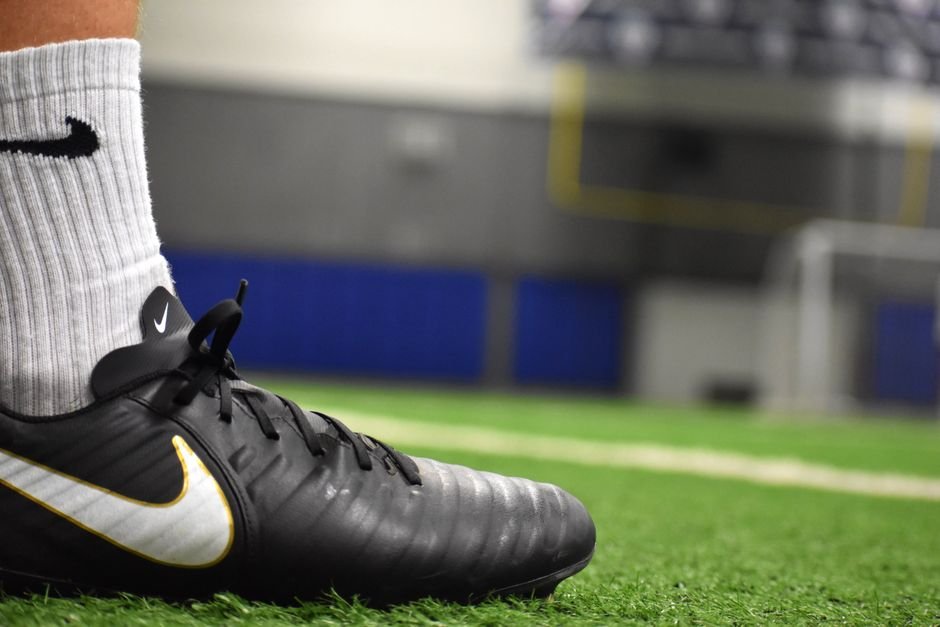
75% of players underestimate the importance of soccer cleat studs, which can be the difference between slipping and sprinting. Understanding the right stud configuration for various surfaces is critical to enhancing your game performance.
Many players underestimate the importance of stud patterns and shapes. These factors can dramatically influence your grip and how effectively you can sprint, cut, or pivot during a game. In this article, I’ll break down the essential aspects of soccer cleat studs, explaining seven key considerations that will enhance your performance.
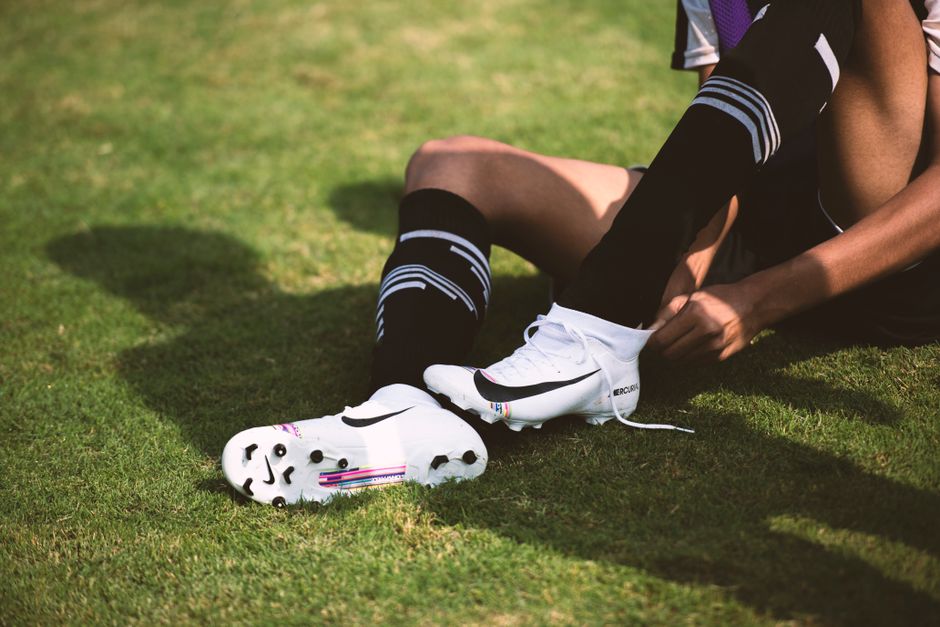
1. Firm Ground (FG) Studs
Firm Ground studs are designed for natural grass pitches that are dry and firm. These studs are often conical or bladed, optimizing grip during quick movements without causing undue stress to your ankles and knees. If you play mostly on well-maintained grass fields, FG studs are your best bet, as they provide stability and traction needed for rapid direction changes.
Tip: Look for FG stud configurations with a mix of short and longer studs for enhanced grip and comfort.
2. Soft Ground (SG) Studs
Soft Ground studs are specifically made for wet, muddy conditions. They typically feature longer, detachable metal studs that dig into soft surfaces, giving you the support you need to avoid slipping. If your matches often take place during rainy seasons or involve uneven terrain, SG studs will help you maintain footing and control.
Tip: Always check the stud length; if the ground is less muddy, adjust to shorter studs to balance stability and maneuverability.
3. Artificial Ground (AG) Studs
Artificial Ground studs are optimized for the increasingly popular artificial grass pitches. These studs are typically shorter and more numerous, distributed unevenly to offer traction on synthetic surfaces. If your home field is turf, investing in AG cleats will minimize the risk of injury while providing adequate grip.
Tip: For those transitioning from natural grass to turf, don’t forget to check out the differences in weight and flexibility between AG and FG cleats.
4. Multi-Ground (MG) Studs
Multi-Ground studs are a hybrid option, designed for players who transition between different surfaces. With versatility in their favor, these studs are shorter and work well on both firm grass and artificial pitches. They offer a balanced distribution of grip but may not provide the same level of traction as specialized studs on dedicated surfaces.
Tip: Multi-ground options can be a great choice for casual players or those who frequently switch fields.
5. Turf (TF) Studs
Turf studs feature a wider, flatter design suitable for playing on tightly packed, short-pile turf. The rubberized studs are spaced to minimize injuries while ensuring adequate grip suitable for short bursts of speed. Turf cleats are great for training sessions and small-sided matches on artificial surfaces.
Tip: Easy to maintain, turf studs just require a quick cleaning after play to keep them in excellent condition.
6. Hybrid Studs
Hybrid studs combine elements of both FG and SG designs, allowing you to adapt your footwear for various conditions. They usually have a mix of conical and bladed shapes, helping enhance grip without sacrificing comfort. This type is suitable for those who play in unpredictable conditions, switching frequently from dry to damp fields.
Tip: Experiment with different combinations based on your play style; you might find certain hybrid configurations work best for your specific needs.
7. Specialty Studs
Specialty studs include additional features such as anti-clog designs or customized grips for different playing styles. Some pitches require specific adaptations for optimal performance. I’ve seen players benefit from custom options that enhance performance based on their unique movement patterns during play.
Tip: Consult with a specialized retailer or your coach for advice on whether you’re suited to make such adjustments.

Finding the Right Studs for You
For players on firm ground, consider cleats with conical studs for better grip and stability. Those playing on softer surfaces should opt for longer, bladed studs to prevent sinking into the ground. Taking the time to analyze your playing surface can lead to a marked improvement in your agility and control.
Frequently Asked Questions
What type of studs are best for grass?
For grass, molded studs or conical studs are generally the best options. They provide better traction and stability on soft, natural surfaces.
Why do soccer cleats have different studs?
Soccer cleats have different studs to accommodate varying playing surfaces and conditions, such as firm ground, soft ground, or artificial turf. Each stud type is designed to provide optimal traction, control, and comfort for specific environments.
How do you choose the right cleat studs?
To choose the right cleat studs, consider the type of playing surface you'll primarily be on, as well as personal comfort and playing style. It's also important to ensure that the studs provide the right balance of traction and agility for your position.
Can you replace studs on soccer cleats?
Yes, on certain soccer cleats, particularly those with interchangeable studs, you can replace the studs as needed. Be sure to select the correct replacement studs that fit your cleats and are suitable for the playing surface.
Are metal studs allowed in soccer?
Metal studs are generally allowed in soccer, but specific leagues and tournaments may have restrictions on their use. It's important to check the regulations of the competition you are participating in.
For a deeper understanding of soccer cleat studs, consider understanding soccer cleat studs as they dramatically influence your performance during the game.


Leave a Reply