
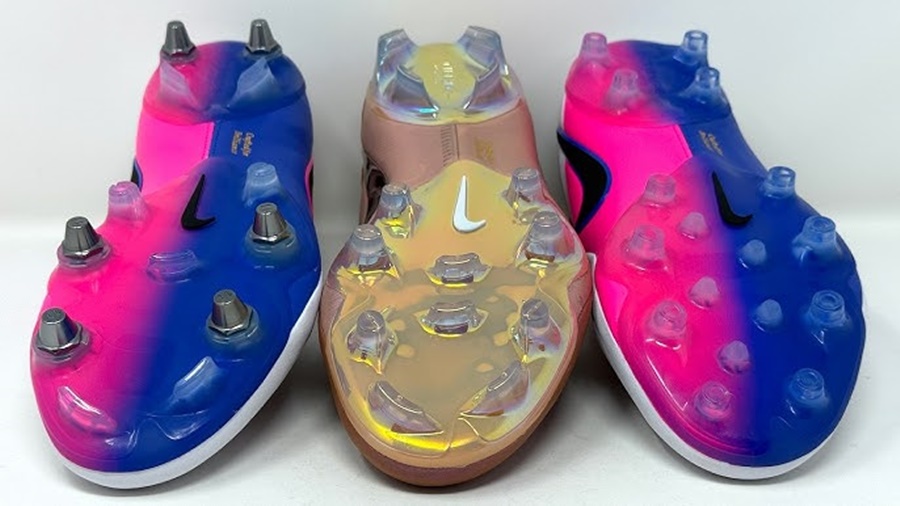
Soccer cleats play a crucial role in a player’s performance, comfort, and safety on the field. One of the most important decisions players face when choosing cleats is whether to wear molded studs or metal studs. While both options are designed to provide traction and stability, they are intended for different playing conditions and styles of play.
This article explores the differences between molded studs and metal studs soccer cleats, their advantages and disadvantages, and how to choose the right pair for your needs.
Understanding Soccer Cleat Studs
Studs are the protrusions on the sole of soccer cleats that help players grip the playing surface. They improve traction during running, turning, accelerating, and stopping. The type of studs you choose can significantly affect your performance and reduce the risk of slipping or injury.
The two most common types of soccer cleats are:
- Molded Stud Cleats
- Metal Stud Cleats
Each is designed for specific field conditions and player preferences.
What Are Molded Stud Soccer Cleats?
Molded studs are permanently attached to the sole of the cleat and are typically made from rubber, plastic, or thermoplastic materials. These studs come in various shapes and patterns but cannot be removed or replaced.
Molded stud cleats are the most widely used soccer cleats worldwide because of their versatility and convenience.
Advantages of Molded Studs
1. Versatility
Molded studs perform well on a variety of playing surfaces, including:
- Natural grass
- Artificial turf
- Dry fields
- Slightly damp conditions
This makes them an excellent all-around choice for most players.
2. Lower Maintenance
Because the studs are permanently attached, there is no need to replace them. Players can simply clean the cleats after use and continue playing.
3. Lightweight Design
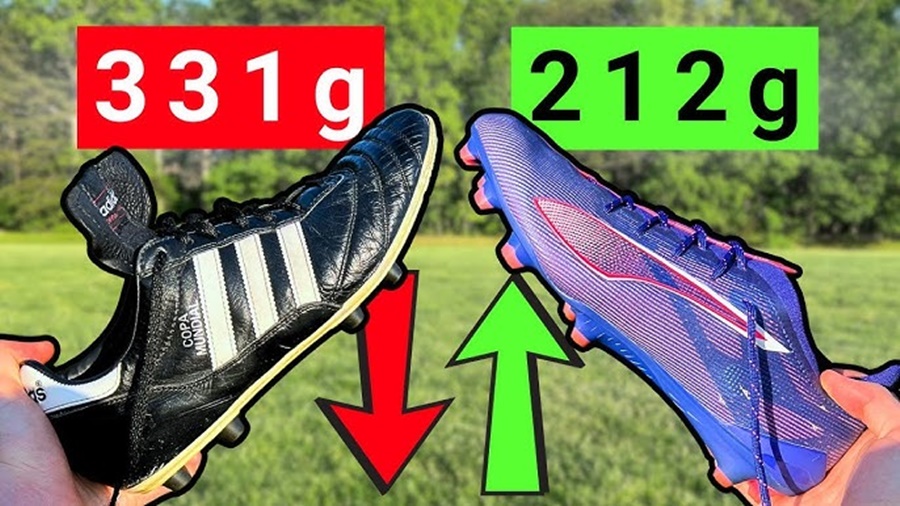
Most molded cleats are lighter than metal-studded alternatives. The reduced weight can help players move more quickly and comfortably during matches.
4. Increased Safety
Molded studs are generally considered safer because they are less likely to cause injury during player contact. Many youth leagues and recreational competitions prefer or require molded studs.
5. Cost-Effective
Molded cleats are often more affordable than metal stud cleats, making them ideal for beginners and youth players.
Disadvantages of Molded Studs
1. Limited Grip in Muddy Conditions
When fields become extremely wet or muddy, molded studs may not provide enough penetration into the ground, resulting in reduced traction.
2. Non-Replaceable Studs
Once the studs wear down, the entire cleat typically needs replacement.
What Are Metal Stud Soccer Cleats?
Metal stud soccer cleats, often referred to as screw-in cleats, feature removable studs with metal tips or metal construction. Players can change the stud length depending on field conditions.
These cleats are commonly used by professional and advanced players on soft natural grass fields.
Advantages of Metal Studs
1. Superior Traction
Metal studs penetrate soft ground more effectively than molded studs. This provides exceptional grip during:
- Acceleration
- Sharp turns
- Sudden stops
- Wet-weather matches
2. Adjustable Stud Length
One of the biggest benefits of metal studs is customization. Players can install longer studs for muddy conditions and shorter studs for moderately soft fields.
3. Better Performance on Soft Ground
For players competing on rain-soaked or heavily used natural grass pitches, metal studs offer unmatched stability and traction.
4. Replaceable Components
Damaged or worn studs can be replaced individually, extending the lifespan of the cleats.
Disadvantages of Metal Studs
1. Heavier Weight
Metal studs generally add weight to the cleat, which some players may notice during long matches.
2. Higher Cost
Both the cleats and replacement studs can be more expensive than molded alternatives.
3. Not Suitable for Hard Surfaces
Using metal studs on hard ground or artificial turf can be uncomfortable and may increase injury risk.
4. League Restrictions
Many youth leagues, schools, and recreational competitions prohibit metal studs due to safety concerns.
Key Differences Between Molded Studs and Metal Studs
| Feature | Molded Studs | Metal Studs |
|---|---|---|
| Material | Plastic, rubber, thermoplastic | Metal or metal-tipped |
| Stud Type | Fixed | Removable |
| Best Surface | Firm ground and artificial turf | Soft natural grass |
| Weight | Lighter | Heavier |
| Maintenance | Minimal | Requires stud replacement |
| Cost | Lower | Higher |
| Traction in Mud | Moderate | Excellent |
| Safety | Generally safer | Can be restricted in some leagues |
Which Players Should Choose Molded Studs?
Molded stud cleats are ideal for:
- Youth players
- Beginners
- Recreational players
- Players who compete on multiple field types
- Athletes seeking comfort and convenience
If you primarily play on firm natural grass or artificial turf, molded studs are usually the best option.
Which Players Should Choose Metal Studs?
Metal stud cleats are best suited for:
- Advanced and professional players
- Competitive athletes
- Players who frequently compete in wet conditions
- Those playing on soft, muddy natural grass fields
If maximum traction is your priority and your league permits them, metal studs can provide a performance advantage.
Field Conditions Matter Most
The most important factor when choosing between molded and metal studs is the playing surface.
Dry and Firm Fields
Choose molded studs. They provide sufficient grip and greater comfort.
Artificial Turf
Choose molded studs or turf-specific shoes. Metal studs should generally be avoided.
Wet Natural Grass
Metal studs often provide better traction and stability.
Muddy Fields
Metal studs are usually the preferred choice because they can dig deeper into the ground and prevent slipping.
Safety Considerations
Regardless of the stud type, players should ensure their cleats fit properly and are suitable for the field conditions. Wearing the wrong cleats can lead to slips, falls, ankle injuries, and reduced performance.
Coaches and players should also check league regulations before purchasing metal stud cleats, as some competitions prohibit their use.
Conclusion
The choice between molded studs and metal studs depends largely on where and how you play. Molded studs offer versatility, comfort, affordability, and safety, making them the best option for most soccer players. Metal studs excel in soft, wet, and muddy conditions, providing superior traction for serious competitors.
For players who frequently encounter different field conditions, owning both types of cleats can be the ideal solution. This allows you to adapt to the surface and maintain peak performance throughout the season.
Ultimately, the best soccer cleat is the one that provides the right balance of comfort, traction, and confidence for your specific game.
Leave a Reply