
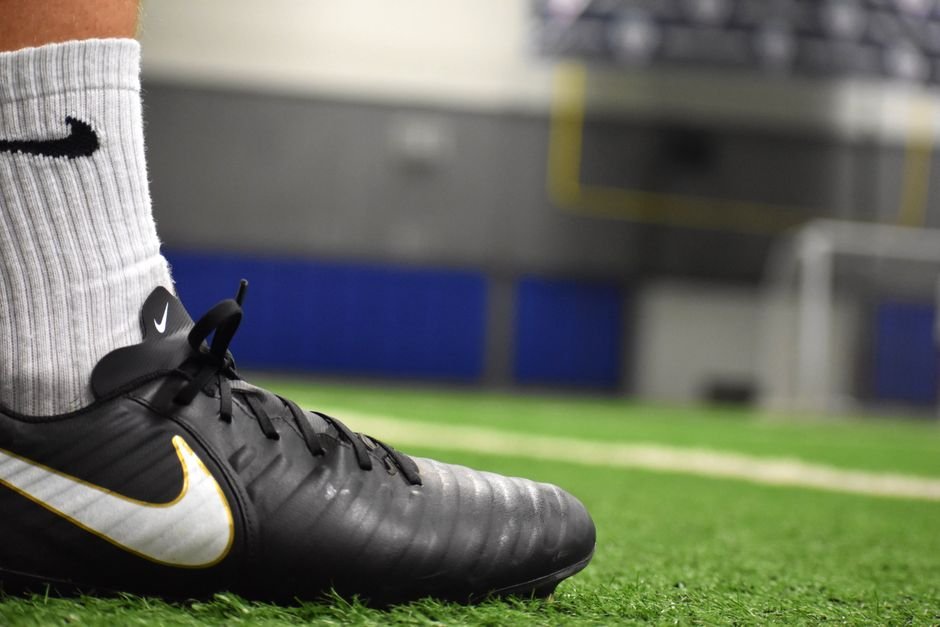
Soccer cleats typically range from $50 to $300, depending on their materials and technology. Understanding what soccer cleats are made of is crucial for achieving better comfort, durability, and traction on the field, which directly influences your performance.
Typically, soccer cleats consist of three main components: the upper, the sole, and the insole. Each element uses specific materials that contribute to the overall performance and feel of the shoe. Understanding what goes into making your cleats will help you make an informed decision and avoid pitfalls when selecting your next pair.

Key Materials Used in Soccer Cleats
The upper part of soccer cleats can be made from two primary materials: natural leather and synthetic leather. Natural leather has long been favored for its superior comfort and breathability. However, synthetic leather has gained popularity for its lightweight nature and water-resistant qualities. The sole of the cleat is equally important, usually made from rubber or polyurethane, providing necessary traction and stability on the field.
Let’s break it down:
- Natural Leather: Generally, kangaroo leather is the best option due to its softness and ability to mold to your foot, although it may wear out more quickly.
- Synthetic Leather: Offers a more affordable pricepoint, lighter weight, and often better water resistance, but lacks the luxurious feel of genuine leather.
- Rubber Sole: Provides solid grip and durability, commonly found in budget models.
- Polyurethane Outsole: More flexible than rubber and often used in higher-end models for enhanced performance.
Choosing Between Synthetic and Natural Leather
The debate between synthetic and natural leather comes down to personal preference and specific playing conditions. Natural leather cleats are fantastic for players who prioritize touch and feel on the ball; they provide a more traditional experience. However, they also require more care, particularly for water resistance.
If you’re playing in wet conditions often, you’ll want to invest in synthetic options, which can withstand moisture better.
Moreover, synthetic cleats are increasingly being designed with materials that mimic the comfort of leather while being easier to maintain. In fact, many players now prefer these as they offer a balance between affordability and performance. It’s essential to try different styles to see which one feels best for you.
Don’t get stuck in a rut; if you haven’t given synthetic a shot, it might be time to reconsider.

How the Outsole Influences Performance
One of the most overlooked aspects of soccer cleats is the outsole. The material and design of the outsole can have a significant effect on how you perform, especially during competitive play. Rubber outsoles tend to offer good grip on artificial turf, while polyurethane outsoles usually bring better traction on natural grass surfaces.
Furthermore, the style and configuration of the studs are also vital. Bladed studs can provide sharp traction for quick acceleration, while conical studs are better for multidirectional movements. If you frequently change directions on the field, conical studs will serve you better.
Always consider the playing surface and your style of play when selecting cleats, as these factors will significantly impact your effectiveness on the field.
Prioritizing Comfort and Fit
What’s often missed is that the materials used directly affect comfort. Even the best material won’t perform well if the fit is wrong. Many players often overlook this by choosing looks over comfort. You should always prioritize finding a well-fitting cleat, as an improper fit can lead to blisters and can affect your gameplay.
When trying on cleats, ensure there’s minimal wiggle room in the toe box, and your heel doesn’t lift excessively. Each brand can fit differently, so take your time to find the right one. You might even want to check out care tips later to maintain your cleats in top shape once you’ve made your purchase.
Price vs. Quality
Price is often a major deciding factor for many players; however, it’s vital to understand that you often get what you pay for with soccer cleats. Cheaper models might employ lower-quality materials that wear out faster, impacting your game negatively over time. On the other hand, high-quality cleats made from premium materials can provide better comfort, performance, and longevity.
If you’re serious about your game, investing in a quality pair is worthwhile, particularly if you’re playing regularly. Remember, your footwear is your most important piece of equipment. Skimping now can lead to paying exponentially through injuries or even a dip in performance. It’s worth doing your research and figuring out which cleats might suit your playing style the best.
For more specific recommendations, check out this article.
Final Verdict: Choose Wisely
For players who value comfort and luxury, natural leather cleats are the best choice. If you prefer something more durable and weather-resistant, synthetic cleats are the way to go. Consider your playing conditions and style closely to make an informed decision.
Frequently Asked Questions
What materials are soccer cleats made from?
Soccer cleats are primarily made from materials like leather, synthetic fibers, and rubber. Leather is often used for its durability and comfort, while synthetic materials provide lightweight options and various designs. Rubber is commonly used in the outsole for traction.
Why are synthetic materials used in soccer cleats?
Synthetic materials are popular in soccer cleats because they are lightweight, often water-resistant, and can be engineered for specific performance traits. They also allow for more vibrant designs and color choices. Additionally, they usually require less maintenance than leather.
How does cleat material affect performance?
The material of soccer cleats significantly affects performance by influencing weight, comfort, and traction. Lighter materials can enhance speed, while well-designed synthetic or leather options can provide better ball feel and support. The right material also impacts durability, which is crucial for how often a player can train and compete.
Is leather better for soccer cleats?
Leather cleats are often preferred for their supreme comfort, fit, and natural ball feel, making them a traditional choice among many players. However, they can be heavier and may not offer the same level of water resistance as synthetic options. Ultimately, the best choice depends on player preference and playing conditions.
Can the material of soccer cleats affect speed?
Yes, the material of soccer cleats can impact speed by influencing the overall weight of the shoe. Lighter materials can enhance agility and acceleration, allowing players to move more quickly on the field. Additionally, the design and grip of the material can optimize traction, which is essential for sprinting and quick direction changes.
Furthermore, what are soccer cleats made of has been transformed recently with innovations in design and manufacturing, bringing new technology to the forefront of the sport.

Leave a Reply