

Replacing soccer cleats every season can easily cost a player upwards of $100 or more. To avoid this expense, players need strategies to stretch the life of their footwear while maintaining their performance on the field. Extending the lifespan of soccer cleats requires a solid understanding of maintenance practices, protective measures, and proper use.
I’ve realized through experience that good maintenance routines and the right protective measures can enhance your cleats’ durability. They face significant challenges, like mud, turf, and even rough playing surfaces. If you want your soccer shoes to last beyond a season, follow my tips for care and protection.
Know Your Cleat Material for Better Care
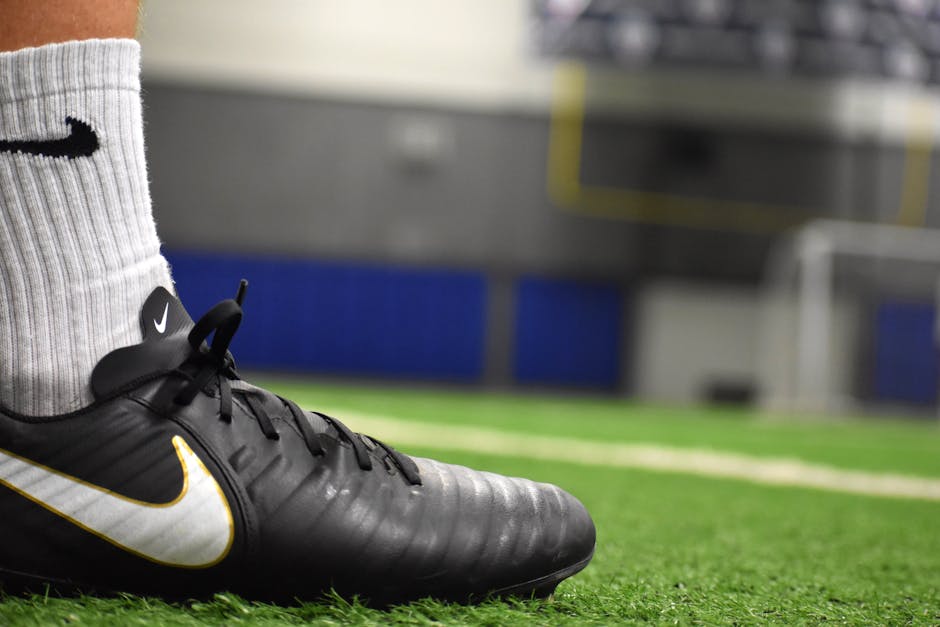
Soccer cleats come in various materials, each requiring specific care routines. Synthetic materials like polyurethane are durable yet can wear down due to exposure to dirt and moisture. Leather cleats offer excellent touch and comfort but can be sensitive to water and heat. My strong recommendation is to always check the manufacturer’s guidelines on maintenance.
For example, if you own leather cleats, remember that they need regular conditioning to prevent cracking. I use a leather conditioner every few weeks to keep mine supple. On the other hand, synthetic materials benefit from less aggressive cleaning, as harsh chemicals can cause fading or weakening of the fabric. Understanding your cleat’s material can significantly influence how you care for them.
Daily Maintenance Routine for Soccer Cleats
Daily maintenance might seem tedious, but it pays off. After each game, I gently remove mud and grass from my cleats with a soft brush. Many players rush this step; however, using low pressure can save the finer details and stitching of your cleats. If mud dries up, it becomes much harder to clean, leading to scrubbing that can weaken the material.
Additionally, ensure you air out your cleats after every use. Stuffing them in a bag can create a damp environment, perfect for bacteria and odor. Instead, I let mine breathe by keeping them outside my gear bag after practice. You’ll notice the difference in both odor and overall wear when you treat your shoes this way.
Proper Storage Makes a Difference
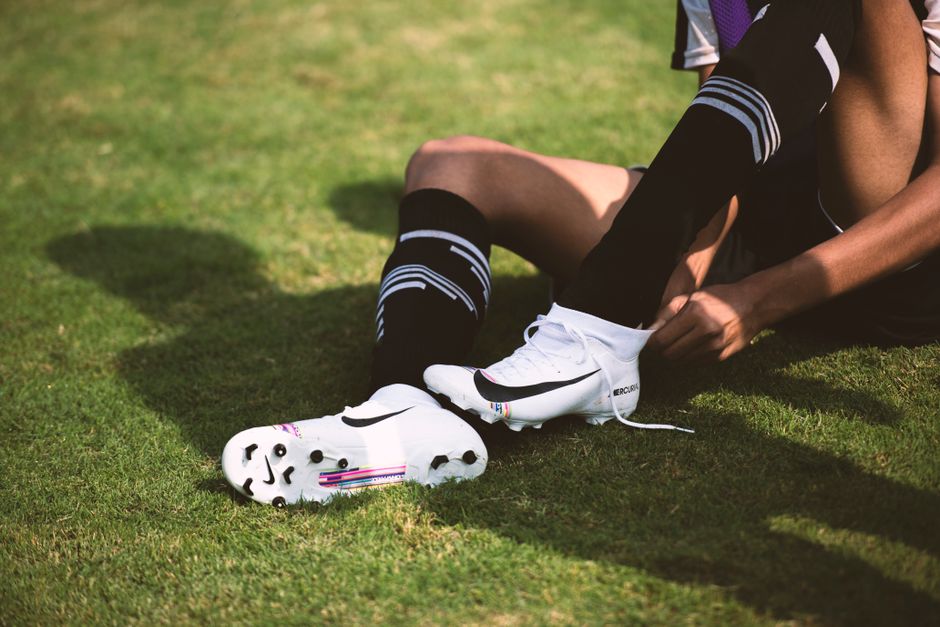
Where you put your cleats can impact their lifespan significantly. Storing my cleats in a warm, dry place is key. Avoid leaving them in your car, especially in hot weather, as the heat can warp or damage the materials. I always keep them in a designated space away from direct sunlight, as prolonged UV exposure leads to fading and deterioration of the materials.
Consider using cleat bags that provide breathability and additional padding while you travel. This step allows me to protect against accidental bumps or impacts. Clever storage choices can help you avoid untimely wear and tear.
Protective Measures to Consider
Investing in shoe protectors can go a long way. Apply waterproof sprays to synthetic cleats to enhance their resistance to moisture and dirt. I use a transparent, breathable spray that doesn’t alter the appearance yet offers a strong defense against the mud and rain on the field.
If you’re cautious about preventing damage, consider alternating your cleats. Having a second pair allows your primary cleats to rest and recover, which can significantly prolong their life. If you often play on different surfaces, like an artificial pitch, I suggest investing in a pair designed specifically for that type. Switching between pairs can tremendously reduce wear on a single set.
Performance vs. Preservation: Finding the Balance
There lies a fine line between maintaining performance and extending life. While keeping your cleats looking fresh is essential, remember that performance often trumps cosmetic appeal. Layered dirt can impact grip, so a balance of cleaning while being mindful of wear is crucial.
If you need to scrub harder to remove a stain, do so cautiously; the last thing you want is irreversible damage to the synthetic or leather.
When I notice my cleats reaching the end of their performance life, I don’t hesitate to replace them. It’s better to invest in a new pair than risk injury with worn-out footwear. Monitoring your cleats’ performance closely can help ascertain when it’s time for a new pair, as frustrating as that might be.
Conclusion: Invest in Care to Maximize Lifespan
Invest in quality shoe bags and moisture-absorbing inserts; they suit players keen on preserving their cleats during storage. Regular cleaning with appropriate products is crucial for all players, especially those frequently on turf. By prioritizing care routines specific to your playing conditions, your cleats will deliver reliable performance season after season.
Frequently Asked Questions
How can I make my soccer cleats last longer?
To extend the life of your soccer cleats regularly clean and dry them after use, ensuring they are free from dirt and moisture. Rotate between pairs if possible to give each pair time to breathe and maintain their shape.
What materials are best for durable soccer shoes?
Durable soccer shoes are typically made from synthetic materials like artificial leather or high-quality nylon, which offer better water resistance and longevity. Look for cleats with reinforced stitching and rubber soles for additional durability.
Why do soccer cleats wear out quickly?
Soccer cleats wear out quickly due to the intense friction from constant movement, changing directions, and gripping the ground on various playing surfaces. Exposure to moisture and muddy conditions can also accelerate wear and tear.
Can you repair worn-out soccer cleats?
Yes, worn-out soccer cleats can often be repaired, depending on the extent of the damage. Common repairs include fixing detached soles, replacing laces, or patching up holes, but severe damage may require new cleats.
What are common mistakes in cleat maintenance?
Common mistakes in cleat maintenance include not cleaning them regularly, using them on inappropriate surfaces, and storing them in damp places. Additionally, neglecting to replace worn-out parts or laces can lead to further issues with performance and safety.
When you want to learn more about how to extend the life of soccer cleats, following the guidelines and tips provided can offer valuable insights into their maintenance.
Leave a Reply