how often should you clean soccer cleats

How Often Should You Clean Soccer Cleats for Best Performance?

how often should you clean soccer cleats

How Often Should You Clean Soccer Cleats for Best Performance?

How often should you clean soccer cleats? Ideally, you should clean them after every game or practice to maintain optimal performance and prolong their lifespan. Regular maintenance prevents mud buildup and odor, ensuring both comfort and effective gameplay.

Here’s a detailed guide on how often you should clean your soccer cleatstailored to various playing habits.

Let’s explore the cleaning frequency and techniques to ensure your cleats remain in optimal condition.
Why Regular Cleaning Matters for Soccer Cleats

Immediate Care: Clean After Each Game or Practice

If you play soccer frequently, it’s crucial to clean your cleats after each game or practice. This routine prevents mud accumulation that can damage the materials and helps reduce odor formation. Visualize the difference between stepping into freshly cleaned cleats versus those left in your gear bag for weeks. Frequent cleaning ensures your performance stays uncompromised by unnecessary weight from grime.

Post-game, rinse off visible mud with a hose or under a faucet. This initial rinse dislodges larger particles. Follow up by wiping down the synthetic material with a damp cloth and a mild soap solution to keep them looking sharp and functional.

Weekly Maintenance: For Casual Players

If you’re a casual player who plays once a week, a weekly cleaning routine is vital. Many casual players overlook this and miss out on the benefits it offers. Designate a specific cleaning day; treating it as part of your routine ensures you don’t forget.

Regular cleaning helps ward off foul smells and lengthens the life of your cleats. Pay special attention to the studs, where mud can hide and harden, making it tougher to clean over time. Investing time in regular maintenance ultimately saves you from larger headaches down the line.

Managing Odors: Proper Drying Techniques

Odor buildup can be a major issue for soccer players. A common mistake is neglecting proper drying. Always allow your cleats to dry completely after each cleaning to prevent mold and mildew. Avoid direct heat, as it can warp the materials; instead, stuff them with newspaper or use a boot dryer for effective moisture removal.

Once dry, consider adding baking soda or using odor-fighting insoles to maintain freshness. This simple step ensures you step onto the field without the worry of unpleasant smells.

Material-Specific Care: Synthetic vs. Leather Cleats

The material of your cleats plays a significant role in how often and how you should clean them. Synthetic cleats generally require less delicate care and can handle more aggressive cleaning methods. On the other hand, leather cleats need a gentler approach. I find synthetic options preferable due to their lightweight design and easier maintenance.

For tough stains on leather cleats, use a soft brush or cloth with a specialized leather cleaner. Regular application of leather conditioner also protects the material from cracking and dehydration.
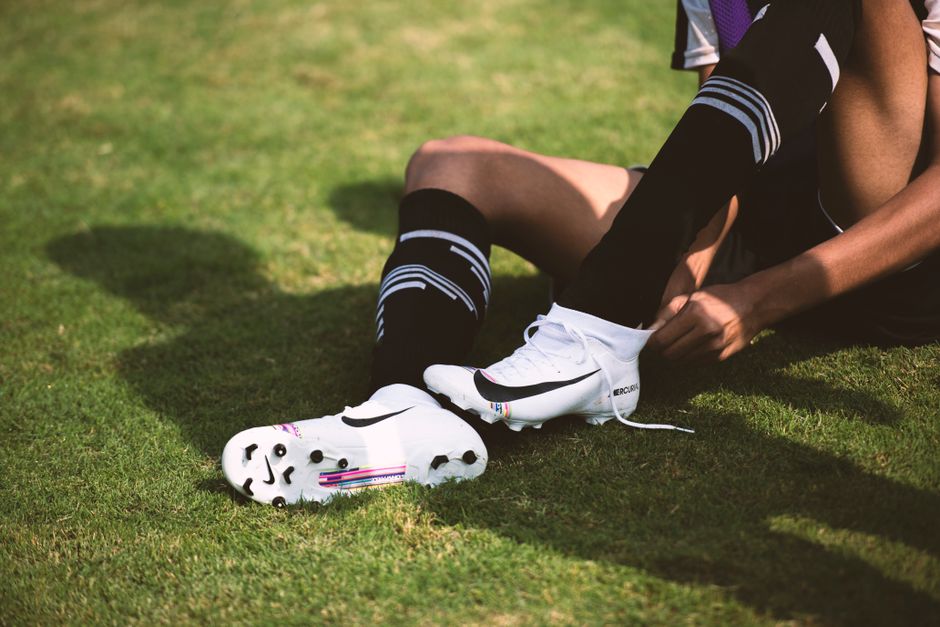
Best Products for Cleaning Different Materials

Establishing Your Cleaning Routine

Creating a consistent cleaning routine tailored to your playing frequency is crucial. Clean your cleats after every game for frequent players and set a weekly schedule for casual players. Focus on proper drying techniques to reduce odors and choose cleaning methods aligned with the material of your cleats. This ensures optimal performance as well as the durability and appearance of your gear.

Ultimately, everyone prefers to gear up with clean, fresh shoes.

For additional insights on selecting the right cleats or comparing materials, check out my guides on molded vs. metal studs and leather vs. synthetic soccer cleats. Proper care starts with understanding how often should you clean soccer cleats effectively!

FAQ Section

How often should I really clean soccer cleats? Ideally, after every game or practice to maintain hygiene, but if you’re playing less frequently, a weekly routine will work.

What’s the quickest way to remove mud from cleats? Rinse them with water immediately after play, then wipe them down with a damp cloth and mild soap.

Can I use heat to dry my cleats quickly? No, avoid direct heat; it can warp the material. Instead, use newspaper or a boot dryer.

What can I do about odors in my cleats? Ensure they dry completely, and consider using baking soda or odor-fighting insoles for prevention.

Is there a difference in cleaning methods for synthetic vs leather cleats? Yes, synthetic materials can handle more aggressive cleaning methods, while leather requires gentler care with specialized products.
41 responses to “How Often Should You Clean Soccer Cleats for Best Performance?”

  1. […] material of your soccer cleats plays a crucial role in performance and comfort. Leather cleats tend to conform better to your foot […]

  2. […] HRJR Kids Soccer Cleats deliver both support and style for young players, with a breathable upper that keeps feet cool […]

  3. […] selecting youth soccer cleatsthe most important considerations are fit, traction technology, and material durability. A […]

  4. […] Soccer cleats typically come in three primary stud patterns: firm ground, soft ground, and turf. Firm ground cleatsthe most versatile and commonly used, suit natural grass fields under average conditions. They feature either conical or bladed studs to optimize traction. […]

  5. […] primary function of soccer cleats is to provide traction. This is vital for quick movements, sudden stops, and sharp turns. On grass, […]

  6. […] choosing soccer cleatsthree critical factors come to mind: arch support, fit, and cushioning. It’s essential to find […]

  7. […] the cleanest soccer cleats can develop odors over time. To prevent this, regularly air out the insoles by removing them. After […]

  8. […] Soccer cleats may feel too tight due to several factors, including the design of the shoe, your foot shape, or the use of materials that don’t stretch. Additionally, they can feel tighter if you have not broken them in properly, as most new cleats need some time to conform to your foot. […]

  9. […] selecting youth soccer cleatsyou should prioritize the fit, traction on grass, and overall comfort. A snug fit without being too […]

  10. […] choosing soccer cleats for speed, consider the cleat’s weight, fit, and traction technology. A lighter boot […]

  11. […] selecting soccer cleatsprioritize fit, traction, and weight. A snug fit is crucial for responsiveness, while effective […]

  12. […] selecting soccer cleatsthe most important factors to consider include the type of surface you’ll be playing on, whether […]

  13. […] delve into the specific methods to store soccer cleats correctly. You’ll discover how to keep odors at bay, deal with wet footwear, and ultimately […]

  14. […] unisex soccer cleats are designed with a high-top construction that provides additional protection against sprains. The […]

  15. […] at the range of choices for soccer gear, you might also want to check how to maintain synthetic soccer cleats for longevity or familiarize yourself with tips for cleaning turf soccer cleats without […]

  16. […] first factor to consider is whether your cleats are suitable for the playing surface. Soccer cleats are categorized based on their design: firm ground, soft ground, artificial turf, and indoor. For […]

  17. […] socks and walk or jog in them to assess comfort properly. For further insights on choosing soccer cleatscheck “What to Look for in Soccer Cleats for Optimal Performance” for additional […]

  18. […] these factors in mind, let’s explore some great choices for quality soccer cleats without breaking the […]

  19. […] the incorrect soccer cleats can severely limit mobility and grip. A boot that doesn’t fit or lacks the right traction can […]

  20. […] you search for soccer cleatskeep an eye out for models that offer excellent traction on wet surfaces, reliable cushioning for […]

  21. […] selecting soccer cleatsthe most critical factors to consider are the type of surface you’ll primarily play on, the […]

  22. […] choosing soccer cleatsit’s crucial to focus on their weight, traction technology, and level of ankle support. […]

  23. […] clean soccer cleats properly, remove any dirt and mud with a soft brush or cloth. Then, use a mixture of warm water and […]

  24. […] soccer cleats made from heavy leather, while protective, restricted agility and contributed to player fatigue. […]

  25. […] address common complaints and arm you with solutions to troubleshoot soccer cleats that […]

  26. […] advancements in traction technology have transformed soccer cleats. Many brands today focus on hybrid stud patterns, which help players get the best of both worlds. […]

  27. […] factors to consider when selecting soccer cleats include a comfortable fit, excellent traction and grip for quick movements, a lightweight design […]

  28. […] materials significantly impact the pricing of soccer cleats. Premium models often feature synthetic uppers designed to replicate leather’s feel while […]

  29. […] is essential when selecting soccer cleatsespecially during extended matches. Leather cleats naturally adapt to your foot’s shape, promoting […]

  30. […] numerous options based on expert opinions and parental feedback, I have identified the best soccer cleats that blend comfort, durability, and affordability for young […]

  31. […] choosing encapsulated soccer cleatsprioritize a fit that is snug yet comfortable, enhancing stability and agility. Consider the […]

  32. […] write-up on often should you clean picks up where this leaves […]

  33. […] Finding cleats that balance these important features can be challenging. With various brands innovating their designs, it’s essential to understand the latest trends and what you should prioritize when investing in your next pair of soccer cleats. […]

  34. […] soccer cleats consist of three main components: the upper, the sole, and the insole. Each element uses specific […]

Leave a Reply

Your email address will not be published. Required fields are marked *

Olivia

Carter

is a writer covering health, tech, lifestyle, and economic trends. She loves crafting engaging stories that inform and inspire readers.

Explore Topics