
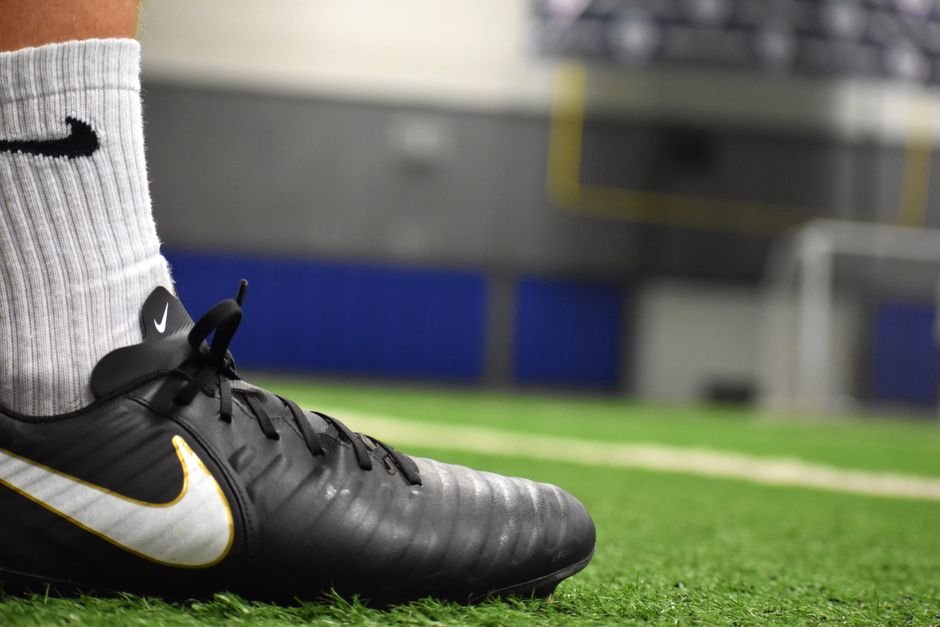
A quality pair of soccer cleats can cost anywhere from $50 to over $300, and they can completely transform your game. The right cleats provide essential traction, comfort, and support, which can be the deciding factors in your performance on the field.
Each aspect of a soccer cleat impacts your overall game. From the type of traction they provide to how well they support your foot, every detail counts. The ideal cleats allow you to focus on your skills rather than the discomfort of inadequate footwear or slipping on the field.

How Soccer Cleats Enhance Performance
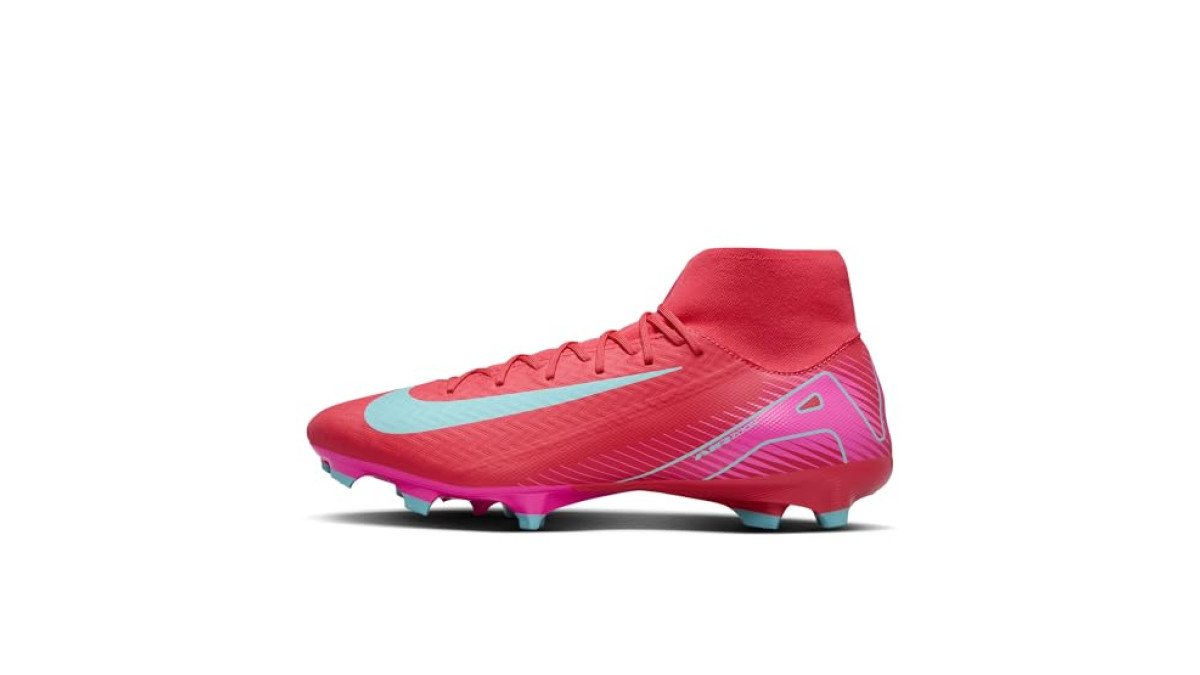
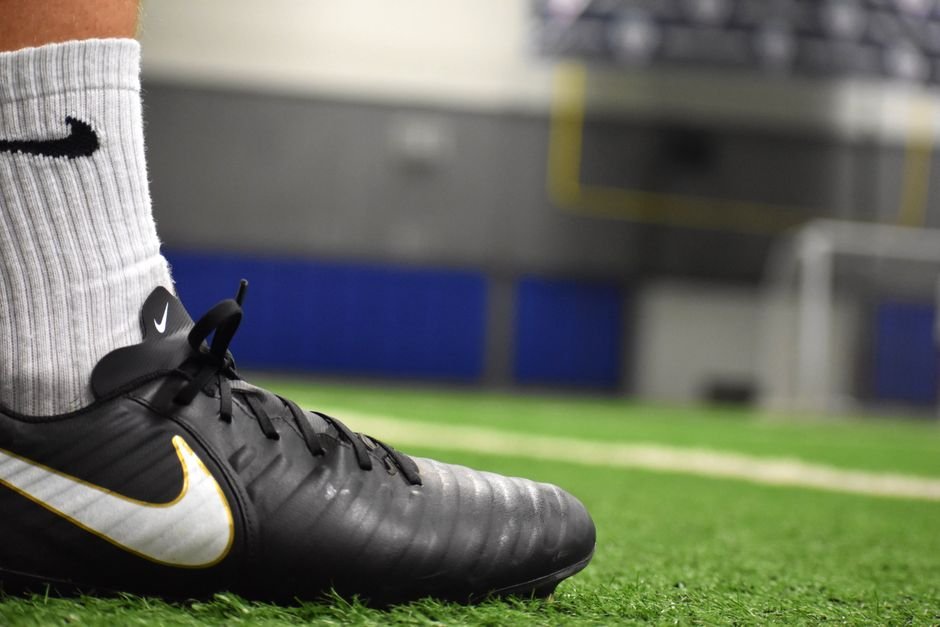
The primary function of soccer cleats is to provide traction. This is vital for quick movements, sudden stops, and sharp turns. On grass, you want cleats with longer studs to dig into the soil and prevent slipping. Conversely, on artificial turf, shorter studs work better for grip without getting stuck. Trust me; slipping during high-stakes moments is less than ideal.
Another crucial factor is comfort. A well-fit cleat accommodates your foot’s shape, reducing the risk of blisters or foot fatigue. In my experience, cleats that hug my foot without being too tight allow me to maintain speed and agility throughout a match. The last thing you need is to be sidelined by discomfort.
Foot support is essential, especially for those who are prone to injuries. Cleats with better arch support help align your foot properly and reduce strain on your muscles and joints. Opt for options that provide that stability and support; they enable you to perform at your peak without worrying about aches and pains.
Choosing the Right Cleats for Different Surfaces
Before you purchase cleats, consider the playing surface. Grass, turf, and indoor surfaces each require different types of cleats. As mentioned earlier, grass cleats generally feature longer, more pronounced studs while turf cleats have shorter, more numerous studs to enhance grip. Indoor soccer shoes are more about flat soles for quick movements without the risk of slipping on slick surfaces.
It’s worth mentioning that some players try to use their grass cleats on turf, but this can lead to injury. I recommend sticking to the appropriate cleats for each surface type. If you want to perform your best, invest in dedicated footwear for grass and turf.

Recognizing Quality and Comfort Features
When shopping for soccer cleatslook for features that enhance comfort and performance. Materials like synthetic uppers provide lightweight breathability. This feature is vital during scorching summer games. Additionally, examine the cushioning in the sole; thicker padding can absorb impact better, which is crucial on harder surfaces.
It’s also essential to pay attention to how the cleats fit. Not everyone’s feet are the same, and different brands offer various fits. Trying on multiple pairs is key. If you’re dealing with any discomfort, don’t hesitate to look for options with more cushioning or adjustability.
Lastly, consider the weight of the cleats. Lighter options can provide an edge in speed, especially during sprinting. However, this shouldn’t come at the cost of support. I’ve found that striking a balance between lightweight and supportive materials gives me the edge I need on the field.
The Cost of Inadequate Cleats
Investing in quality soccer cleats might seem pricey upfront, but think of it as a long-term investment. Poor-quality cleats can lead to injuries that sideline you, both physically and financially. I once saved a little money by going for cheaper cleats, only to find myself dealing with blisters and ultimately needing a more expensive pair shortly after.
Don’t overlook the hidden costs of medicine for injuries due to inadequate support or traction. Choosing the right pair isn’t just a matter of preference but also about maintaining your performance and longevity in the game.
The Verdict: What to Choose
For optimal performance, I recommend two pairs of cleats: one with cleats designed for natural grass and another with molded soles for turf. This choice caters to various playing conditions and significantly reduces the likelihood of injury.
Frequently Asked Questions
Why do soccer players wear cleats?
Soccer players wear cleats to enhance their grip on the field, which helps them accelerate, turn, and stop quickly. The design of the cleats allows for better traction on various playing surfaces, improving overall performance during the game.
How do cleats affect soccer performance?
Cleats can significantly affect a player's performance by influencing their stability, speed, and agility on the field. The right cleats can provide the necessary support and traction to maximize a player's movement and control of the ball.
Can the wrong cleats cause injury?
Yes, wearing the wrong cleats can lead to injuries such as ankle sprains or foot pain due to improper support and traction. It's important for players to choose cleats that fit well and are suitable for the playing surface to reduce the risk of injuries.
What makes soccer cleats different?
Soccer cleats are specifically designed with a lightweight structure, low profile, and various stud configurations tailored for optimal traction and ball control. They also prioritize a snug fit around the foot for enhanced touch and feel, differentiating them from other types of athletic footwear.
Are expensive soccer cleats worth it?
Expensive soccer cleats often provide advanced technology, better materials, and improved performance features that can enhance a player's game. However, the value ultimately depends on the player's needs and preferences, as there are also quality options available at lower price points.
Leave a Reply