
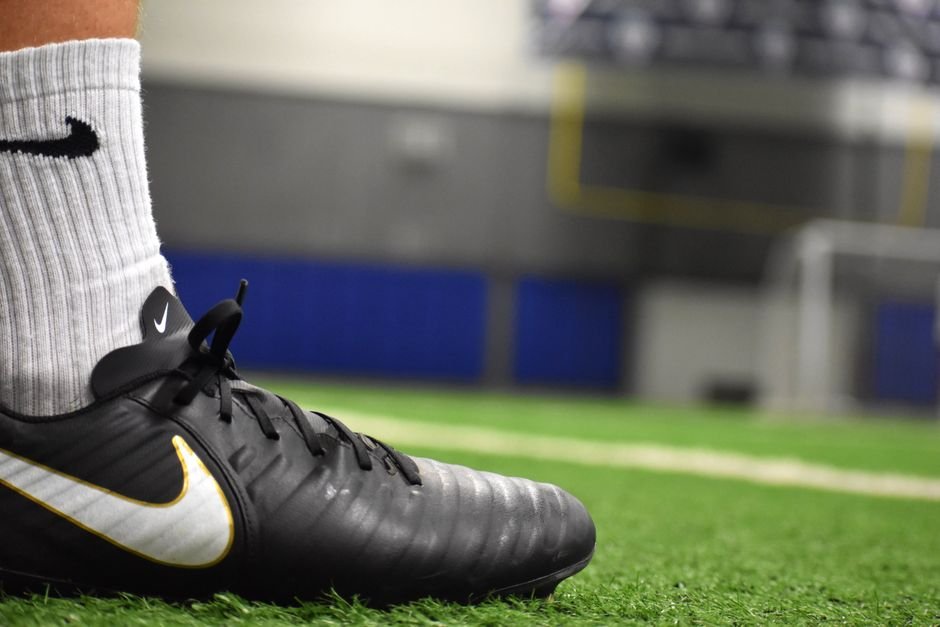
Troubleshooting soccer cleats slipping starts with ensuring you have the right studs for your playing surface; for instance, using FG cleats on wet grass can lead to poor traction. Slipping on the field can significantly impact your performance, but by pinpointing the issue and making necessary adjustments, like switching to the appropriate cleat type or tightening your laces, you can regain stability and confidence during the game.
Your cleats’ performance is closely tied to the playing surface. Different surfaces, such as wet grass or muddy fields, require specific cleat designs to provide optimal grip. If you’re experiencing slipping, it’s essential to analyze the problem and implement the correct fixes. Below, we’ll explore the most common causes of slipping and how to address them.

Matching Your Cleats to the Playing Surface
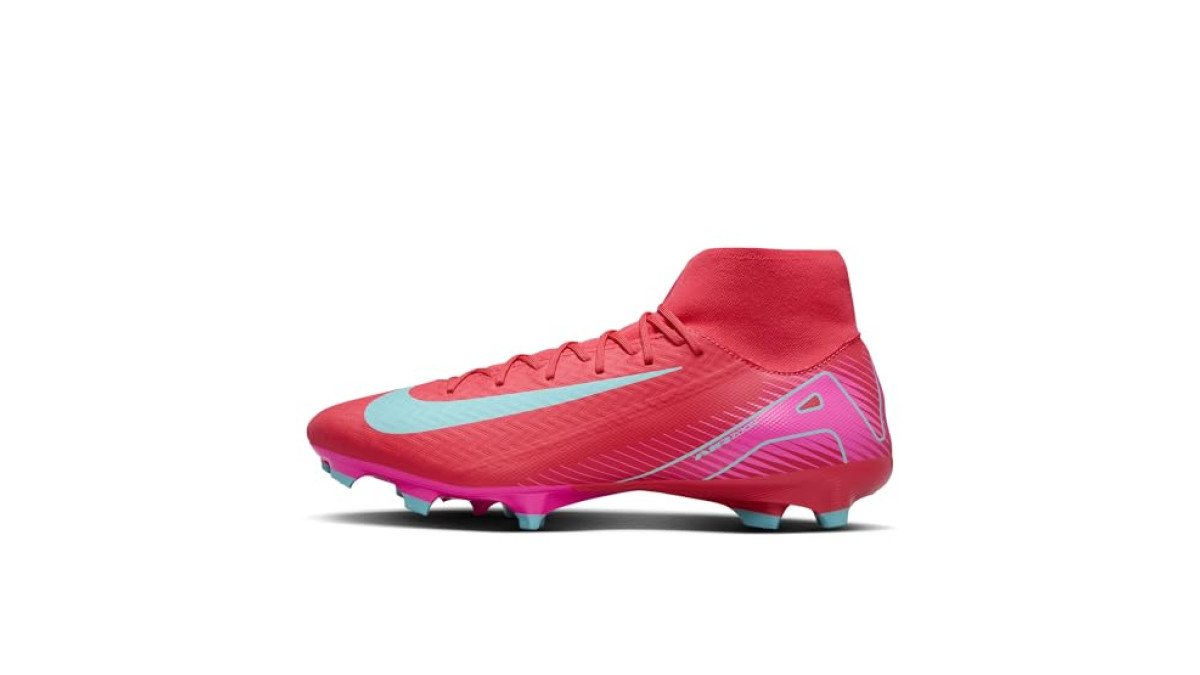
The first factor to consider is whether your cleats are suitable for the playing surface. Soccer cleats are categorized based on their design: firm ground, soft ground, artificial turf, and indoor. For example, using firm-ground cleats on muddy fields can lead to slipping due to inadequate traction.
Choosing the right cleat for the conditions is vital; cleats with longer, conical studs are more effective on soft surfaces, while shorter, bladed studs work better on firm, dry pitches. Understanding these differences can significantly improve your grip.
Ensuring the Right Size and Fit
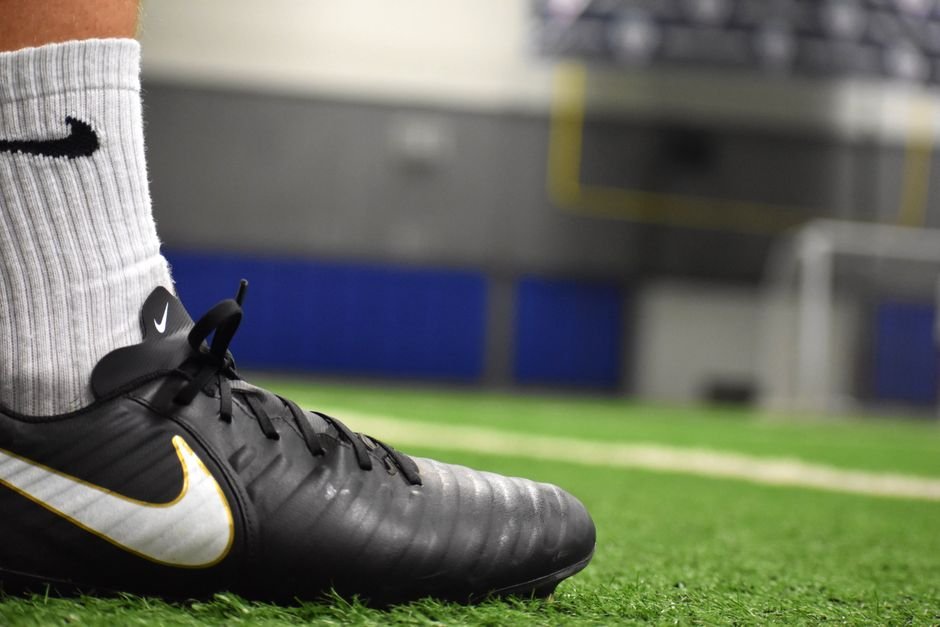
A poor fit is another common reason for slipping. If your cleats are too loose, even the best traction can fail. A snug fit is essential; it ensures your foot is stable without excessive movement inside the shoe. A tight fit might feel uncomfortable initially, but it is critical for stability during quick cuts and stops.
To ensure you’re selecting the correct size, try on cleats with the socks you’d wear in-game. Move around and check for any unnecessary shifting that could lead to slipping.

Enhancing Cleat Traction
Once you’ve determined that your cleats are appropriate for the surface and fit, the next step is to enhance traction. Start by keeping your cleats clean; mud and grass buildup can significantly lessen grip effectiveness. Regularly cleaning your cleats can lead to noticeable improvements.
If cleaning does not resolve the issue, consider traction pads or sprays designed to boost grip on your existing footwear. These products can temporarily improve traction without requiring a change in cleats and have been effective for many players looking to enhance their performance in challenging conditions.
Knowing When to Purchase New Cleats
If you’ve explored all options and still encounter slipping, it may be time to invest in new cleats. Look for models specifically designed for the surfaces you commonly play on. Brands regularly innovate to provide options with advanced traction technologies, minimizing slipping issues dramatically. Although it may seem inconvenient, having the right gear can enhance your game significantly.
Researching reviews and feedback from other players in your area can also guide your choice. Learning which cleats perform best under similar conditions can save you both time and money.
The goal is straightforward: find the cleats that align with your playing surface and foot structure. This alignment can boost your confidence on the field and help elevate your performance during matches.
Your Best Choices
To avoid slipping, prioritize cleats targeted at your playing conditions, ensure a proper fit, and maintain your cleats regularly. If you still struggle with traction after trying these tips, consider investing in cleats with advanced technology tailored to your needs. With the right combination, you’ll feel secure every time you step onto the field.
Frequently Asked Questions
How can I improve grip on soccer cleats?
To improve grip on soccer cleatsyou can apply traction spray designed for athletic footwear, or consider using silicone-based products that enhance surface friction. Additionally, keeping the cleats clean and free from mud or debris can significantly improve traction on the field.
Why are my soccer cleats slipping?
Soccer cleats can slip due to improper stud design for the playing surface, worn-out studs, or a buildup of mud and grass that reduces traction. If your cleats are too large or not fitted properly, this can also contribute to slipping while playing.
Can you modify cleats for better traction?
Yes, you can modify cleats for better traction by changing the studs or adding additional grip-enhancing products, like traction pads. Some players opt to use aftermarket studs designed for specific conditions, such as softer ground or wet fields.
What materials help soccer cleats grip?
Materials like rubber, polyurethane, and certain synthetic compounds are commonly used in soccer cleats to enhance grip. The design of the studs, including their shape and arrangement, also plays a critical role in maximizing traction on different playing surfaces.
Is there a product to stop soccer cleats from slipping?
Yes, there are various products available, such as traction sprays and grip socksspecifically formulated to reduce slipping in soccer cleats. Brands often produce specialized cleat grips that can be applied to both the sole and upper parts of the cleat to enhance overall stability and traction.
Leave a Reply