
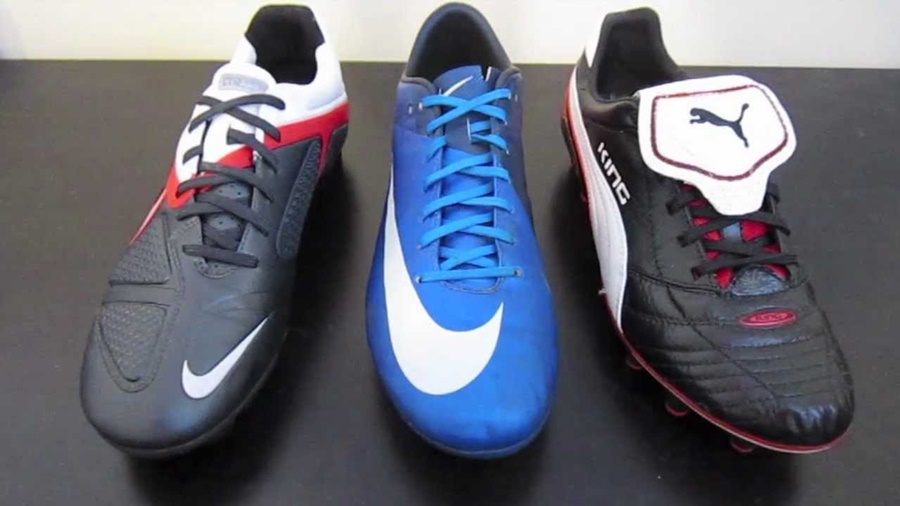
Soccer cleats are one of the most important pieces of equipment for any player. The right pair can improve comfort, ball control, speed, and overall performance on the field. When shopping for soccer cleats, players often face a common question: Should I choose leather or synthetic soccer cleats?
Both materials have unique advantages and disadvantages. While leather cleats are known for their comfort and natural feel, synthetic cleats are praised for their lightweight construction and durability. Understanding the differences between the two can help players make the best choice based on their playing style, position, and budget.
Understanding Leather Soccer Cleats
Leather soccer cleats have been a popular choice for decades. Traditionally made from kangaroo leather, calfskin, or full-grain leather, these cleats are valued for their soft texture and exceptional comfort.
Advantages of Leather Soccer Cleats
1. Superior Comfort
One of the biggest benefits of leather cleats is their comfort. Leather naturally molds to the shape of the foot over time, creating a customized fit. This helps reduce pressure points and improves overall comfort during long matches and training sessions.
2. Excellent Ball Control
Leather provides a soft touch on the ball, allowing players to feel more connected during passing, dribbling, and shooting. Many midfielders and technical players prefer leather cleats because of the enhanced touch they offer.
3. Natural Flexibility
Leather stretches and adapts to foot movements, providing greater flexibility than many synthetic materials. This flexibility can improve mobility and reduce discomfort during intense play.
4. Premium Feel
Many professional and experienced players appreciate the traditional, high-quality feel of leather cleats. The material offers a classic soccer experience that remains popular despite advancements in synthetic technology.
Disadvantages of Leather Soccer Cleats
1. Heavier Weight
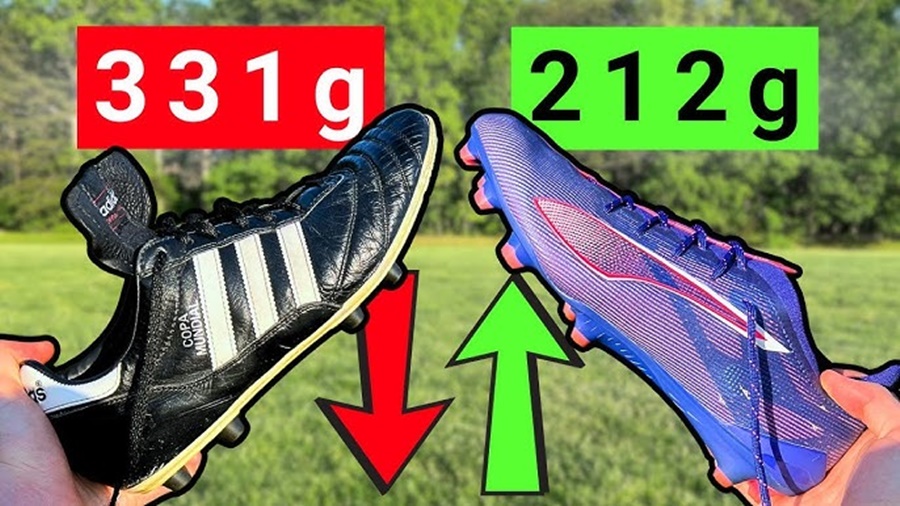
Leather cleats are generally heavier than synthetic models. While the difference may seem small, players who rely on speed and quick acceleration may notice the extra weight.
2. Water Absorption
Leather can absorb moisture during wet weather conditions. This may make the cleats heavier and reduce comfort during rainy matches.
3. Higher Maintenance
Leather requires regular cleaning and conditioning to maintain its quality. Without proper care, the material may dry out, crack, or lose its shape.
4. Higher Cost
Premium leather cleats are often more expensive than synthetic alternatives, making them less attractive for budget-conscious players.
Understanding Synthetic Soccer Cleats
Synthetic soccer cleats are made from engineered materials such as polyurethane, microfiber, and knit fabrics. Advances in technology have significantly improved the quality and performance of synthetic cleats in recent years.
Advantages of Synthetic Soccer Cleats
1. Lightweight Design
One of the most notable benefits of synthetic cleats is their lightweight construction. Manufacturers can create extremely thin yet durable materials that help players move faster on the field.
2. Better Weather Resistance
Synthetic materials do not absorb water like leather. This helps maintain consistent weight and performance in wet conditions.
3. Greater Durability
Many synthetic cleats are highly resistant to wear and tear. They often maintain their shape longer and require less maintenance than leather models.
4. Variety of Features
Modern synthetic cleats are available with innovative technologies such as textured uppers, knitted collars, and advanced traction systems designed to enhance performance.
5. More Affordable Options
Synthetic cleats are available across a wide range of price points, making them accessible for beginners, youth players, and recreational athletes.
Disadvantages of Synthetic Soccer Cleats
1. Less Natural Feel
Although technology has improved significantly, synthetic materials may not provide the same soft, natural touch as leather.
2. Reduced Stretch
Synthetic materials generally do not stretch as much as leather. Players must ensure they choose the correct size because the cleats are less likely to adapt to foot shape over time.
3. Potential Comfort Issues
Some lower-quality synthetic cleats may feel stiff and require a longer break-in period compared to leather models.
Leather vs Synthetic: Key Comparison
| Feature | Leather Cleats | Synthetic Cleats |
|---|---|---|
| Comfort | Excellent | Good to Excellent |
| Ball Touch | Superior | Very Good |
| Weight | Heavier | Lighter |
| Water Resistance | Lower | Higher |
| Durability | Good | Very Good |
| Maintenance | High | Low |
| Price | Higher | More Affordable |
| Break-In Period | Short | Varies by Model |
Which Players Should Choose Leather Cleats?
Leather soccer cleats are often ideal for:
- Midfielders who prioritize ball control
- Players seeking maximum comfort
- Athletes with wider feet
- Traditionalists who prefer a natural feel
- Players willing to maintain their footwear regularly
The soft touch and customized fit make leather an excellent choice for technical players who value comfort and precision.
Which Players Should Choose Synthetic Cleats?
Synthetic soccer cleats are often best for:
- Wingers and forwards who rely on speed
- Players who frequently compete in wet conditions
- Athletes looking for lightweight footwear
- Budget-conscious buyers
- Players seeking modern performance technologies
The reduced weight and weather resistance make synthetic cleats particularly attractive for fast-paced, attacking players.
The Rise of Modern Synthetic Technology
In the past, leather clearly outperformed synthetic materials in terms of comfort and touch. However, modern synthetic technologies have narrowed the gap considerably. Many top professional players now wear synthetic cleats because manufacturers have developed materials that closely mimic the softness and responsiveness of leather while offering greater durability and lighter weight.
As a result, the choice between leather and synthetic cleats is no longer as straightforward as it once was. Personal preference now plays a larger role than ever before.
Conclusion
There is no universal winner in the leather versus synthetic soccer cleat debate. The best option depends on your priorities as a player.
Choose leather soccer cleats if comfort, natural touch, and a personalized fit are your top concerns. They provide a classic soccer experience and exceptional ball feel that many players still prefer.
Choose synthetic soccer cleats if you value lightweight performance, durability, weather resistance, and modern technology. They are often better suited for players who prioritize speed and low-maintenance equipment.
Ultimately, the ideal soccer cleat is the one that fits your feet comfortably and supports your playing style. Trying different models and materials can help you determine which option delivers the best performance on the field.
Leave a Reply