
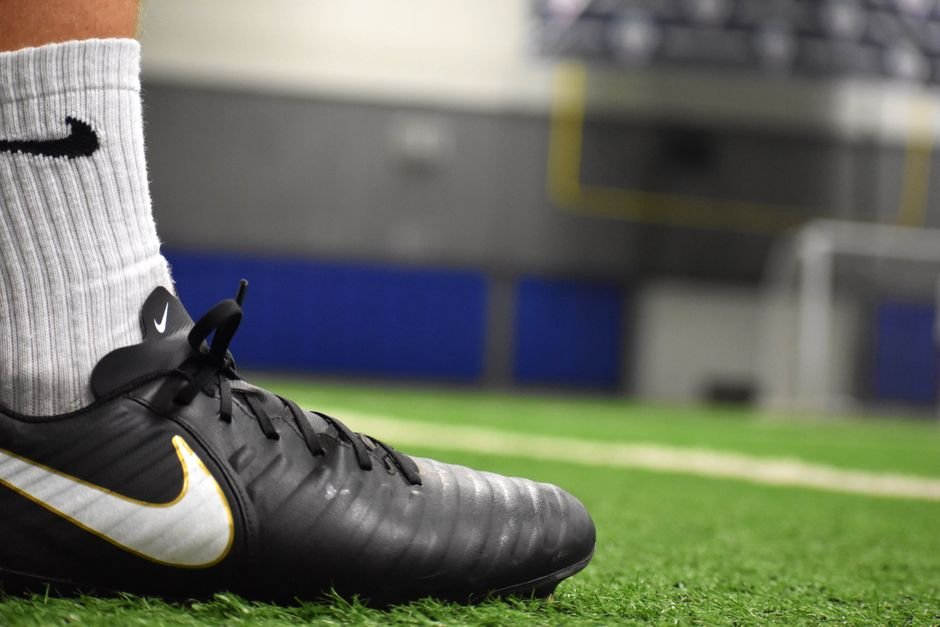
Soccer cleats are designed with different studs for various playing surfaces and styles, allowing for optimal traction, stability, and control. Choosing the right soccer cleats can significantly impact your game; the stud pattern is a key component of this decision. Understanding these differences, specifically, how they affect your performance, can enhance your game on the field.
Many players, especially those new to the sport, often overlook the importance of stud type. However, the right studs can prevent slips that lead to injuries. This article clarifies how soccer cleat studs function and why they go beyond mere aesthetics.

The Importance of Stud Patterns
Stud patterns are specifically designed for different field types. For example, firm ground (FG) cleats usually feature conical or bladed studs that provide traction and allow for quick rotational movements. In contrast, soft ground (SG) cleats have longer and more widely spaced studs, effectively gripping muddy or wet surfaces.
If you’ve ever felt your foot slide during a sharp turn, you know how crucial stud design is for stability. Selecting a stud pattern tailored to specific field conditions can drastically enhance your performance. Using cleats with the wrong studs not only decreases traction but may also result in injuries from slips.
Variations in Soccer Cleat Studs
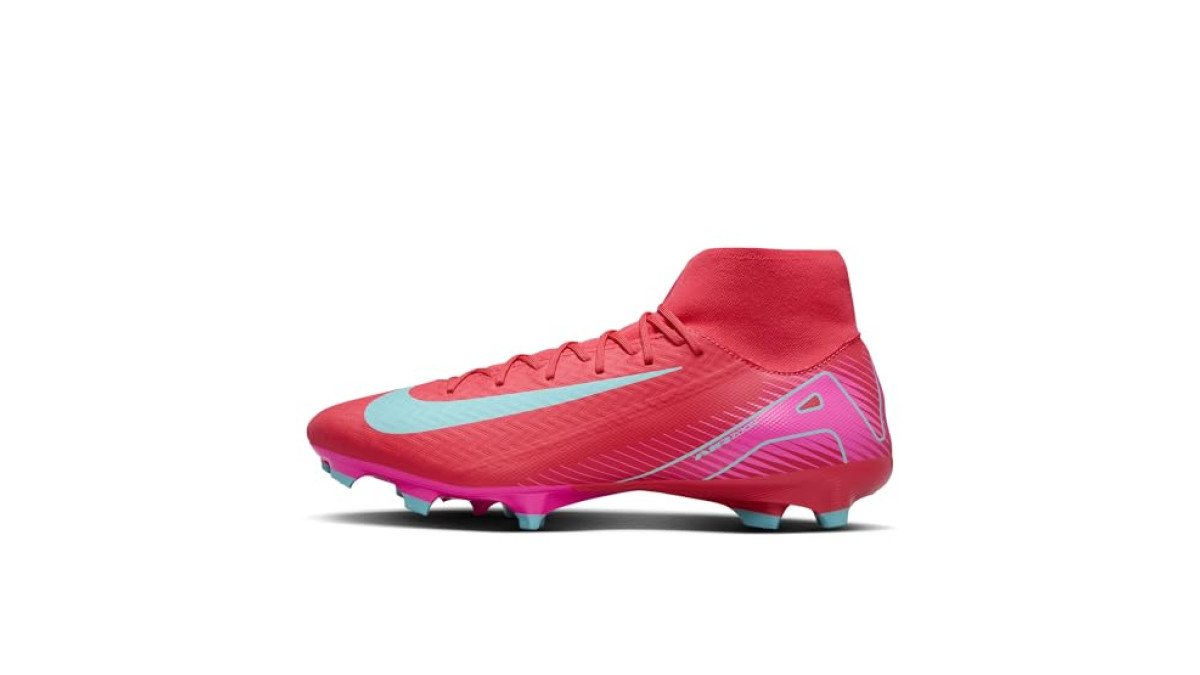
Soccer cleats typically come in three primary stud patterns: firm ground, soft ground, and turf. Firm ground cleatsthe most versatile and commonly used, suit natural grass fields under average conditions. They feature either conical or bladed studs to optimize traction.
Soft ground cleats excel on slippery surfaces, often consisting of longer metal studs that dig deeper into the field for superior grip. Turf cleats are designed for artificial surfaces with shorter, smaller studs that provide stability on hard ground.
Whether playing on grass or artificial turf, selecting the correct stud pattern can significantly impact your style of play.

How Stud Patterns Affect Performance
The effectiveness of your soccer cleats is heavily influenced by their stud patterns. Rounded studs on firm ground cleats facilitate smooth lateral movements, essential for quick footwork. On the other hand, taller studs on soft ground cleats provide the grip necessary to maintain footing during sudden accelerations.
Switching to the right stud design can markedly improve performance. For instance, using soft ground cleats during wet conditions enhances sprint speed and stability. For those frequently playing on diverse fields, having at least two types of cleats, one for firm ground and another for soft ground, can be advantageous.
Selecting the Right Studs for Your Needs
If you’re finding your current cleats inadequate, reassess your choices based on pitch conditions. Regularly playing on muddy grass warrants soft ground cleats, while dry grass or turf demands firm ground or turf shoes.
While it’s tempting to stick with one pair, utilizing the right studs for various conditions improves performance and minimizes injury risk. A mismatch can compromise both your gameplay and safety.
Final Verdict: Best Choices for Soccer Cleats
Match your cleat type to field conditions for optimal performance. While favorite cleats are great, possessing reliable firm ground cleats alongside soft ground cleats is crucial to handle various scenarios. Ignoring this step could affect performance and increase your risk of injury.
- Firm Ground cleats for dry, natural grass.
- Soft Ground cleats for wet, muddy conditions.
- Turf cleats for artificial surfaces or hard ground.
Investing in the appropriate soccer cleats based on stud patterns not only enhances your gameplay but also reduces the likelihood of injury caused by slipping or losing traction.
Frequently Asked Questions
Why do soccer cleats have metal studs?
Metal studs provide better traction on natural grass surfaces, allowing players to maintain stability while making quick turns and sprints. They are often more durable than plastic studs, making them suitable for various playing conditions.
How do cleat stud patterns affect performance?
Cleat stud patterns are designed for specific playing styles and field conditions, influencing grip and agility. A well-chosen stud pattern can enhance a player’s ability to accelerate, change direction, and maintain balance.
What type of cleats are best for wet fields?
For wet fields, cleats with longer and often wider studs or a combination of both are ideal, as they provide better traction in slippery conditions. Specifically, cleats designed for soft ground or mud can help prevent slipping during play.
Do different surfaces need different cleats?
Yes, different surfaces such as firm ground, soft ground, and artificial turf require specific stud types and patterns to optimize performance and safety. Using the appropriate cleats helps enhance traction and prevents injuries.
Can you use outdoor cleats indoors?
Outdoor cleats are generally not recommended for indoor use, as they can damage the playing surface and may not provide the necessary grip. Indoor soccer cleats are designed specifically for smooth surfaces, offering the right balance of traction and support.

Leave a Reply