
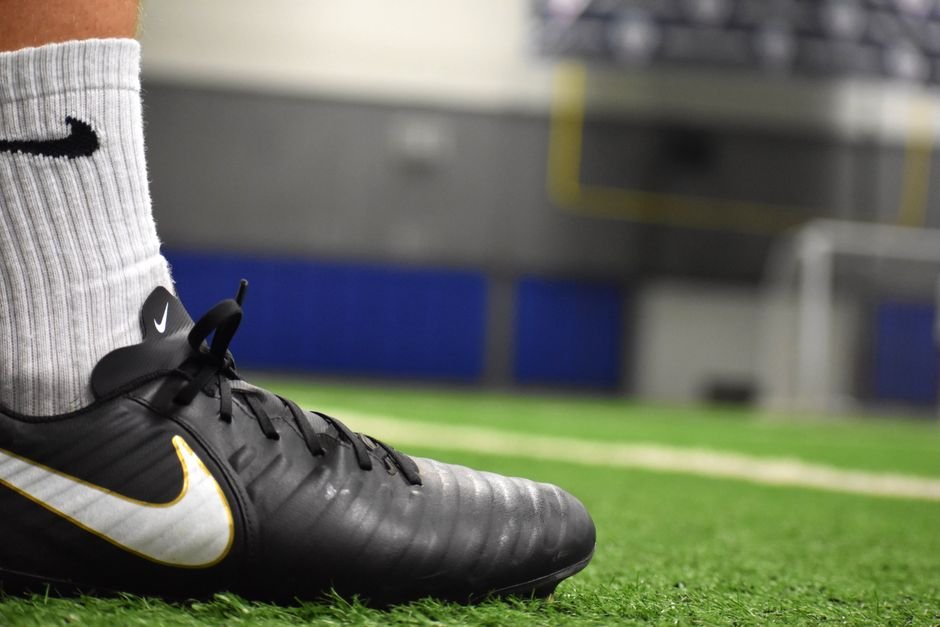
Choosing the right soccer cleats can make the difference between scoring the winning goal and sitting on the sidelines in discomfort. Your choice not only affects your performance but can also prevent issues like blisters or discomfort that come from an improper fit. To avoid these pitfalls, it’s crucial to understand how to choose soccer cleats that suit your specific needs.
The first step is to consider the playing surface. The different types of shoes are designed for specific field conditions. Cleats for firm ground offer a perfect grip on dry natural grass, while soft ground cleats are essential for wet or muddy fields. Making the wrong choice can leave you slipping and sliding or creating unnecessary strain on your feet.
I’ve seen many players frustrated because they wore the wrong type of cleats for their environment, which nearly always leads to a poor playing experience.
Why Cleat Fit Is Vital
The right fit is non-negotiable. Soccer involves a lot of lateral movements and quick pivots, so a comfortable yet snug fit keeps you secure. If your cleats are too tight, you risk blisters and pain, especially if you plan to be on the field for an extended period. I always recommend trying cleats on in-store, if possible.
Make sure you end up with a thumb’s width of space at the toe; this ensures you’re not crammed in, but still secure.
I once tried a pair that seemed fine in the store but felt like a vice once I got moving. That’s when I realized the importance of putting them to the test by running around. If you are dealing with specific foot shapes or conditions like high arches, look for brands that cater to those needs. Choose according to your individual foot anatomy.
You deserve a good fit so you can focus on winning instead of worrying about your feet.
Material Differences That Matter
The material of your soccer cleats plays a crucial role in performance and comfort. Leather cleats tend to conform better to your foot shape, providing a custom fit over time. They often offer superior touch on the ball, which is vital for passing and shooting. However, synthetic options tend to be lighter and more water-resistant, making them suitable for varied weather conditions.
When considering materials, think about how you’ll use the cleats. For instance, if you play often in wet conditions, consider synthetic materials that dry quickly. I’ve seen players ruin good leather cleats simply because they underestimated the importance of moisture-resistant materials. It’s about longevity versus performance; weigh your priorities.
Identifying the Right Cleats for Your Playing Position
Your position on the field should influence your choice of cleats, too. Defenders often benefit from a stud pattern that emphasizes traction, allowing for quick changes of direction. On the other hand, forwards who rely on speed might prefer lighter cleats for enhanced agility. Midfielders usually need a balance, focusing on a blend of support and lightness for both defensive and attacking plays.
Attacking players might want to lean towards cleats with more aggressive studs to provide better grip and explosive power. Those who play in defense could prioritize more stability and durability. One size does not fit all. If you often find yourself in a certain role, pick your cleats with that role in mind. It’s all about supporting your game.

Choosing Based on Ground Type
The type of ground you play on should dictate your cleat choice: firm ground, soft ground, or artificial surfaces. Firm ground cleats, characterized by their conical studs, are versatile for dry, natural grass fields. Meanwhile, soft ground cleats, often with longer and more pronounced studs, offer improved grip for muddy conditions.
If you frequently play on artificial turf, be cautious as using the wrong cleat type can lead to discomfort and injury. Turf-specific cleats tend to have a flatter sole and smaller studs, which provide better traction on synthetic surfaces. In my opinion, even though you might pay a premium for a quality pair, it will be worth it in the long run.
Investing in the right shoe can prevent injuries and enhance your performance.
The Importance of Comfort and Support
Comfort should always be your top priority when selecting soccer cleats. A shoe equipped with good support can be the difference between a great game and an injured foot. Pay attention to arch support and cushioning. If you have specific foot concerns, you might consider using insoles tailored to your needs.
Try on different models; the feel can vary significantly. Brands often have different sizing standards, so don’t assume you’re the same size across them. It’s wise to wear the type of socks you’ll play in during your fitting. This sounds simple but can significantly impact your comfort level during a match.

Final Recommendations: Making the Right Choice
To summarize, you should carefully select soccer cleats based on fit, material, position, and ground type. Your performance will be severely impacted if you choose only based on looks or price point. Prioritize finding the right fit for your foot, and ensure that the cleat type matches your style of play and the surface you play on.
A solid pair of well-fitted cleats can turn a tough game into a triumphant one.
Remember that investing in quality soccer cleats is not just a purchase; it’s a step toward enhancing your game. If you want more details about the upkeep of your cleats, check out my guide on cleaning soccer cleats or how to waterproof them without damage. Additionally, if you’re unsure about how to choose soccer cleats, you can find more information here.
Frequently Asked Questions
What are the different types of soccer cleats?
There are three main types of soccer cleats: firm ground (FG), soft ground (SG), and artificial ground (AG). Each type is designed for specific playing surfaces, with FG cleats having shorter studs for natural grass, SG cleats having longer, replaceable studs for wet fields, and AG cleats optimized for synthetic turf.
How do soccer cleats differ for each position?
Soccer cleats can vary by position, as players may require different features for their specific roles. For example, forwards might prefer lightweight cleats for speed, while defenders may opt for cleats with better traction and support.
Why do soccer cleats have studs?
Studs on soccer cleats provide traction, allowing players to grip the ground better while running, cutting, and changing direction. This design helps reduce slipping and enhances stability during play.
Can you wear soccer cleats on artificial grass?
Yes, you can wear soccer cleats on artificial grass, but it's best to use artificial ground (AG) cleats specifically designed for that surface. These cleats have shorter, conical studs that help distribute pressure and prevent injury on synthetic turf.
Is it important to have the right fit for soccer cleats?
Absolutely, having the right fit for soccer cleats is crucial for comfort and performance. A proper fit ensures better control of the ball, reduces the risk of blisters, and enhances overall stability during play.

Leave a Reply