
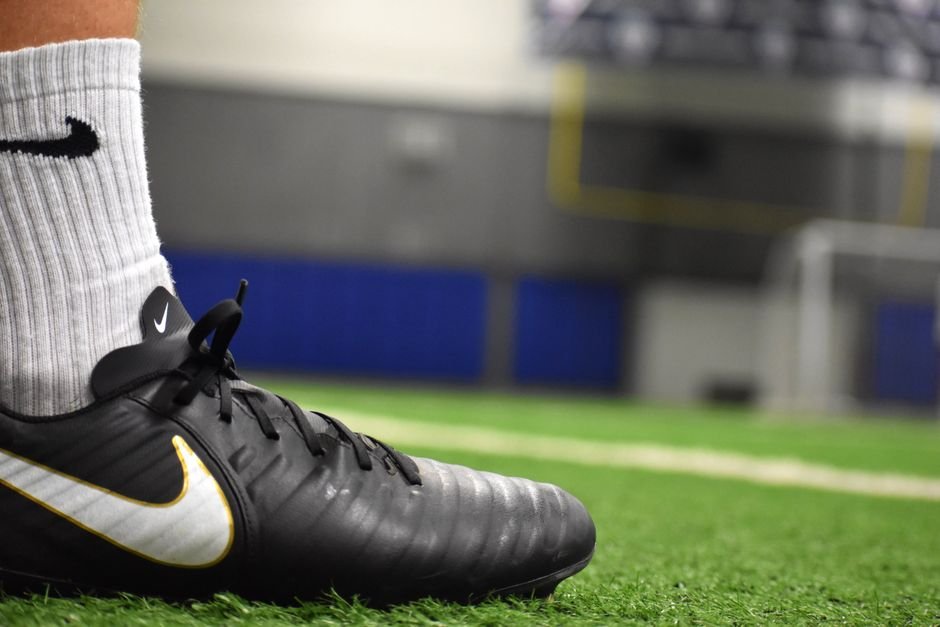
How soccer cleat technology has evolved is evident in the shift from the 590-gram leather boots of the past to today’s lightweight 250-gram models, engineered for superior agility and precision. Innovations in materials have significantly improved grip on wet surfaces and enhanced comfort, allowing players to concentrate on their strategy without distraction from their footwear.
The journey began with traditional leather, providing durability but limiting performance due to added weight and lack of comfort. Nowadays, lightweight synthetic materials are standard, enhancing speed and allowing players to express their agility without cumbersome footwear. These innovations have specifically targeted the common complaints about grip and support, key factors in competitive gameplay.
Boot Materials: From Heavy Leather to Lightweight Synthetics
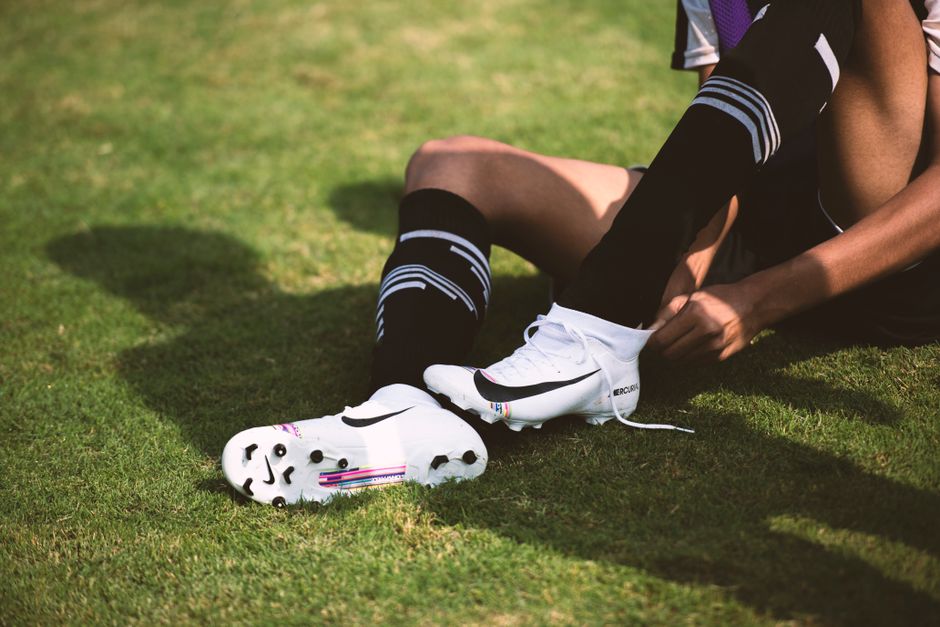
Early soccer cleats made from heavy leather, while protective, restricted agility and contributed to player fatigue. This shift to lightweight synthetics has revolutionized footwear, offering breathability and flexibility that leather lacks. Modern synthetic materials dry faster, which is essential for playing in inclement weather.
Players can now choose options like microfiber and knitted fabrics, which conform better to the foot, dramatically reducing the risk of blisters and maximizing comfort. If blisters have hindered your game, investing in synthetic cleats could be a game-changer.
Traction Patterns: A Game Changer for Grip
The advancement of traction patterns has significantly improved grip and stability. Previously, cleats featured a basic stud configuration that could not adapt to varying field conditions. Current designs target specific surfaces, be it grass, turf, or wet pitches, enhancing performance.
For example, firm ground (FG) studs excel on natural grass, providing superior grip during rapid movements. Conversely, soft ground (SG) cleats, with longer and fewer studs, perform well in muddy conditions by digging deeper into the surface. Choosing the appropriate stud configuration for your playing scenarios is crucial; the wrong choice can lead to slips and decreased performance.

Ankle Support: Innovations to Prevent Injury
Ankle sprains were once a frequent concern due to the minimal support offered by traditional low-cut designs. Innovations, such as slip-on systems and higher collars, now provide crucial stability while allowing mobility.
Cleats with thoughtful ankle support can significantly enhance comfort and prevent injuries during play, making them essential for players engaged in frequent or competitive matches. Selecting cleats with the right ankle fit will enhance your performance when executing quick lateral moves.
Lightweight Design: Speed and Agility Come First
Weight is a core consideration for soccer cleats. Older models weighed upwards of 300 grams, a burden that could impede a player’s speed. Modern options, however, frequently remain under 250 grams, enabling players to move quickly and efficiently across the pitch.
The focus on lightweight designs allows for swift reactions and diminished fatigue. This is pivotal for all players, whether sprinting forwards or agile defenders. Every gram saved can significantly influence performance in competitive settings.
Choosing the Right Soccer Cleats: Tailored for You
While technological advancements have introduced excellent options, selecting the right soccer cleats is deeply personal. Factors such as foot shape, playing style, and field conditions are critical in making your choice.
Pay close attention to your foot shape, weather conditions, and preferred style of play when buying. A comprehensive guide on selecting soccer cleats can clarify which features best suit your needs and performance aspirations.
Final Verdict: Key Focus Areas for Selecting Your Cleats
Considering the advancements discussed, prioritize lightweight designs and effective stud configurations in your cleat choice. If you frequently play on muddy fields, opt for cleats equipped with soft ground studs. For those who prioritize comfort, synthetic materials and ankle support options can enhance your gameplay.
Technology in soccer cleats has transformed the game considerably; however, the best option depends on your unique playing style and requirements. Experiment with different brands and find a cleat that feels just right. Today’s advances offer a tremendous opportunity to elevate your performance on the field.
There is more on soccer cleat elsewhere on the site.
Frequently Asked Questions
How have soccer cleats changed over time?
Soccer cleats have evolved significantly from heavy leather boots to lightweight, flexible designs that enhance player performance. This evolution has included improvements in fit, comfort, and traction, adapting to the needs of modern players.
What materials are modern soccer cleats made of?
Modern soccer cleats are commonly made from synthetic materials such as polyester, nylon, and polyurethane, which offer durability and water resistance. Additionally, advancements in textile technology have allowed for lighter and more breathable designs, enhancing player comfort.
Why is traction important in soccer cleats?
Traction is crucial in soccer cleats as it provides the necessary grip on the playing surface, allowing players to make quick cuts, accelerations, and stops. Better traction helps prevent slipping, thus improving stability and reducing the risk of injury during gameplay.
Can technology improve soccer performance?
Yes, technology can significantly enhance soccer performance through the development of specialized cleat designs that optimize speed, agility, and ball control. Innovations such as embedded sensors and performance-enhancing materials can also give players a competitive edge.
What are the latest innovations in soccer shoes?
Recent innovations in soccer shoes include the use of 3D printing for custom fit and enhanced durability, as well as traction plate designs that adapt to different field conditions. Additionally, the integration of smart technology allows for tracking player performance metrics during training and games.
Leave a Reply