
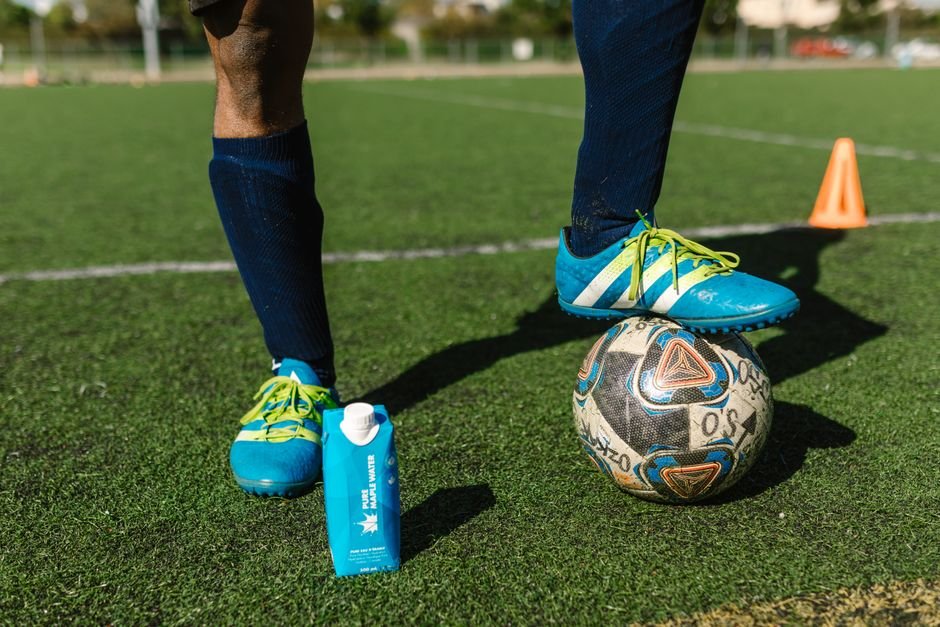
To effectively learn how to clean soccer cleats, use a soft brush and warm, soapy water to remove dirt and grime, ensuring they remain in top condition. Regular cleaning helps prevent bad odors and extends the life of the cleats, making it essential for maintaining optimal performance on the field.
Many people struggle with the best method for tackling muddy cleats. Should you throw them in the washing machine or scrub them by hand? The answer is clear: handwashing is far superior. Below, I’ll guide you through the cleaning process, highlight what to avoid, and explain how proper care can extend the life of your cleats.
Start with Mud Removal
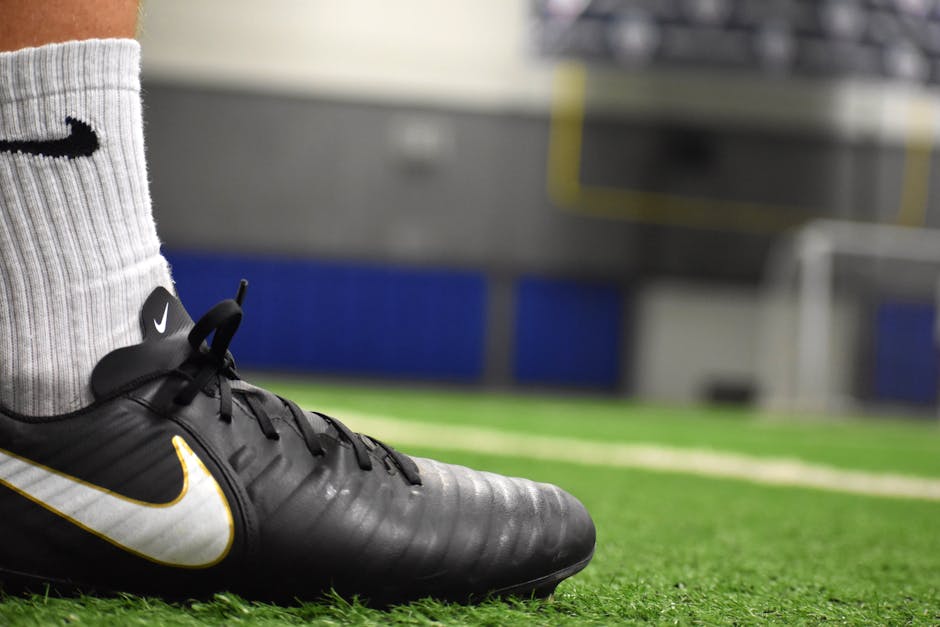
The first step is to remove any mud. A common mistake is scrubbing before addressing the heavy dirt. Allow the mud to dry completely; once it’s dry, you can easily knock off the clumps using your hands or a soft brush.
A regular toothbrush or an old paintbrush can be effective tools for reaching those nooks and crannies where dirt can hide. Be thorough yet gentle; failing to remove mud properly can create a sticky sludge when mixed with water during cleaning, complicating the process.
Essential Cleaning Materials
Gathering the right materials can streamline the cleaning process. You’ll need:
- Soft brush (like a toothbrush)
- Bucket of warm water
- Mild dish soap or laundry detergent
- Clean cloths or sponges
- Newspaper or old towels for drying
Avoid harsh chemicals or bleach, as they can damage your cleats. Stick to mild soap, and if your cleats are leather, opt for a leather cleaner instead. Always test a small area first to avoid damaging the finish.
Step-by-Step Cleaning Guide
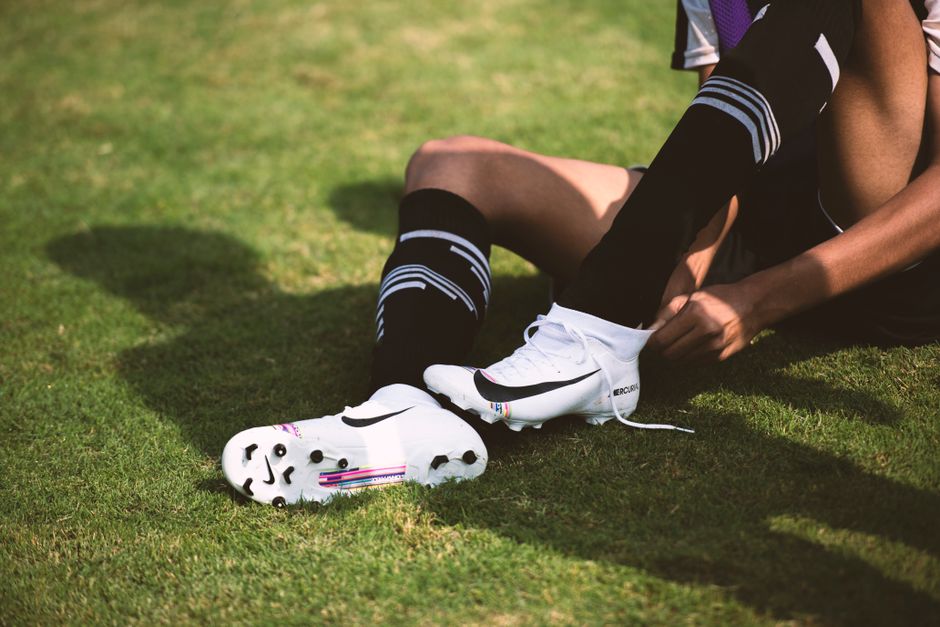
With the mud removed and supplies ready, let’s move to the cleaning process. Start by dampening a cloth with warm, soapy water and wipe down the outer surfaces of your cleats. Pay attention to the insoles and any areas where grime accumulates. Be careful around logos or delicate parts, scrubbing too hard can cause damage.
After cleaning, rinse the cloth well and wipe off any soap residue. This step is crucial, as leftover soap can harm the materials over time. To combat odors inside, sprinkle a light layer of baking soda and leave it for a few hours before brushing it off.
Drying Techniques Matter
A significant mistake is placing wet cleats in direct sunlight to dry. While this may speed up the drying process, it can also crack the material or warp the shape. Instead, allow them to air dry in a well-ventilated space away from direct heat sources.
Here’s a useful tip: to help maintain the shape of your cleats while they dry, stuff them with newspaper or old towels. Replace the stuffing if it becomes too wet to aid in moisture absorption.
Preventing Odors
Even the cleanest soccer cleats can develop odors over time. To prevent this, regularly air out the insoles by removing them. After each use, adding a sprinkle of baking soda inside your cleats can also help prevent odors.
If you’re looking to keep your cleats fresh, consider investing in anti-odor sprays specifically designed for sports shoes. Always verify that any product is compatible with your cleats’ materials. Additionally, rotating between multiple pairs of cleats gives them time to air out and helps maintain their integrity.
Maximizing Your Cleats’ Lifespan
Don’t be tempted to take shortcuts. Many believe that cleaning cleats in the washing machine is a time-saver, but this method can ruin them. Adhering to the hand-cleaning technique outlined here is much more effective. Regular maintenance can greatly prolong the lifespan of your footwear.
For more detailed tips on extending the life of your soccer cleatscheck out my article on how to clean soccer cleats. Understanding how to clean and maintain your cleats not only preserves their appearance but also enhances your overall playing experience.
Final Verdict: Cleaning Soccer Cleats
Properly cleaning your soccer cleats involves several steps, starting with mud removal, using the right materials, and following a careful cleaning and drying process. By avoiding shortcuts like machine washing and taking proactive steps to minimize odors, you ensure your cleats last longer and perform better on the field. For optimal results, embrace this hand-cleaning method as an essential part of your gear maintenance routine.
Frequently Asked Questions
How do you clean muddy soccer cleats?
To clean muddy soccer cleats, first let the mud dry completely before brushing it off with a stiff brush. Next, use a damp cloth and mild soap to wipe down the surfaces and remove any remaining dirt.
Why do soccer cleats smell bad?
Soccer cleats can smell bad due to the buildup of moisture and bacteria from sweat during play. The closed environment of the shoes traps odors, especially if they are not allowed to dry properly after use.
Can you wash soccer cleats in a washing machine?
It is generally not recommended to wash soccer cleats in a washing machine, as the agitation can damage the materials and structure of the shoes. Instead, hand-cleaning with a brush and mild soap is advised.
What is the best way to dry soccer boots?
The best way to dry soccer boots is to let them air dry naturally at room temperature. Avoid placing them in direct sunlight or using heat sources, as this can warp or damage the materials.
How can you extend the life of soccer cleats?
To extend the life of soccer cleats, regularly clean them after each use and store them in a cool, dry place. Additionally, using shoe trees can help maintain their shape and prevent creasing.
Leave a Reply