
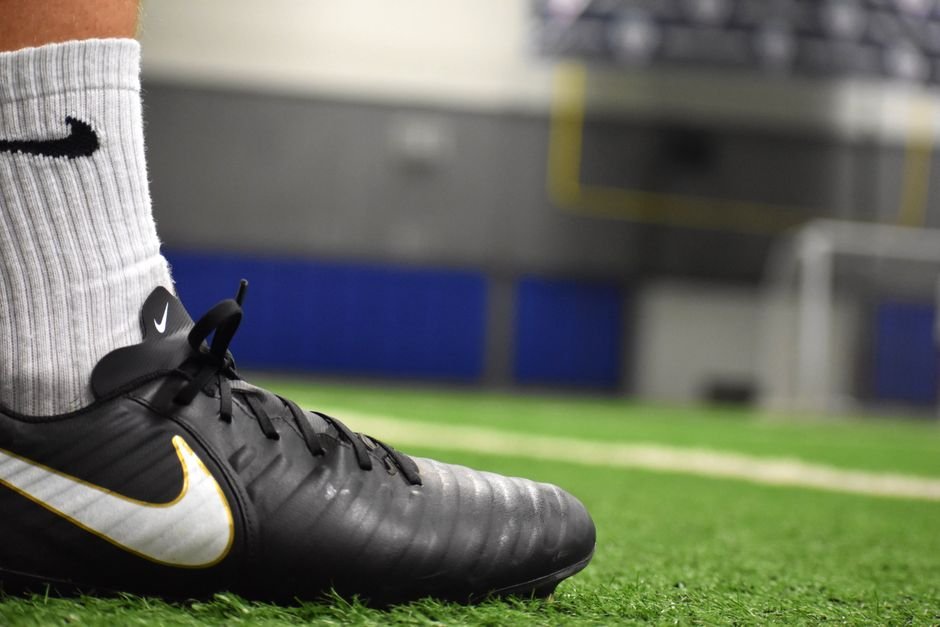
Choosing the right soccer cleat size can dramatically influence your performance during a game. Players often assume their usual size applies to all brands, but this isn’t always the case. Accurate sizing is essential, not just for comfort, but also for enhancing your capability on the field. Here’s how to measure soccer cleat size accurately to ensure you play at your best.
Have you ever believed you’re a size 10, only to realize you need a 9.5? Many players share this experience due to inconsistent sizing across brands. Measuring your foot length and width can alleviate the guesswork, allowing you to select cleats that fit comfortably and function effectively.
Why Accurate Cleat Sizing Matters
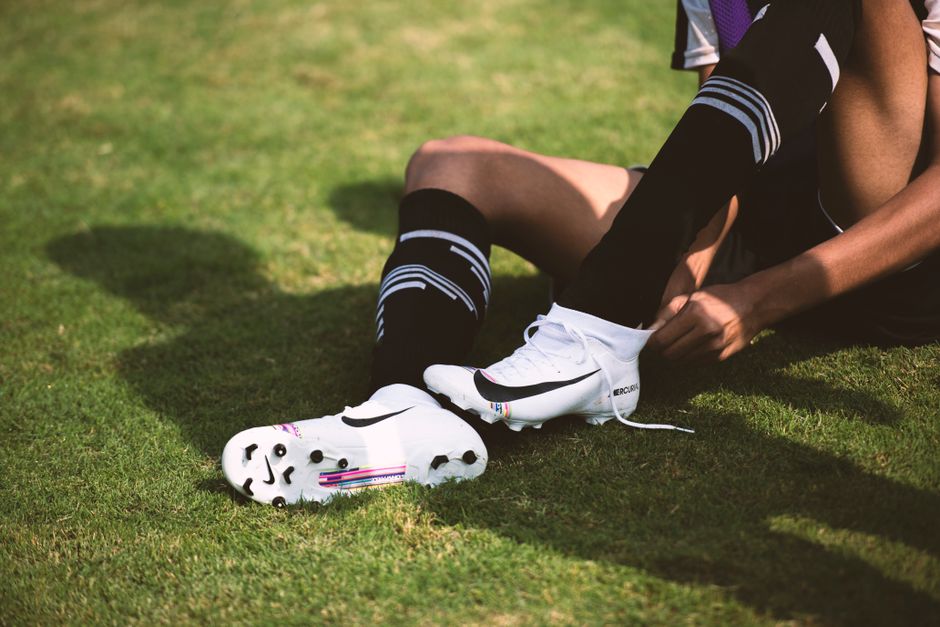
Proper sizing directly influences your ability to control the ball and perform movements while minimizing the risk of injuries. A misfit cleat can cause blisters and long-term foot issues. For example, many players note discrepancies where a size 10 in Adidas feels entirely different from a size 10 in Nike, owing to variations in design and material.
This fit is crucial, especially for players with unique foot shapes. If your cleats are too tight, they may cause discomfort. Conversely, loose cleats can lead to instability and increase the risk of injury. By measuring your feet accurately, you improve your chance of finding the right pair, which is vital for enhancing your on-field performance.
Measuring Your Foot Length and Width
Measuring your foot is straightforward and requires just a piece of paper, a pencil, and a ruler. Stand on the paper with your heel against a wall. Mark the longest part of your foot, usually your big toe, and measure the length from the bottom of the paper to this mark, this is your foot length.
Next, for width, wrap a flexible tape measure around the widest part of your foot, typically across the ball. Ensure it’s snug but not tight. Record these two measurements as they will direct your cleat selection. If necessary, double-check to avoid sizing errors.

Look Up Brand-Specific Size Charts
Once you have your measurements, consult the brand-specific size charts available on most soccer cleat manufacturer websites. These charts typically show foot length in inches or centimeters alongside the corresponding shoe size. Keep in mind that ‘size 10’ may equate to different actual sizes among brands.
For instance, after measuring, you may find that you wear a size 9.5 in one brand and a size 10 in another. Make a note of the cleat sizes from each brand based on your measurements, this detail can significantly reduce the time spent trying on shoes.
Avoid These Common Sizing Mistakes
A common misconception is that your regular shoe size directly applies to soccer cleats. Many players discover this isn’t true, especially when transitioning to athletic footwear. Instead of relying on usual sizing, measure and adjust based on each brand’s specifications.
- Measuring with socks on can skew results; always measure your bare foot.
- Ignoring width may result in discomfort; measure both dimensions for accuracy.
- Failing to try on cleats could lead to unpleasant surprises; if possible, test them in-store.
Also, consider trying cleats on later in the day when your feet have swelled slightly; this ensures a more accurate fit. Scheduling your store visits during the late afternoon is ideal for testing comfort.
How to Decide on the Right Fit
After gathering sizes and trying cleats, a snug fit without constriction is ideal. Aim for about a thumb’s width gap between your longest toe and the front of the cleat. Too much space can hinder your control on the field, while too little can cause discomfort. Prioritize comfort along with a snug fit.
Check for slight flex in the toe box to ensure the cleats can accommodate your foot movements. Keep in mind that styles differ based on playing positions; for instance, forwards might prefer lighter, tighter cleats for enhanced speed, whereas defenders may favor better cushioning for stability.
Your Buying Recommendations for Soccer Cleats
With the disparities among brands and models, prioritize fit over brand loyalty. Comfort should dictate your choice. If you have flat or high arches, consider investing in custom insoles for improved fit and performance.
Once you select your cleats, maintain them properly to extend their lifespan. For care tips, check my guide on How to Extend the Life of Soccer Cleats with Proper Care Tips.
Now that you know how to measure soccer cleat size accurately and understand the importance of fit, you can choose your cleats with confidence, enhancing your performance and enjoyment on the field! For more on how technology enhances soccer performance, check out how Illinois technology was featured in World Cup soccer cleats.
Frequently Asked Questions
How do I know my soccer cleat size?
To determine your soccer cleat size, you can measure your foot length in inches or centimeters and compare it to a sizing chart provided by the cleat manufacturer. Additionally, trying on different sizes in-store can help ensure a proper fit, as sizes may vary between brands.
Why is my soccer cleat size different?
Soccer cleat sizes can differ due to variations in manufacturing standards, style designs, and differing lasts used by each brand. It’s common for individuals to wear different sizes in different brands or styles, so trying them on before purchasing is essential.
What is the best way to measure for soccer cleats?
The best way to measure for soccer cleats is to stand on a piece of paper and trace your foot outline, measuring the length from the heel to the toe. Make sure to measure both feet, as one foot may be slightly larger than the other, and always round up to the nearest half size for comfort.
Can soccer cleat size affect performance?
Yes, the size of your soccer cleats can significantly affect your performance on the field. Ill-fitting cleats can lead to discomfort, reduced agility, and even injuries, so it is important to have cleats that fit well and provide proper support.
Is soccer cleat size the same as shoe size?
No, soccer cleat size is not always the same as your standard shoe size. Many players find that they need to go up a half size or even a full size for soccer cleats to ensure a snug but comfortable fit.


Leave a Reply