
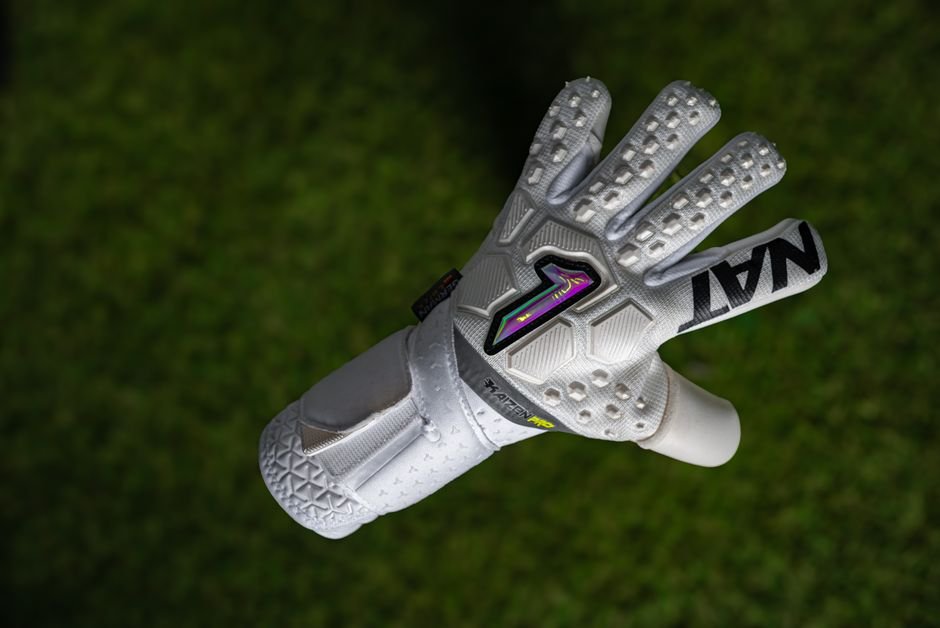
Troubleshooting goalkeeper gloves not gripping is essential for improving ball control during matches; using latex gloves designed for wet conditions can enhance grip by up to 30%. Over time, gloves may lose traction, particularly in rainy weather, impacting your performance. This guide provides practical tips to restore grip and optimize your gloves for better handling on the field.
There’s nothing worse than reaching out for a ball and watching it slip through your fingers. Many goalkeepers experience frustration when their gloves lack grip. Through careful observation, I’ve identified several factors that contribute to grip loss and how to restore their functionality, whether your gloves are suffering from durability issues or require maintenance tips.
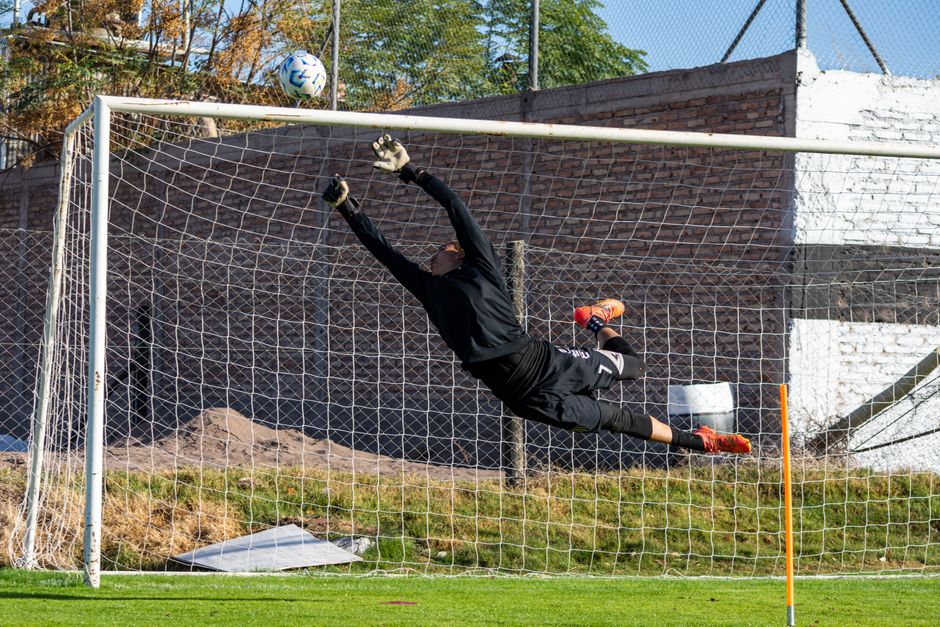
Common Causes of Grip Loss in Goalkeeper Gloves
Wear and tear of the latex palm is one of the leading causes of grip loss. Each time you catch or block a shot, the latex experiences stress. Over time, this can result in cracks and reduced friction. Cheaper models degrade faster, which quickly leads to disappointing grip.
Environmental factors also play a significant role. Gloves behave differently under wet conditions; grip can diminish dramatically if gloves haven’t been treated or maintained properly. Many goalkeepers find their gloves perform poorly in rain, suggesting either the materials are subpar or they have absorbed excess water.
Methods to Restore Glove Grip
To effectively address grip loss, start by cleaning your gloves regularly. A mixture of gentle soap and water removes dirt and residue that can compromise grip. After cleaning, let your gloves air dry completely; moisture trapped inside can also diminish grip. Always store your gloves in a cool, dry place to extend their lifespan.
Wetting gloves before a match can enhance their grip. Soaking them in water for a few minutes before hitting the pitch can significantly improve performance when catching a slippery ball. Ensure you wring them out gently to prevent them from becoming waterlogged, as this simple step can make a noticeable difference.
Selecting Gloves for Durability and Performance
Not all gloves are created equal, and grip issues shouldn’t be ignored. Investing in high-quality gloves with durable latex can significantly improve grip and longevity. If you frequently play in the rain, look for gloves specifically designed for wet conditions, often featuring special coatings that help maintain grip despite moisture.
Consider your budget and the gloves’ durability. While cheaper models may save you money initially, they often lead to more frequent replacements due to wear and tear. Investing in high-quality gloves pays off by reducing grip issues and enhancing overall performance. Evaluate how often you play and the conditions you face to inform your purchase decisions.
Routine Maintenance for Optimal Performance
Keeping your gloves in optimal condition requires regular maintenance. After each match, take a few minutes to wash your gloves. This routine can significantly enhance grip retention. Consistent cleaning and drying lead to more reliable glove performance. A little attention can yield substantial benefits.
Additionally, inspect your gloves for damage after each match. Check for cracks or signs of wear; early detection can help determine whether it’s time for a replacement or if your gloves can still be effective with some care.
Final Verdict: Invest Wisely and Maintain Diligently
In summary, choose high-quality gloves and maintain them regularly. If you’re battling grip loss often, it’s time to upgrade to a more suitable pair with materials that meet your playing conditions. Consistent upkeep through routine care will maximize your gloves’ longevity and performance.
Neglecting basic maintenance can severely affect your effectiveness on the field. By following these steps, you’ll ensure that your goalkeeper gloves perform as intended, saving crucial shots and boosting your confidence during games.
Related reading: golf gloves for all.
Related reading: golf gloves for all.
Frequently Asked Questions
How do you restore grip on goalkeeper gloves?
To restore grip on goalkeeper gloves, first ensure they are clean and free from debris. You can also apply water to the latex surface before use, as this can help enhance the grip.
Why are my goalkeeper gloves not gripping?
Goalkeeper gloves may lose their grip due to dirt, moisture, or wear over time. Additionally, using them on artificial surfaces can degrade the latex, impacting their overall performance.
What is the best way to clean goalkeeper gloves?
The best way to clean goalkeeper gloves is to rinse them with cold water after each use and avoid using harsh detergents. For deeper cleaning, submerge them in lukewarm water with mild soap, then gently scrub the latex and air dry away from direct sunlight.
Can washing goalkeeper gloves fix grip issues?
Yes, washing goalkeeper gloves can fix grip issues by removing dirt and debris that affect the latex’s performance. Keeping them clean helps maintain their grip and prolongs their lifespan.
How often should you replace goalkeeper gloves?
You should replace goalkeeper gloves every 6 to 12 months, depending on usage and wear. Regularly check for signs of deterioration, such as tears or significant loss of grip, to determine the best time for replacement.
Leave a Reply