
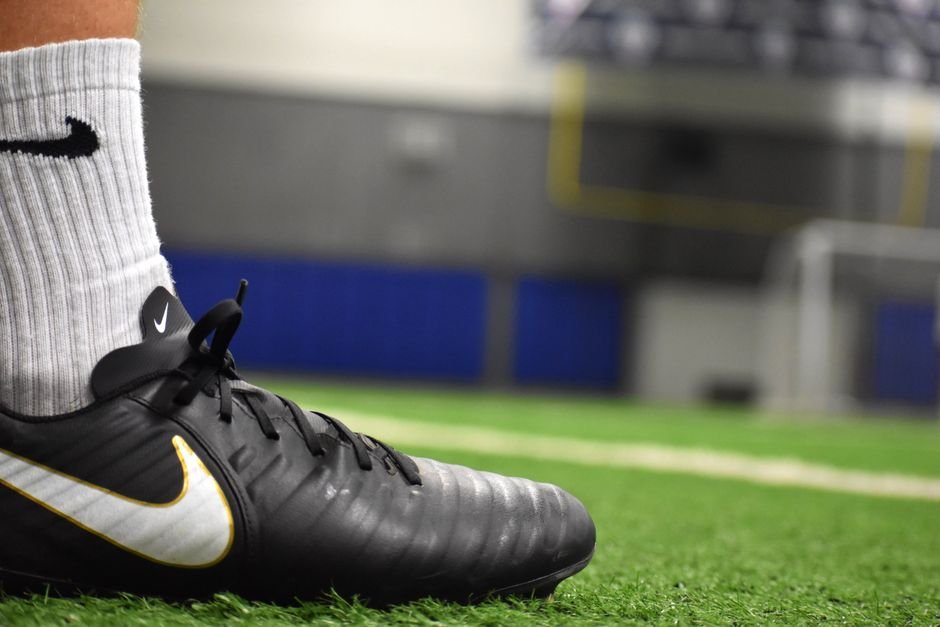
Every six to twelve months, you should replace your soccer cleats to ensure optimal performance and safety. Signs of significant wear can compromise your footing and control on the field, so it's essential to pay attention to the condition of your footwear.
The timing does depend heavily on how often you play and the intensity of the games. If you’re practicing multiple times a week or playing in competitive leagues, you might be looking at a shorter lifespan than someone who plays casually on weekends. Let’s take a deeper look at the signs that indicate it’s time for new cleats and the factors influencing their durability.

Signs Your Soccer Cleats Need Replacing
First, examine the outsoles of your cleats. If you notice worn-down studs or the entire sole becoming flat, it’s time for a replacement. These features provide traction, and if they are compromised, you’re risking slips and injuries during play.
Next, inspect the upper material of your cleats. If you see significant cracking, tearing, or a loss of structure, your foot won’t receive the support it needs, which is crucial for preventing blisters and pain. Additionally, check the lining for wear; it can indicate that the shoe is losing its overall integrity.
Wear and Tear
Each action on the field, sprinting, pivoting, or stopping, exerts pressure on your cleats. Natural materials like leather may stretch over time while synthetic materials might tear more easily under intense play. If you find they feel less snug or show signs of detachment, they won’t perform like they should anymore.
Lastly, consider your own discomfort. If you start experiencing foot pain or instability while wearing them, even if they look fine, replacing them immediately is a wise choice. You could end up with long-term issues if you ignore these signs.
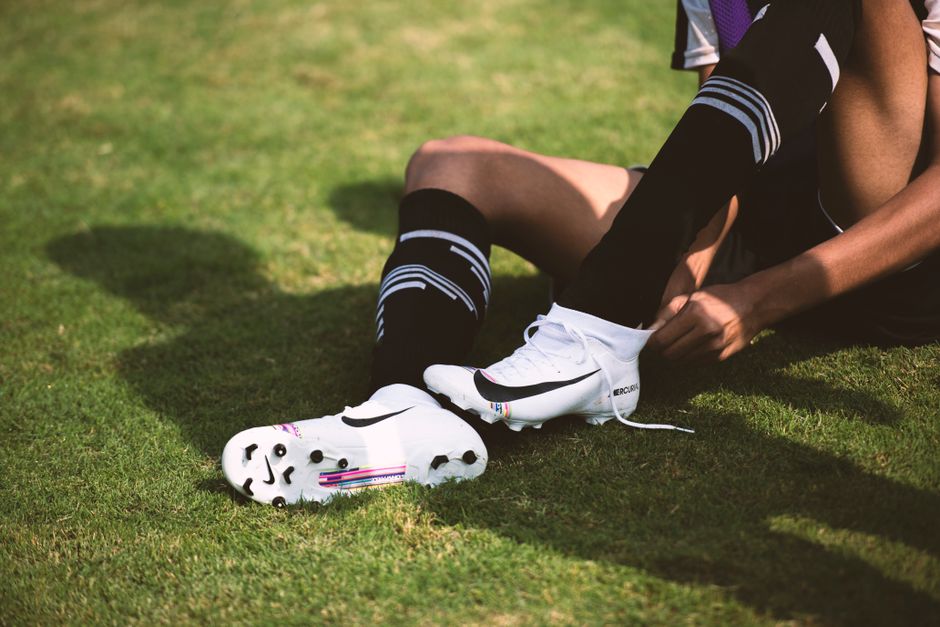
Factors Affecting Cleat Lifespan
How often you play is the primary factor in determining cleat longevity. On average, if you play two to three times a week, expect to replace them annually. Heavy synthetic fields can wear cleats faster due to more aggressive surfaces, while natural grass may allow them to last longer.
Environmental conditions matter too. If you frequently play in wet or muddy conditions, the moisture can cause your cleats to wear out faster and even compromise the materials. If you’re also dealing with cleaning issues, I have a detailed guide on maintaining synthetic soccer cleats here: How to Maintain Synthetic Soccer Cleats for Long-Lasting.
The Hidden Cost of Prolonging Replacement
Continuing to wear cleats past their prime can lead to poor performance. This isn’t just about comfort; it’s a safety issue. Old cleats can cause slips, reduced agility, and increase the chances of injury. This might end up costing you more, not just in terms of new cleats but also potential time off due to injuries.
Have you noticed that your teammates change cleats more frequently? This is often a proactive approach to ensure optimal performance. Aim to be smart and proactive, not reactive. On the field, having reliable gear makes a noticeable difference.
Conclusion: Timing Your Replacement Wisely
Invest in high-quality cleats like Nike Mercurial for speed and agility, or Adidas Predator for control and precision. If you play frequently on turf, look for models designed specifically for synthetic surfaces to get the best grip and durability.
Frequently Asked Questions
How often should you replace soccer cleats?
Typically, soccer cleats should be replaced every 6 to 12 months, depending on usage and playing conditions. Players who train frequently or play in competitive leagues may need to replace them more often.
What are the signs that soccer cleats need replacing?
Signs that soccer cleats need replacing include noticeable wear on the soles, loss of traction, visible tears or holes in the upper material, and discomfort or lack of support while wearing them. If you notice any of these issues, it's time to consider new cleats.
Can worn-out soccer cleats affect performance?
Yes, worn-out soccer cleats can significantly affect performance by reducing traction and stability on the field. They may also compromise your foot support, leading to discomfort or even injury.
How does playing frequency impact cleat replacement?
Playing frequency directly impacts cleat replacement, as more frequent play increases wear and tear on the cleats. Players who regularly participate in games and practice sessions will likely need to replace their cleats more often than casual players.
What factors determine soccer cleat lifespan?
Factors that determine the lifespan of soccer cleats include the quality of materials used in construction, frequency of use, playing conditions (such as wet or muddy fields), and the player's style of play. Proper care and maintenance can also extend their lifespan.
Leave a Reply