
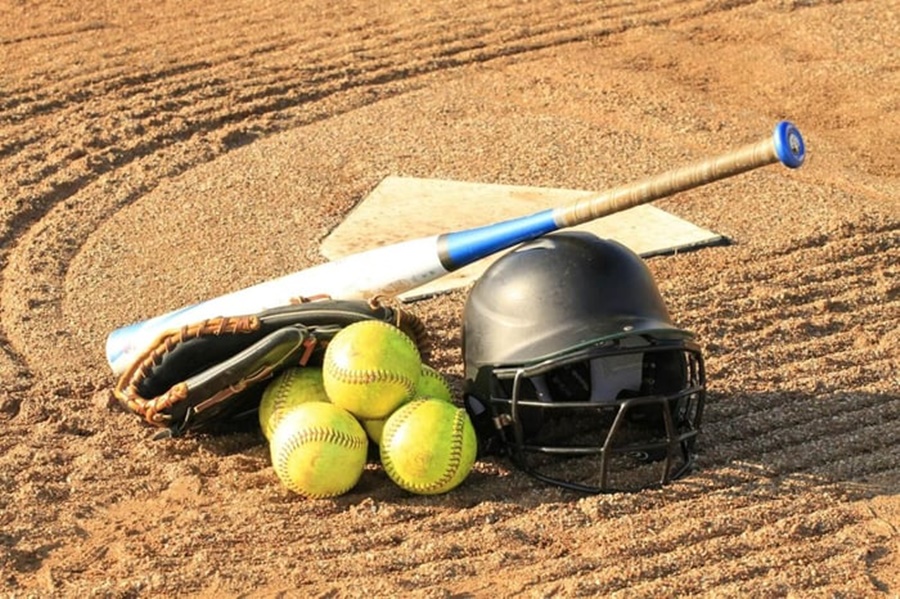
Baseball is a popular sport played by people of all ages, from school children to professional athletes. While the rules of the game are important, having the right equipment is just as essential for playing safely and effectively. The equipment used in baseball helps players perform specific roles such as batting, fielding, pitching, and catching. This article explains the main equipment required to play baseball and their purposes.
1. Baseball Bat
The baseball bat is one of the most important pieces of equipment in the game. It is used by the batter to hit the ball thrown by the pitcher.
- Material: Bats are usually made of wood (used in professional leagues) or metal/alloy (commonly used in amateur and youth leagues).
- Size and Weight: The length and weight of the bat vary depending on the player’s age, strength, and league rules.
Choosing the correct bat helps improve control, swing speed, and overall performance.
2. Baseball
The baseball is the central object of the game. It is thrown, hit, caught, and fielded throughout play.
- Construction: A baseball has a cork or rubber center, wrapped in yarn, and covered with leather.
- Standard Size: Professional baseballs have a standard size and weight regulated by official rules.
Different leagues may use slightly different baseballs, especially for youth players.
3. Baseball Glove (Mitt)
A baseball glove is worn by defensive players to catch and field the ball.
- Types of Gloves:
- Infield gloves (smaller, shallow pockets)
- Outfield gloves (larger, deeper pockets)
- Catcher’s mitt (extra padding, no individual fingers)
- First baseman’s mitt (longer and wider design)
- Material: Usually made of leather or synthetic materials.
Each position uses a specific type of glove to improve performance and safety.
4. Helmet
A batting helmet protects the player’s head from injury while batting or running bases.
- Design: Made of hard plastic with padding inside.
- Face Protection: Some helmets include face guards, especially in youth leagues.
Helmets are mandatory in organized baseball to reduce the risk of serious head injuries.
5. Protective Gear
Protective equipment is especially important for catchers and batters.
- Catcher’s Gear:
- Catcher’s helmet or mask
- Chest protector
- Shin guards
- Batting Protection:
- Batting gloves (improve grip and reduce vibration)
- Elbow guards and leg guards (optional but common)
This equipment helps prevent injuries from fast-moving balls and physical contact.
6. Baseball Uniform
A standard baseball uniform allows players to move comfortably and safely.
- Components:
- Jersey
- Pants
- Belt
- Socks
- Footwear:
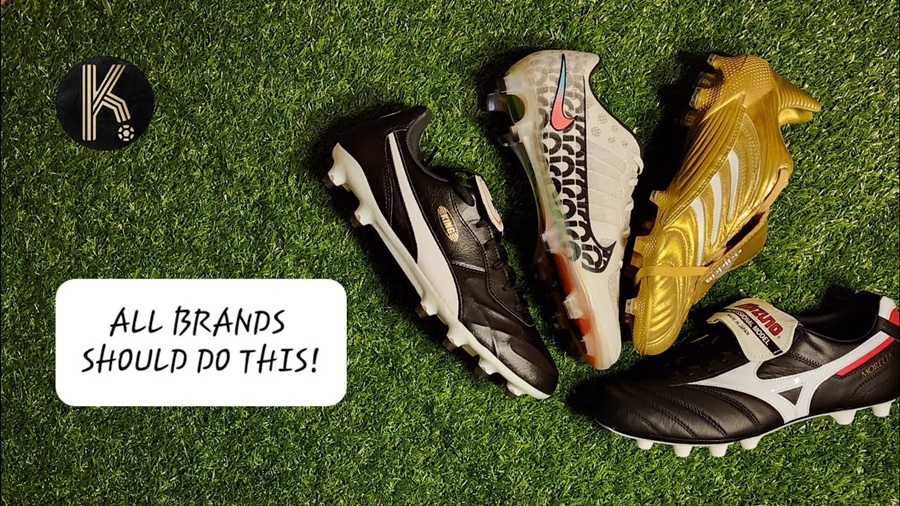
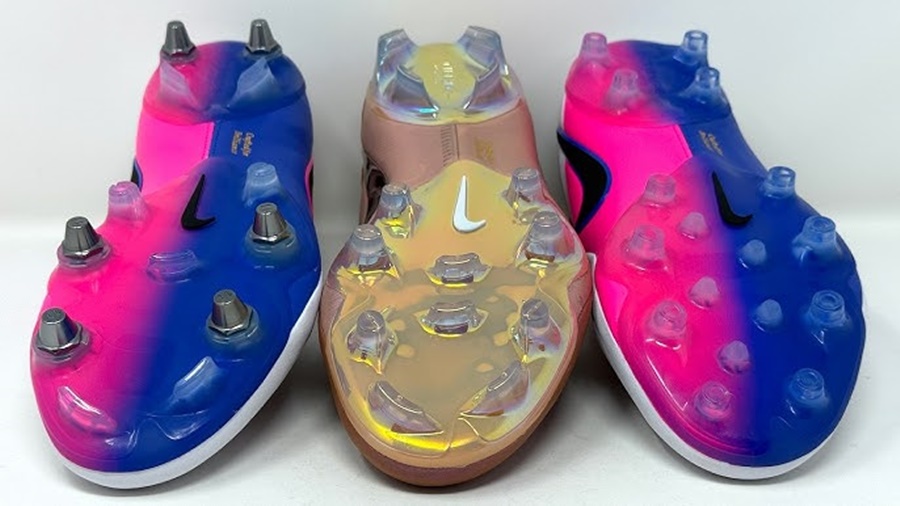
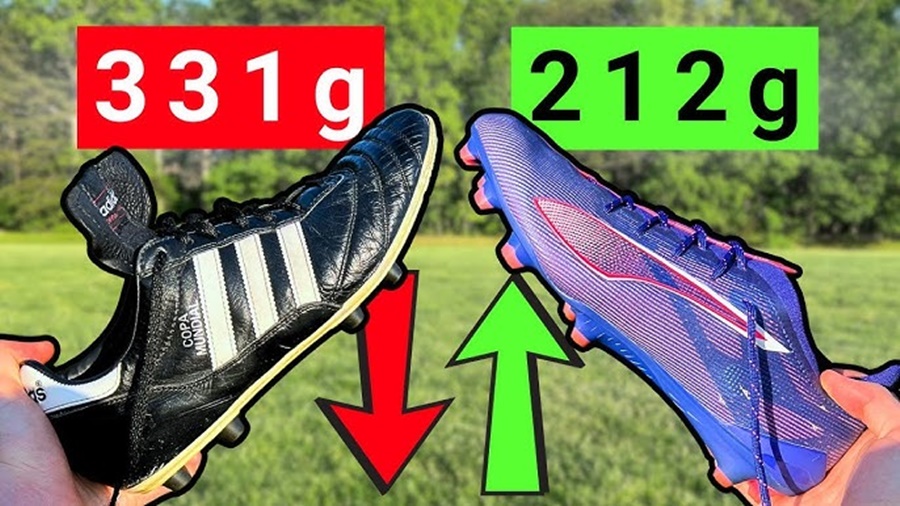
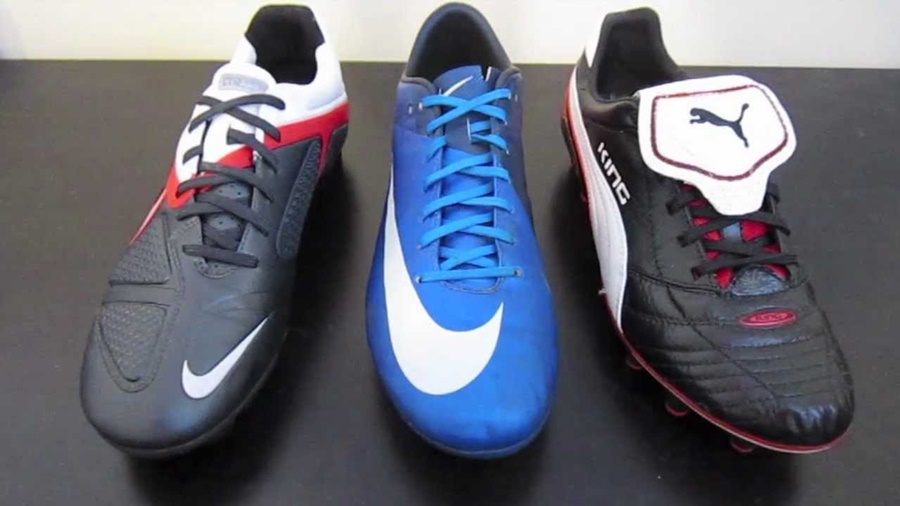
- Baseball cleats provide grip and stability on grass or dirt fields.
Uniforms also help identify teams and players during the game.
7. Bases and Field Equipment
For organized games, certain field equipment is required.
- Bases: First base, second base, third base, and home plate
- Pitcher’s Mound: A raised area where the pitcher stands
- Batting Tee (for practice or beginners)
- Baseball Field: Includes the infield, outfield, and foul lines
These items are essential for setting up and playing a proper game of baseball.
Conclusion
Baseball requires a variety of equipment to ensure the game is played safely, fairly, and enjoyably. From bats and balls to gloves, helmets, and protective gear, each item plays an important role. While professional players use specialized equipment, beginners and amateurs can start with basic gear and upgrade as their skills improve. Having the right equipment not only enhances performance but also helps prevent injuries, making baseball a fun and rewarding sport for everyone.
Leave a Reply