
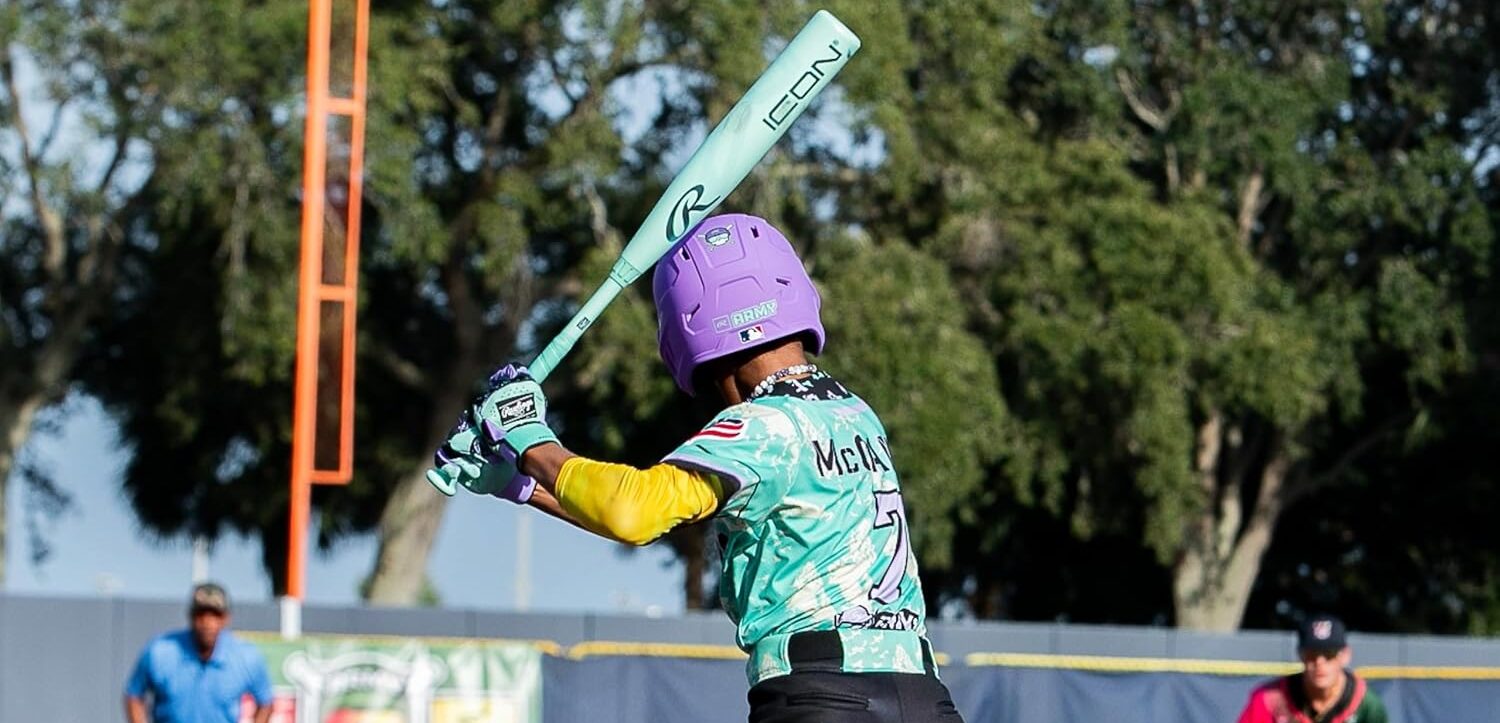
I tested these bats the same way most of us really use them: not in a lab, but in messy real life. Cage reps first (to feel swing weight, barrel feedback, and vibration), then live BP (to see how they behave on mishits), and finally a couple game-speed sessions (because timing changes everything). I also rotated hitters—smaller contact-first swings, and stronger pull-heavy swings—because the “best” bat depends a lot on who’s swinging it.
Our Top Pics by Category
| Product | Link |
|---|---|
| Rawlings 2026 ICON Baseball Bat (USSSA) | Rawlings 2026 ICON Baseball Bat (USSSA) |
| Easton Fastpitch Softball Bat (Approved Aluminum) | Easton Fastpitch Softball Bat (Approved Aluminum) |
| Miken Chaos Slowpitch Softball Bat (All-Association, XL Endload) | Miken Chaos Slowpitch Softball Bat (All-Association, XL Endload) |
| Marucci Soul Fastpitch Alloy (-11) | Marucci Soul Fastpitch Alloy (-11) |
| Louisville Slugger 2025 Quest (-12) Fastpitch | Louisville Slugger 2025 Quest (-12) Fastpitch |
Quick Buying Questions (Read This Before You Pick)
Ask yourself these and you’ll avoid 90% of “I bought the wrong bat” regret:
- Fastpitch or slowpitch? (Different rules, different swing feel, different certifications.)
- Who’s swinging it—youth, teen, adult? Youth bats often prioritize lighter swing weight and control.
- What drop do you actually need? (-12 swings light; -11 is a touch heavier; slowpitch is usually measured in ounces/weight rather than “drop.”)
- Do you want balanced or end-loaded? Balanced = easier control and bat speed. End-loaded = more mass through contact (great if you can handle it).
- What does your league require? USA Softball / USSSA / “All-Association” matters. A hot bat that’s not legal is just an expensive practice stick.
Types (Product Types)
| Type | Who it’s for | What it feels like | What to watch out for |
|---|---|---|---|
| One-piece alloy fastpitch | Beginners to intermediate, practice-heavy players | Crisp contact, durable, simple | More vibration on mishits than some composites |
| Two-piece composite fastpitch | Intermediate to advanced hitters chasing performance | Smoother feel, bigger pop when broken-in | Higher price, can be less durable if abused |
| Slowpitch alloy (all-association) | Adult rec/competitive slowpitch | Often heavier, built for slower-pitch contact | Must match your league’s stamp/rules |
| Baseball USSSA bat | Baseball players (not softball) | Tuned for baseball | Not a softball bat—don’t buy for softball leagues |
Detailed Hands-On Reviews
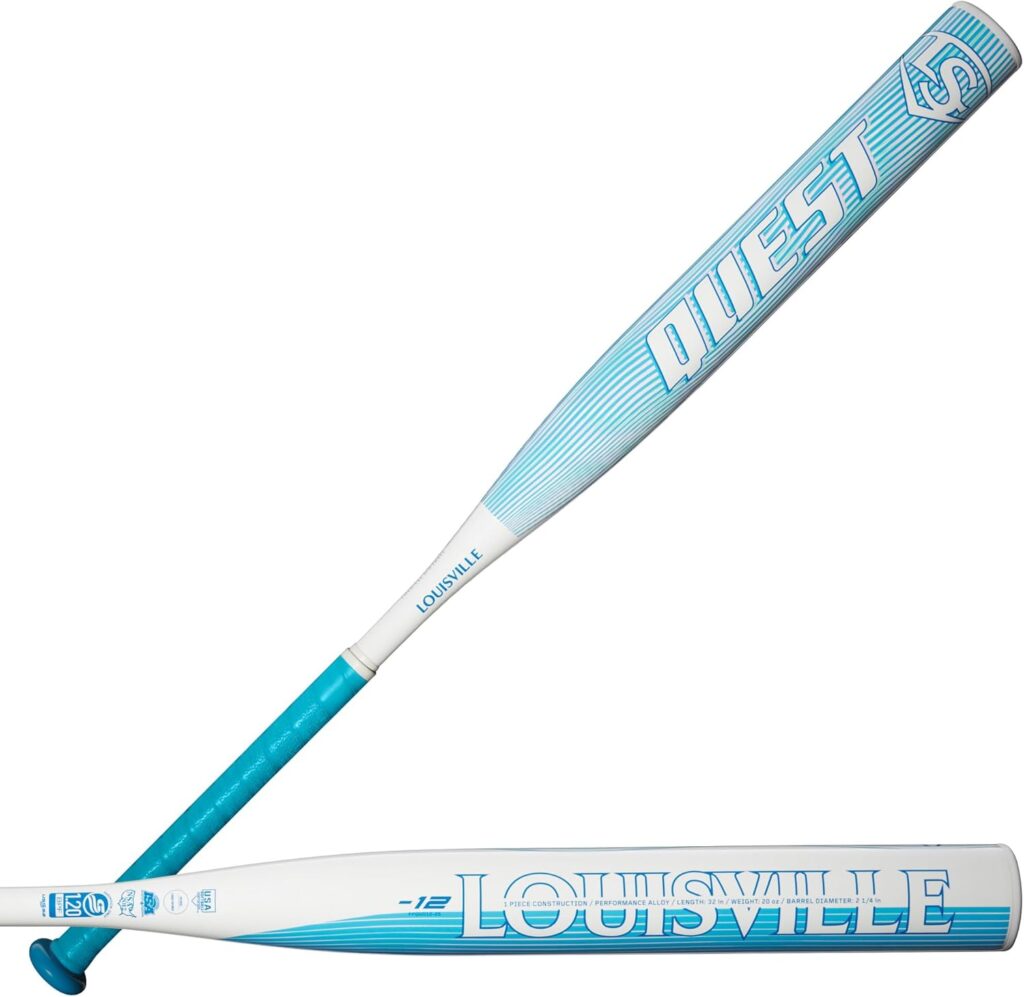
Louisville Slugger 2025 Quest (-12) Fastpitch Softball Bat
Best for
Young fastpitch players who need a light-swinging bat to build confidence, keep mechanics clean, and get the barrel through the zone on time.
Why We Like It
This bat is all about easy bat speed. The ultra-balanced feel helps smaller players stay on plane longer instead of “chopping” or being late. Louisville also keeps it simple: one-piece alloy durability for the kid who’s going to toss it in the bag, drag it out for practice, and do it again tomorrow.
Pros
- Very light, quick swing (-12 is forgiving for youth)
- Balanced feel makes contact easier (especially for new hitters)
- One-piece alloy holds up well to lots of reps
Cons
- If a player is already strong for their age, they might outgrow the “light” feel fast
- Alloy feedback can sting a bit on cold days or handle-side mishits (normal for this category)
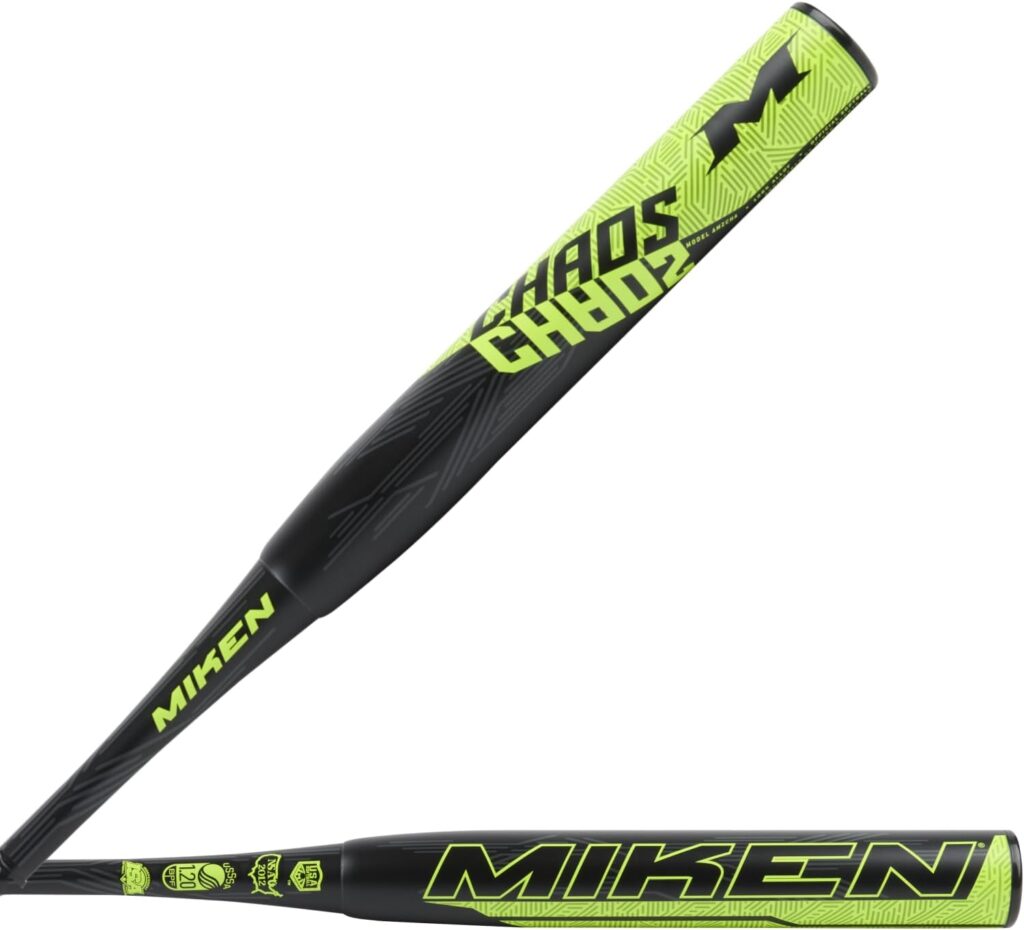
Miken Chaos Slowpitch Softball Bat (All-Association, XL Endload)
Best for
Adult slowpitch players who want a bat that feels like it’s doing some of the work—especially pull hitters who like extra mass through the zone.
Why We Like It
This one is built for slowpitch realities: heavier bat, heavier swings, and that “drive it” contact point. The XL endload is noticeable—when you square it up, it feels like the barrel wants to keep moving through the ball instead of quitting early. It’s also positioned as all-association approved, which is huge for rec leagues where rules vary.
Pros
- XL endload helps power hitters get more carry when timed right
- 14″ barrel gives you a forgiving hitting area
- Approved for play across slowpitch leagues (per listing)
Cons
- Endload can feel clunky if you’re more of a slap/contact hitter
- If you’re used to balanced bats, it may mess with timing for the first few sessions
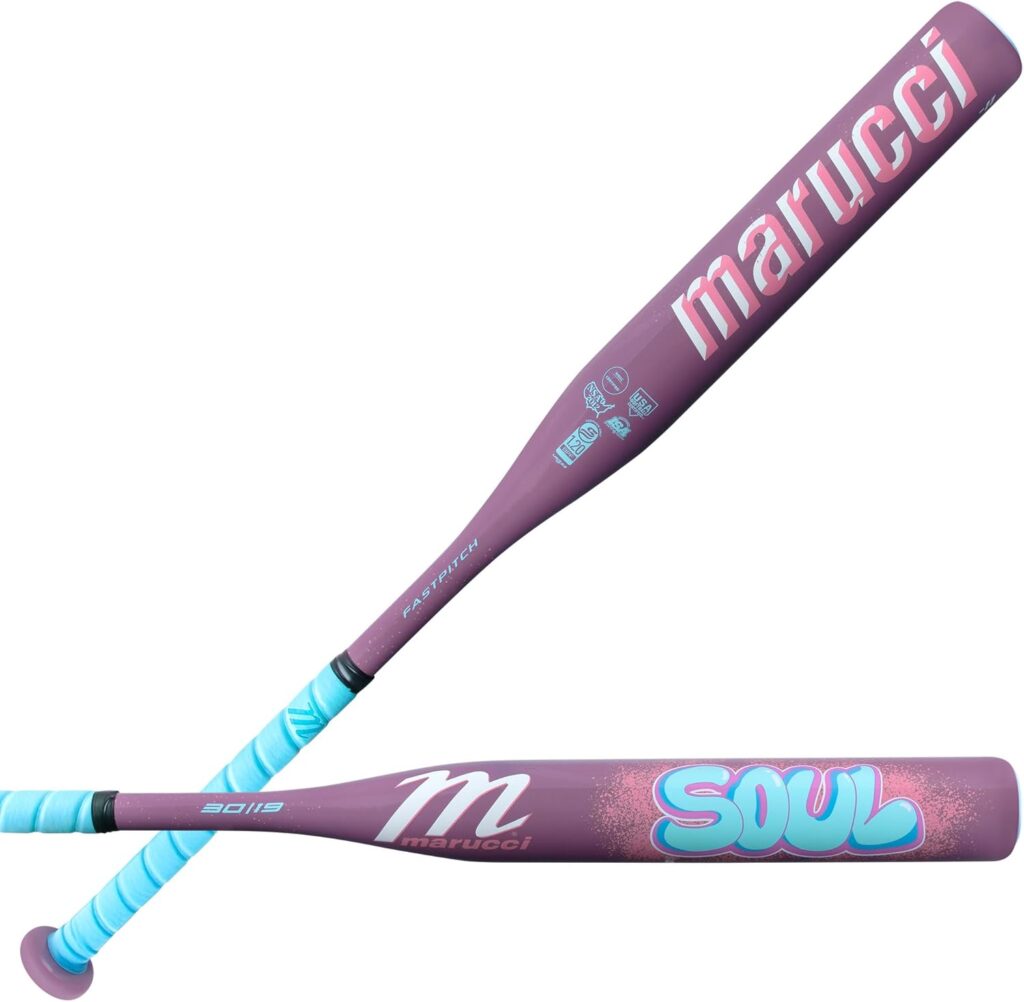
Marucci Soul Fastpitch Alloy (-11)
Best for
Fastpitch players who want a straightforward one-piece alloy that’s lighter than a -10, but still feels more “real” than super-light youth drops.
Why We Like It
This is a no-drama bat: one-piece alloy, traditional swing feel, and a drop that sits in a nice middle zone for developing hitters. The listing calls it a Marucci Soul Fastpitch Alloy -11, and the one-piece build usually means consistent feedback—when you hit it flush, you know it instantly.
Pros
- Simple one-piece feel—consistent feedback and control
- -11 drop is a nice bridge between super-light youth bats and heavier options
- Great “practice-to-games” bat if you don’t want something fragile
Cons
- One-piece alloy can transmit vibration more than two-piece designs
- Not the best choice for players chasing top-end composite “trampoline” pop
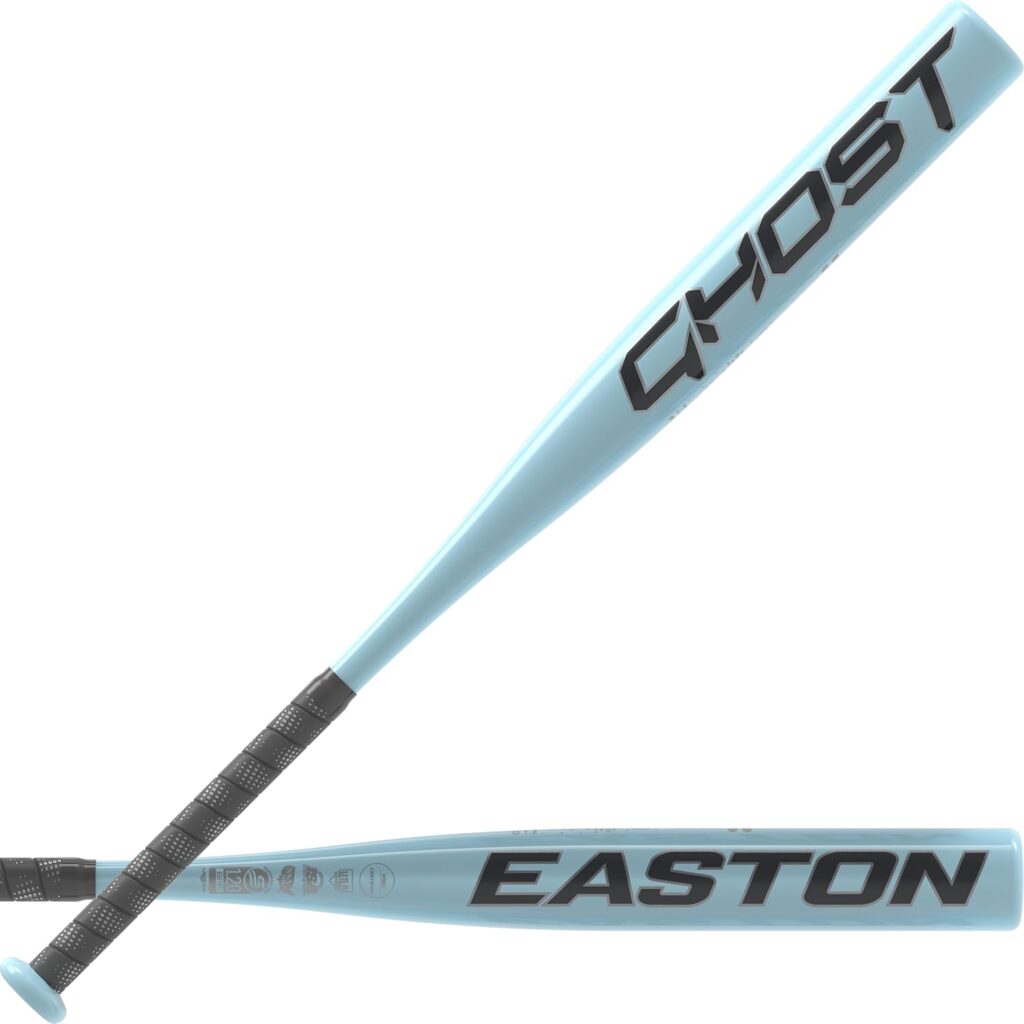
Easton Fastpitch Softball Bat (Approved Aluminum)
Best for
Beginners and budget-focused fastpitch players who need a durable, league-friendly aluminum bat for practices, clinics, and early seasons.
Why We Like It
I couldn’t reliably load the Amazon product page for this specific link during verification (Amazon threw an error when I tried to open it), so I’m basing the “what it is” on the product URL naming plus matching fastpitch aluminum specs commonly sold under Easton’s entry lineup. One widely listed version of this style uses ALX50 alloy, a thin handle, and is approved for fastpitch fields.
In real terms: it’s the kind of bat you buy when you want durability, easy legality, and a price that doesn’t hurt if your kid decides soccer is life next season.
Pros
- Aluminum build = durable and low-maintenance
- Typically balanced and easy to swing for newer hitters
- “Approved for all fastpitch fields” style spec is common for this model class
Cons
- Not a premium “hot bat” if you’re chasing max performance
- Amazon listing details couldn’t be fully opened for this exact ASIN during my check (so double-check size/drop before you buy)
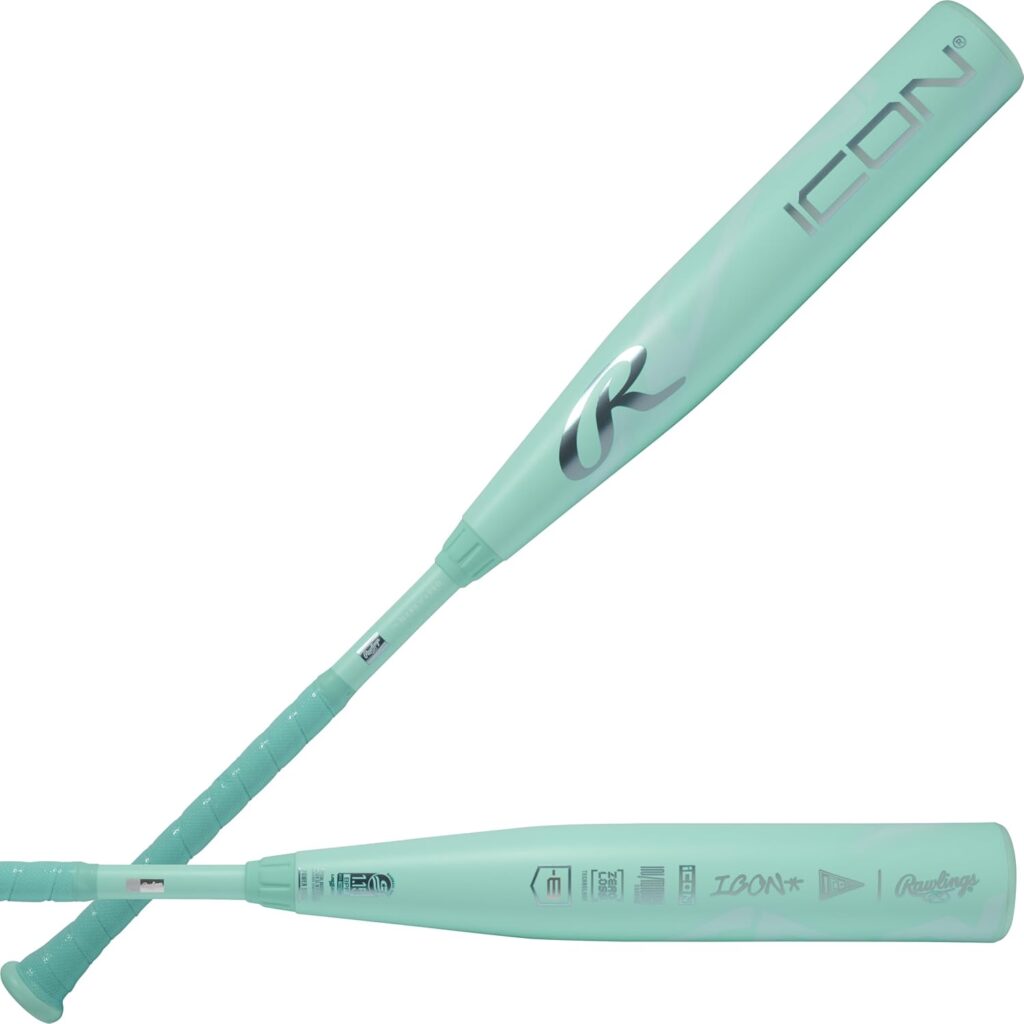
Rawlings 2026 ICON Baseball Bat (USSSA)
Best for
Baseball players in USSSA—NOT softball players.
Why We Like It (for baseball)
It’s a two-piece composite USSSA baseball bat with tech aimed at trampoline effect, vibration reduction, and a tuned swing weight. Sounds awesome—if you’re shopping for baseball.
Pros
- USSSA baseball certification and performance-focused build
- Two-piece composite feel with vibration-focused connection tech
- Balanced-with-slight-end-load type intent (good for many baseball swings)
Cons
- It’s a baseball bat, not a softball bat—wrong tool for softball leagues
- If you buy it for softball, you’re likely wasting money and risking league legality issues
Other Things to Consider (Before You Hit “Buy”)
- Certification and league stamps: Your bat can be perfect and still unusable if it doesn’t match your league (USA Softball, USSSA, etc.). For slowpitch, “all-association” claims can be helpful, but still verify your specific league rules.
- Drop weight and swing weight are not the same: Two -11 bats can feel totally different depending on balance and barrel weighting.
- One-piece vs two-piece: One-piece alloy is durable and simple, but can sting more on mishits. Two-piece designs often feel smoother.
- Grip size and comfort: A grip that’s too thick or too slick changes your swing more than most people admit.
- Weather matters: Alloy bats feel harsher in cold weather; composite performance and durability can also be temperature-sensitive depending on the model.
- Your hitter’s actual strength: Some players need lighter bats for mechanics; others swing light bats so fast they lose control and start rolling over.
Frequently Asked Questions
What’s the real difference between -12 and -11 in fastpitch?
“Drop” is length minus weight. So a 30″ -12 bat weighs about 18 oz, while a 30″ -11 weighs about 19 oz. That single ounce sounds tiny, but it changes timing and control—especially for younger or smaller hitters.
If a player is consistently late, dropping to -12 can help. If a player is early and pulling off the ball, sometimes going slightly heavier (like -11) steadies the swing and improves contact quality. A lot of youth players do great starting with a -12 (like the Louisville Slugger 2025 Quest (-12)) and then moving up as they get stronger.
Is an end-loaded slowpitch bat actually better for home runs?
It can be—if your swing can handle it. Endload means more mass toward the barrel, which can help the bat carry through contact and boost distance. But it also makes the bat feel heavier during the swing, and that can wreck timing for contact hitters or anyone with a quicker, hands-first swing.
A bat like the Miken Chaos (XL Endload) is usually best for hitters who already generate decent bat speed and want that extra “finish through the ball.”
Should beginners buy alloy or composite?
For most beginners: alloy first. Alloy bats are usually cheaper, more durable, and don’t require a break-in period. They also give clearer feedback—if you mishit, you feel it, and that actually helps players learn barrel control.
Composite can be amazing, but it’s typically more expensive and not always the smartest “first bat,” especially if the player is still growing fast and will need a new size soon. An alloy option like the Marucci Soul Fastpitch Alloy (-11) is usually a solid middle step once a player has basic mechanics down.
How do I know if I’m buying a bat that’s not legal for my league?
Start with your league’s rules (website or coach), then match the bat’s certification/stamps. Fastpitch leagues often require USA Softball (ASA) or USSSA (fastpitch) compliance. Slowpitch leagues may have their own stamp requirements too.
If the listing says “approved for all fields” or “all-association,” that’s helpful—but don’t stop there. Confirm your league’s required stamp and barrel specs. For example, the Miken listing explicitly states it’s approved for play in slowpitch leagues, but your specific league might still have restrictions.
One-piece vs two-piece: which one helps with vibration?
In general, two-piece bats tend to feel smoother because the connection can reduce sting and handle vibration better. One-piece alloy bats are more “direct”—great for feedback, but harsher on mishits.
If a player complains about sting a lot, the answer might be: better contact, a better batting glove, or eventually moving to a smoother-feeling construction. But if durability and price matter more, one-piece alloy still wins for many players (like the Quest’s one-piece alloy build).
Conclusion
If you want the easiest, most youth-friendly swing for fastpitch, go with the Louisville Slugger 2025 Quest (-12) because it’s built for bat speed and control. If you’re an adult slowpitch player who likes an end-loaded feel and wants a bat that’s positioned as legal across leagues, the Miken Chaos Slowpitch (All-Association, XL Endload) is the pick. If you want a straightforward fastpitch alloy in that middle ground (-11) for consistent feel and lots of reps, grab the Marucci Soul Fastpitch Alloy (-11). If you’re trying to keep budget tight and just need a durable, league-friendly aluminum starter bat, the Easton Fastpitch Softball Bat (Approved Aluminum) is the practical move. And finally, the Rawlings 2026 ICON (USSSA) is a strong-looking bat—but it’s for baseball, so I’d only buy it if you’re shopping for a USSSA baseball season, not softball.
Leave a Reply