
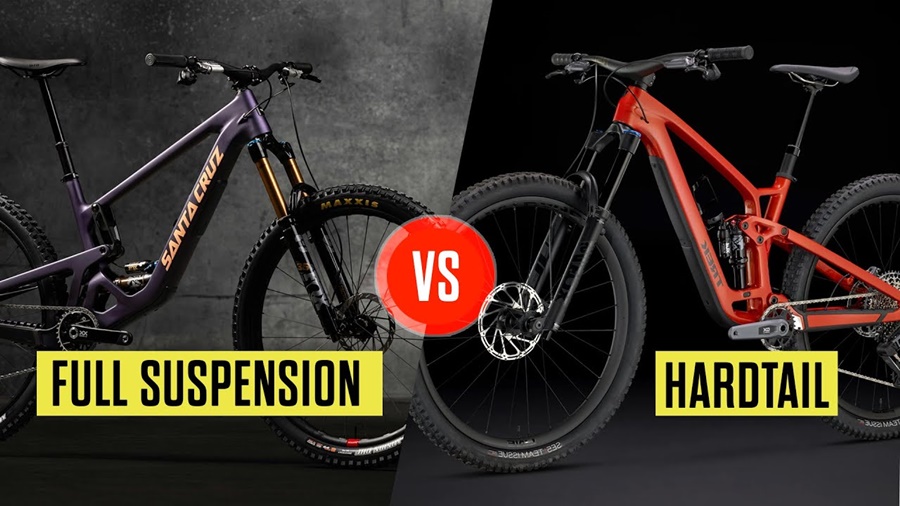
Mountain biking has evolved into one of the most exciting outdoor sports in the world. Whether you ride forest trails, rocky mountain paths, or urban dirt tracks, choosing the right mountain bike can dramatically affect your comfort, performance, and riding experience. One of the biggest decisions every rider faces is choosing between a hardtail and a full suspension mountain bike.
Both bike types have loyal fans, unique advantages, and specific purposes. Some riders prefer the simplicity and efficiency of a hardtail, while others love the comfort and control of full suspension systems. Understanding the differences can help you select the ideal bike for your riding style, terrain, and budget.
This article explores everything you need to know about hardtail and full suspension mountain bikes, including design, performance, advantages, disadvantages, maintenance, cost, and the best choice for different riders.
What Is a Hardtail Mountain Bike?
A hardtail mountain bike has:
- A suspension fork in the front
- No rear suspension
- A rigid rear frame
The front suspension absorbs impacts from rocks, roots, and uneven terrain, while the rear remains stiff and directly connected to the frame.
Hardtails are considered the traditional mountain bike design and remain extremely popular among beginners, cross-country riders, and budget-conscious cyclists.
What Is a Full Suspension Mountain Bike?
A full suspension mountain bike includes:
- Front suspension fork
- Rear suspension shock
- Pivoting rear triangle
Both wheels can absorb impacts independently, providing a smoother and more controlled ride over rough terrain.
Full suspension bikes are commonly used for:
- Trail riding
- Enduro
- Downhill racing
- Technical mountain terrain
These bikes are designed for comfort, traction, and stability on difficult trails.
Key Differences Between Hardtail and Full Suspension Bikes
1. Suspension System
The most obvious difference is the suspension setup.
Hardtail
- Front suspension only
- Rear frame is rigid
- Less moving parts
Full Suspension
- Front and rear suspension
- Better shock absorption
- More advanced frame design
The rear suspension on full suspension bikes helps reduce rider fatigue and improves traction over rough terrain.
2. Weight
Hardtail bikes are generally lighter because they have fewer components.
Hardtail Advantages
- Easier to pedal uphill
- Faster acceleration
- Better efficiency
Full Suspension Drawbacks
- Heavier frame
- More components
- Additional shock hardware
Weight matters for riders who prioritize climbing speed and long-distance efficiency.
3. Climbing Performance
Hardtails are excellent climbers because pedaling power transfers directly to the rear wheel.
Why Hardtails Climb Better
- Less energy loss
- Lower weight
- Efficient pedaling platform
Full suspension bikes can lose some pedaling energy due to suspension movement, although modern suspension designs have improved significantly.
However, on technical climbs with rocks and roots, full suspension bikes may offer better traction because the rear wheel stays connected to the ground more effectively.
4. Descending Capability
This is where full suspension bikes shine.
Full Suspension Benefits on Descents
- Better shock absorption
- Improved control
- Increased traction
- Greater rider confidence
Hardtails can feel rough and unstable on steep, technical descents because the rear wheel transfers impacts directly to the rider.
Riders tackling aggressive downhill trails usually prefer full suspension bikes.
5. Comfort
Comfort is one of the biggest advantages of full suspension mountain bikes.
Hardtail Comfort
- More vibration transfer
- Rougher ride on technical terrain
- Rider absorbs more impacts
Full Suspension Comfort
- Smoother ride
- Reduced fatigue
- Better handling on rough surfaces
For long rides on rocky trails, full suspension bikes are generally more comfortable.
6. Maintenance
Hardtails are simpler and easier to maintain.
Hardtail Maintenance
- Fewer moving parts
- Lower repair costs
- Easier cleaning
Full Suspension Maintenance
- Pivot bearings require servicing
- Rear shocks need tuning
- More components can wear out
If you prefer simplicity and low maintenance, hardtails are often the better choice.
7. Cost
Budget is one of the most important factors for many riders.
Hardtail Pricing
Hardtails are usually more affordable because they have:
- Simpler frames
- Fewer suspension components
- Lower manufacturing costs
Full Suspension Pricing
Full suspension bikes are significantly more expensive due to:
- Complex frame engineering
- Rear shock systems
- Additional hardware
In many cases, a high-quality hardtail costs the same as an entry-level full suspension bike.
Riding Experience Comparison
Hardtail Riding Feel
Hardtails feel:
- Fast
- Direct
- Responsive
- Efficient
They force riders to choose cleaner lines and develop better technical skills because mistakes are less forgiving.
Many experienced riders believe hardtails improve riding technique faster than full suspension bikes.
Full Suspension Riding Feel
Full suspension bikes feel:
- Stable
- Smooth
- Forgiving
- Confidence-inspiring
They allow riders to attack rough trails more aggressively with greater control and comfort.
Beginners often feel more secure on technical terrain with full suspension bikes.
Best Terrain for Hardtail Bikes
Hardtails perform best on:
- Smooth trails
- Cross-country routes
- Flow trails
- Gravel paths
- Light technical terrain
They are especially effective for:
- Fitness riding
- Racing
- Climbing-focused trails
Best Terrain for Full Suspension Bikes
Full suspension bikes excel on:
- Rocky trails
- Steep descents
- Root-filled terrain
- Bike parks
- Technical mountain routes
They are ideal for:
- Aggressive trail riding
- Enduro racing
- Downhill riding
Hardtail Pros and Cons
Advantages
- Lower cost
- Lightweight
- Easier maintenance
- Better climbing efficiency
- Improves rider skills
Disadvantages
- Less comfort
- Rougher descents
- Reduced traction on technical terrain
- More rider fatigue
Full Suspension Pros and Cons
Advantages
- Superior comfort
- Better control
- Improved traction
- More confidence on difficult trails
- Excellent downhill performance
Disadvantages
- Higher cost
- More maintenance
- Heavier weight
- Slightly less pedaling efficiency
Which Bike Is Better for Beginners?
The answer depends on the rider’s goals and budget.
Choose a Hardtail If:
- You are new to mountain biking
- You ride smoother trails
- You want lower maintenance
- You have a limited budget
- You want to improve technical skills
Choose Full Suspension If:
- You ride rough terrain
- Comfort matters most
- You plan aggressive trail riding
- You want maximum control
- Budget is less of a concern
Many beginners start with hardtails because they are affordable and versatile.
Which Bike Is Better for Experienced Riders?
Experienced riders often choose based on terrain and riding style.
Cross-Country Riders
Usually prefer hardtails or lightweight full suspension bikes.
Trail Riders
Often prefer full suspension for versatility.
Downhill Riders
Almost always choose full suspension.
Adventure Riders
May prefer hardtails for reliability and easier repairs.
Electric Mountain Bikes
The rise of electric mountain bikes (e-MTBs) has changed the debate slightly.
Because motors help with climbing:
- Weight matters less
- Full suspension becomes more attractive
Most high-end e-MTBs use full suspension because comfort and traction become priorities.
How to Choose the Right Bike
Before buying, ask yourself:
1. What Terrain Will You Ride?
Smooth trails favor hardtails.
Technical trails favor full suspension.
2. What Is Your Budget?
Hardtails provide better value at lower prices.
3. How Important Is Comfort?
Full suspension offers a noticeably smoother ride.
4. Do You Enjoy Maintenance?
Hardtails require less upkeep.
5. What Are Your Riding Goals?
Fitness and efficiency may favor hardtails.
Aggressive trail riding may favor full suspension.
Common Myths About Hardtail and Full Suspension Bikes
Myth 1: Hardtails Are Only for Beginners
False. Many advanced riders love hardtails for their simplicity and challenge.
Myth 2: Full Suspension Bikes Are Always Faster
Not necessarily. On smooth terrain, hardtails can be faster and more efficient.
Myth 3: Full Suspension Eliminates Skill Requirements
False. Skill still matters greatly, although suspension can make trails more forgiving.
Conclusion
Choosing between a hardtail and a full suspension mountain bike ultimately depends on your riding style, terrain, experience level, and budget. Hardtail bikes offer simplicity, lighter weight, lower maintenance, and excellent climbing efficiency, making them ideal for beginners, cross-country riders, and those who prefer smoother trails. On the other hand, full suspension bikes provide superior comfort, traction, and control on rough and technical terrain, making them the preferred choice for aggressive trail riders and downhill enthusiasts.
Neither option is universally better than the other. A hardtail can help riders develop technical skills and enjoy a more direct riding experience, while a full suspension bike delivers confidence and comfort on demanding trails. The best choice is the bike that matches your needs and encourages you to ride more often.





Leave a Reply