
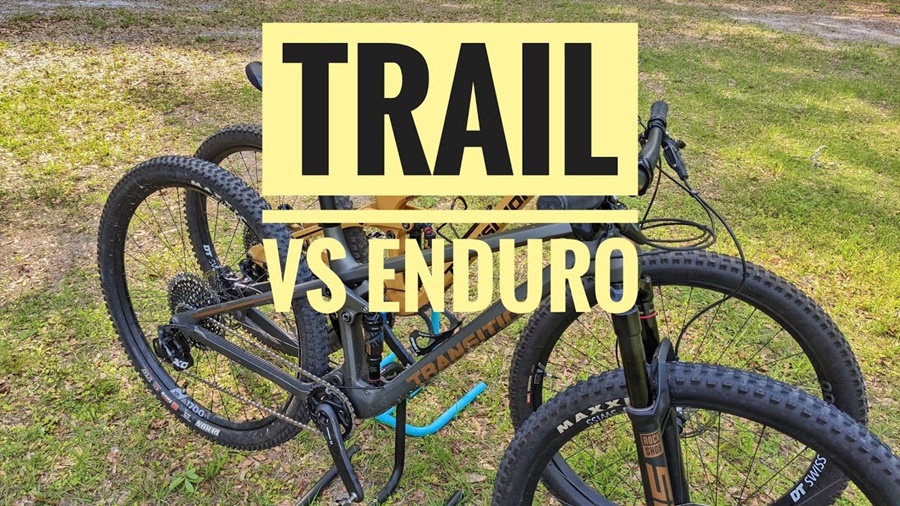
Mountain biking has evolved into many specialized disciplines, and two of the most popular categories today are trail bikes and enduro bikes. While they may look similar at first glance, these bikes are built for different riding styles, terrain, and performance goals.
If you are trying to decide between a trail bike and an enduro bike, understanding the differences in geometry, suspension, climbing ability, descending performance, and overall versatility is essential. This guide explains everything you need to know.
What Is a Trail Bike?
A trail bike is considered the most versatile type of mountain bike. It is designed to handle a wide variety of terrain, including climbs, descents, technical sections, flow trails, and everyday riding.
Trail bikes are often called the “do-it-all” category because they balance efficiency and capability.
Key Features of a Trail Bike
- Moderate suspension travel
- Lightweight frame
- Efficient climbing performance
- Agile handling
- Comfortable for long rides
- Suitable for beginners and experienced riders
Most trail bikes have:
- Front suspension travel: 120mm–150mm
- Rear suspension travel: 120mm–140mm
- Head tube angle: 65°–67°
Trail bikes are ideal for riders who enjoy exploring different trails without focusing entirely on downhill speed.
What Is an Enduro Bike?
An enduro bike is designed primarily for aggressive descending on steep, rough, and technical terrain while still being capable of climbing uphill.
Enduro riding originated from enduro racing, where riders climb to stages and are timed mainly on downhill sections. Because of this, enduro bikes prioritize downhill stability and control over climbing efficiency.
Key Features of an Enduro Bike
- Long suspension travel
- Slack geometry
- Strong and durable frame
- Excellent downhill capability
- Stable at high speeds
- Built for rough terrain and jumps
Most enduro bikes feature:
- Front suspension travel: 160mm–180mm
- Rear suspension travel: 150mm–170mm
- Head tube angle: 63°–65°
Enduro bikes excel on steep descents, rock gardens, drops, bike parks, and technical trails.
Main Differences Between Trail Bikes and Enduro Bikes
1. Suspension Travel
The biggest difference between these two bikes is suspension travel.
Trail Bike
Trail bikes use moderate suspension travel for efficiency and responsiveness.
Benefits:
- Better pedaling efficiency
- Lighter feel
- More responsive handling
- Easier climbing
Enduro Bike
Enduro bikes have longer travel suspension to absorb bigger impacts.
Benefits:
- Smoother downhill performance
- Better control on rough terrain
- More confidence at high speed
- Handles large jumps and drops
However, longer suspension travel usually adds weight and reduces climbing efficiency.
2. Geometry
Bike geometry greatly affects handling and rider position.
Trail Bike Geometry
Trail bikes have:
- Steeper head angles
- Shorter wheelbases
- More upright riding position
This creates:
- Nimble steering
- Easier cornering
- Better maneuverability
- Comfortable long-distance riding
Enduro Bike Geometry
Enduro bikes feature:
- Slacker head angles
- Longer wheelbases
- Lower bottom brackets
This improves:
- Stability at speed
- Confidence on steep descents
- Control over rough terrain
The trade-off is slower steering and less agility on tight trails.
3. Climbing Performance
Trail Bikes Climb Better
Trail bikes are generally superior climbers because they:
- Weigh less
- Have more efficient suspension
- Offer a more upright riding position
- Transfer power better
They feel faster and more energetic on long climbs.
Enduro Bikes Are Heavier
Enduro bikes can climb, but they require more effort because:
- Longer suspension absorbs pedaling energy
- Heavier frames increase fatigue
- Slack geometry reduces climbing efficiency
Modern enduro bikes have improved significantly, but trail bikes still win in uphill efficiency.
4. Descending Performance
Enduro Bikes Dominate Downhill
This is where enduro bikes shine.
Advantages include:
- Superior stability
- Better shock absorption
- More traction
- Increased confidence on steep terrain
They are built to handle:
- Rock gardens
- Large drops
- Fast descents
- Technical downhill sections
Trail Bikes Are More Balanced
Trail bikes can descend well, but they are not as forgiving on extremely rough terrain.
They work best for:
- Moderate descents
- Flow trails
- Mixed terrain
- Everyday trail riding
5. Weight
Trail Bikes Are Lighter
A lighter bike means:
- Easier climbing
- Faster acceleration
- Less rider fatigue
- More playful handling
Trail bikes typically weigh:
- 12kg–15kg (26–33 lbs)
Enduro Bikes Are Heavier
The extra suspension and stronger components increase weight.
Typical enduro bike weight:
- 14kg–18kg (31–40 lbs)
The added weight improves durability and downhill performance but affects efficiency.
6. Durability
Enduro bikes are usually more durable because they are designed for aggressive riding.
They include:
- Stronger frames
- Heavy-duty wheels
- More powerful brakes
- Reinforced components
Trail bikes prioritize balance and lighter weight, so they may not tolerate repeated big impacts as well as enduro bikes.
7. Riding Style
Choose a Trail Bike If You:
- Ride a mix of climbs and descents
- Enjoy long-distance rides
- Want one bike for everything
- Prefer efficiency and versatility
- Ride smoother or moderate trails
Trail bikes are perfect for:
- Weekend riders
- Fitness riding
- General mountain biking
- All-around trail exploration
Choose an Enduro Bike If You:
- Focus mainly on downhill riding
- Ride steep or technical terrain
- Visit bike parks often
- Enjoy jumps and drops
- Race enduro events
Enduro bikes suit:
- Aggressive riders
- Advanced mountain bikers
- Riders in mountainous terrain
- Gravity-focused cyclists
Comfort and Efficiency
Trail Bikes
Trail bikes are often more comfortable for:
- Long rides
- Daily use
- Pedaling efficiency
- Cross-country adventures
They require less energy during all-day rides.
Enduro Bikes
Enduro bikes provide comfort mainly during:
- Rough descents
- High-speed riding
- Technical terrain
However, they can feel sluggish on flat trails and climbs.
Maintenance Differences
Enduro bikes usually require more maintenance because:
- Suspension systems are more complex
- Components experience higher stress
- Bearings and pivots wear faster
Trail bikes are generally simpler and cheaper to maintain over time.
Which Bike Is Better for Beginners?
For most beginners, a trail bike is the better option because:
- It is easier to handle
- Climbs more efficiently
- Feels less intimidating
- Works well on many trail types
- Costs less in many cases
An enduro bike may feel excessive for riders who are not regularly tackling aggressive terrain.
Price Comparison
Prices vary widely depending on components and materials.
Trail Bikes
Typical range:
- Mid-range to premium options available
- Generally cheaper than enduro bikes
Enduro Bikes
Usually more expensive due to:
- Advanced suspension
- Stronger components
- Heavy-duty construction
High-end carbon enduro bikes can be extremely costly.
Trail Bike Pros and Cons
Pros
- Excellent versatility
- Better climbing efficiency
- Lighter weight
- More playful handling
- Comfortable for long rides
Cons
- Less capable on extreme descents
- Limited suspension for big impacts
- Not ideal for bike park abuse
Enduro Bike Pros and Cons
Pros
- Incredible downhill performance
- Stable at high speed
- Handles rough terrain easily
- Strong and durable
- Great for aggressive riding
Cons
- Heavier
- Less efficient climbing
- More expensive
- Requires more maintenance
- Slower handling on mellow trails
Can a Trail Bike Do Enduro Riding?
Yes, modern trail bikes are surprisingly capable. Skilled riders can ride technical terrain and even race light enduro courses on a trail bike.
However, on extremely steep or rough descents, an enduro bike provides:
- More safety
- Better control
- Reduced fatigue
- Greater confidence
Can an Enduro Bike Be Used for Trail Riding?
Absolutely. Many riders use enduro bikes for regular trail riding.
The downside is that:
- Climbs require more effort
- Flat trails may feel less exciting
- The bike can feel overbuilt for simple terrain
If most of your riding is moderate trails, a trail bike may be more enjoyable.
Conclusion
Choosing between a trail bike and an enduro bike ultimately comes down to your riding style, terrain, and personal preferences. Trail bikes are the perfect all-around option for riders who want a balance of climbing efficiency, comfort, agility, and downhill capability. They are lightweight, versatile, and ideal for everyday mountain biking on mixed terrain.
On the other hand, enduro bikes are built for aggressive riding and demanding descents. With longer suspension travel, stronger components, and more stable geometry, they provide superior control and confidence on steep, rough, and technical trails. Although they are heavier and less efficient on climbs, they excel when the trail points downhill.
If you enjoy long rides, varied trails, and overall versatility, a trail bike is likely the better choice. However, if your focus is high-speed descents, bike parks, jumps, and technical terrain, an enduro bike will deliver better performance and durability.
Both bike categories offer excellent experiences, and neither is universally better than the other. The best choice is the one that matches your riding goals and helps you enjoy every ride to the fullest.


Leave a Reply