
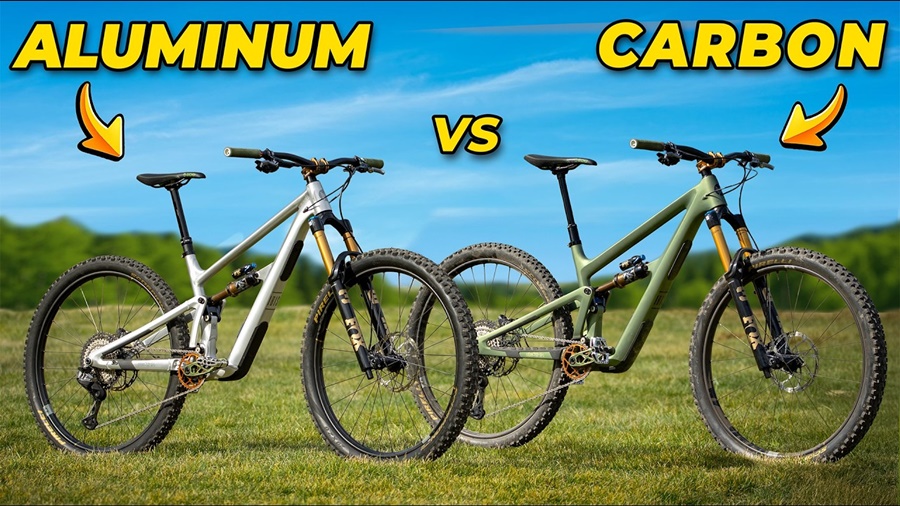
Mountain biking has evolved rapidly over the last two decades, and one of the biggest debates among riders today is the choice between aluminum and carbon fiber frames. Whether you are buying your first trail bike or upgrading to a high-performance machine, the frame material plays a major role in ride quality, durability, weight, handling, and cost.
Both aluminum and carbon fiber mountain bikes have advantages and disadvantages. The right option depends on your riding style, budget, terrain, and long-term expectations. This article explores the differences in detail to help you make the best decision.
Understanding Mountain Bike Frame Materials
The frame is the backbone of a mountain bike. It determines how the bike feels on climbs, descents, jumps, and technical terrain. Modern mountain bikes are commonly made from two materials:
- Aluminum alloy
- Carbon fiber composite
Each material behaves differently under stress and offers unique riding characteristics.
What Is an Aluminum Mountain Bike?
Aluminum mountain bikes are built using aluminum alloys, usually mixed with metals like magnesium or zinc for added strength. Aluminum became popular because it is lightweight, affordable, and resistant to rust.
Most entry-level and mid-range mountain bikes use aluminum frames, though many professional riders still choose high-end aluminum models for aggressive riding.
Advantages of Aluminum Bikes
1. Lower Cost
One of the biggest reasons riders choose aluminum is affordability. Aluminum bikes usually cost significantly less than carbon fiber models.
This makes aluminum ideal for:
- Beginners
- Budget-conscious riders
- Riders who want better components for less money
Instead of spending heavily on frame material, you can invest in:
- Better suspension
- Higher-quality brakes
- Superior drivetrain components
2. Strong and Durable
Aluminum frames are very tough and can handle rough riding conditions. They resist impacts well and are commonly used for:
- Trail riding
- Enduro riding
- Bike parks
- Downhill applications
Small crashes and scratches generally do not affect performance significantly.
3. Easier Maintenance
Aluminum bikes are relatively simple to maintain. Minor cosmetic damage is usually not a major concern, and riders often feel more comfortable pushing an aluminum bike hard without worrying excessively about frame damage.
4. Excellent Value
Modern aluminum frame technology has improved dramatically. Many premium aluminum bikes now offer ride quality close to carbon bikes at a much lower price.
Disadvantages of Aluminum Bikes
1. Heavier Weight
Aluminum is heavier than carbon fiber. While the difference may not seem huge initially, it becomes noticeable during:
- Long climbs
- Cross-country racing
- Extended rides
Extra weight can increase rider fatigue over time.
2. Stiffer Ride Feel
Aluminum frames tend to transmit more trail vibrations to the rider. On rough terrain, this can create a harsher ride compared to carbon fiber.
3. Limited Custom Flex Characteristics
Manufacturers have less control over how aluminum flexes. As a result, ride tuning options are more limited than carbon construction.
What Is a Carbon Fiber Mountain Bike?
Carbon fiber frames are made from woven carbon strands bonded together with resin. Unlike metal frames, carbon bikes are engineered layer by layer to achieve specific performance characteristics.
Carbon fiber is widely used in high-end mountain bikes because of its exceptional strength-to-weight ratio.
Advantages of Carbon Fiber Bikes
1. Lightweight Performance
Carbon fiber frames are considerably lighter than aluminum frames.
Benefits include:
- Faster climbing
- Easier acceleration
- Better maneuverability
- Reduced fatigue on long rides
Competitive riders often prioritize lightweight bikes for performance gains.
2. Better Ride Quality
Carbon fiber naturally absorbs vibrations better than aluminum. This creates a smoother and more comfortable ride, especially on rough trails.
The reduced trail chatter helps riders maintain control and conserve energy during long rides.
3. Tunable Frame Design
Manufacturers can engineer carbon frames with different stiffness zones. For example:
- Stiff bottom bracket for efficient pedaling
- Flexible rear triangle for comfort
- Reinforced head tube for steering precision
This ability allows designers to optimize performance in ways aluminum cannot easily match.
4. Premium Performance
Carbon bikes are often associated with elite-level performance. They typically feature advanced geometry and cutting-edge engineering.
Many professional racers prefer carbon bikes because of:
- Responsiveness
- Precision handling
- Efficient power transfer
Disadvantages of Carbon Fiber Bikes
1. Higher Price
Carbon fiber bikes are expensive. Manufacturing carbon frames requires advanced engineering and labor-intensive production processes.
A carbon mountain bike can cost substantially more than a comparable aluminum model.
2. Impact Sensitivity
Although carbon fiber is extremely strong, sharp impacts can sometimes cause hidden structural damage.
A severe crash may lead to:
- Cracks
- Delamination
- Internal weakness
Damage is not always visible immediately.
3. More Expensive Repairs
Repairing carbon fiber requires specialized skills and materials. In some cases, repairs may be costly or impractical.
4. Psychological Concern
Some riders feel nervous about damaging an expensive carbon frame during aggressive riding or transportation.
Weight Comparison
Weight is one of the most discussed differences between aluminum and carbon mountain bikes.
Typical frame weight differences:
- Aluminum frame: heavier
- Carbon frame: lighter by several hundred grams to over one kilogram
For casual riders, the difference may not drastically affect enjoyment. However, for racers and endurance riders, reduced weight can significantly improve efficiency.
Ride Feel and Comfort
Ride feel is subjective, but many riders notice important differences.
Aluminum Ride Characteristics
- More direct feedback
- Firm and responsive
- Slightly harsher on rough terrain
Some aggressive riders actually prefer this lively and raw trail feel.
Carbon Fiber Ride Characteristics
- Smoother vibration damping
- More refined handling
- Increased comfort over long distances
Carbon often feels calmer and more controlled on technical trails.
Durability and Longevity
Aluminum Longevity
Aluminum can develop fatigue over many years of heavy use, but modern frames are highly durable.
It generally handles:
- Scratches
- Dents
- Minor crashes
better than carbon from a cosmetic standpoint.
Carbon Fiber Longevity
Carbon does not fatigue like metal in the same way, which means it can theoretically maintain performance for a long time if not damaged.
However, direct impacts can create structural problems that require inspection.
Which Is Better for Beginners?
For most beginners, aluminum is usually the smarter choice.
Reasons include:
- Lower upfront cost
- Better value
- Reduced worry about damage
- Ability to spend more on quality components
A good aluminum bike can provide excellent performance for years.
Which Is Better for Racing?
Carbon fiber is often preferred for racing because of:
- Lower weight
- Better power transfer
- Improved efficiency
- Enhanced vibration damping
Cross-country racers especially benefit from lightweight carbon bikes.
However, some downhill and freeride athletes still use aluminum because of its toughness and lower replacement cost.
Maintenance and Repair
Aluminum Maintenance
- Easy to inspect
- Dents usually visible
- Less expensive to replace
Carbon Maintenance
- Requires careful inspection after impacts
- Professional repair often necessary
- More expensive replacement costs
Regular frame checks are important for both materials.
Environmental Impact
Environmental considerations are becoming increasingly important.
Aluminum Recycling
Aluminum is highly recyclable and easier to reuse.
Carbon Fiber Recycling
Carbon fiber recycling is more difficult and less widespread. Manufacturing also consumes significant energy.
However, advances in sustainable composites are improving the situation gradually.
Cost Comparison
Here is a general comparison:
| Feature | Aluminum | Carbon Fiber |
|---|---|---|
| Price | Lower | Higher |
| Weight | Heavier | Lighter |
| Ride Comfort | Firmer | Smoother |
| Durability | Very tough | Strong but impact-sensitive |
| Repairs | Easier | More specialized |
| Racing Performance | Good | Excellent |
| Beginner Friendly | Excellent | Less practica |
Who Should Choose Aluminum?
Aluminum is ideal for riders who:
- Are new to mountain biking
- Ride aggressively
- Want maximum value
- Prefer durability over low weight
- Have a limited budget
An aluminum bike can deliver incredible performance without the premium cost.
Who Should Choose Carbon Fiber?
Carbon fiber is ideal for riders who:
- Race competitively
- Prioritize lightweight performance
- Ride long distances frequently
- Want premium ride quality
- Have a larger budget
For serious enthusiasts, carbon can provide a noticeable performance advantage.
Conclusion
There is no universal winner in the aluminum vs carbon fiber mountain bike debate. Both materials are highly capable and continue to improve with modern engineering.
Choose aluminum if you want durability, affordability, and excellent all-around value.
Choose carbon fiber if you prioritize lightweight performance, comfort, and high-end ride characteristics.
Ultimately, the best mountain bike is the one that fits your riding style, budget, and goals. A well-designed bike with good components will always outperform a poorly chosen bike, regardless of frame material.





Leave a Reply