
Choosing the right soccer cleats can significantly impact your performance, comfort, and safety on the field. Among the most common types of soccer footwear are Firm Ground (FG) and Soft Ground (SG) cleats. While they may look similar at first glance, each is designed for specific playing conditions and surfaces.
Understanding the differences between FG and SG cleats will help players make informed decisions and maximize their performance during matches and training sessions.
What Are Firm Ground (FG) Soccer Cleats?
Firm Ground (FG) soccer cleats are designed for natural grass fields that are dry or slightly damp. These are the most versatile and widely used soccer cleats worldwide.
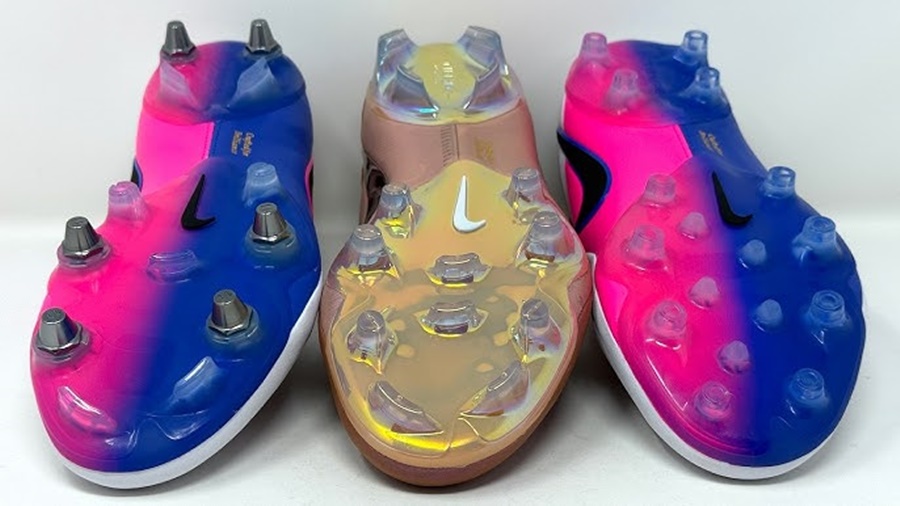
FG cleats typically feature molded studs made from plastic, rubber, or TPU (thermoplastic polyurethane). The studs are permanently attached to the soleplate and are strategically arranged to provide excellent traction, stability, and maneuverability.
Key Features of FG Cleats
- Molded, non-removable studs
- Designed for firm natural grass surfaces
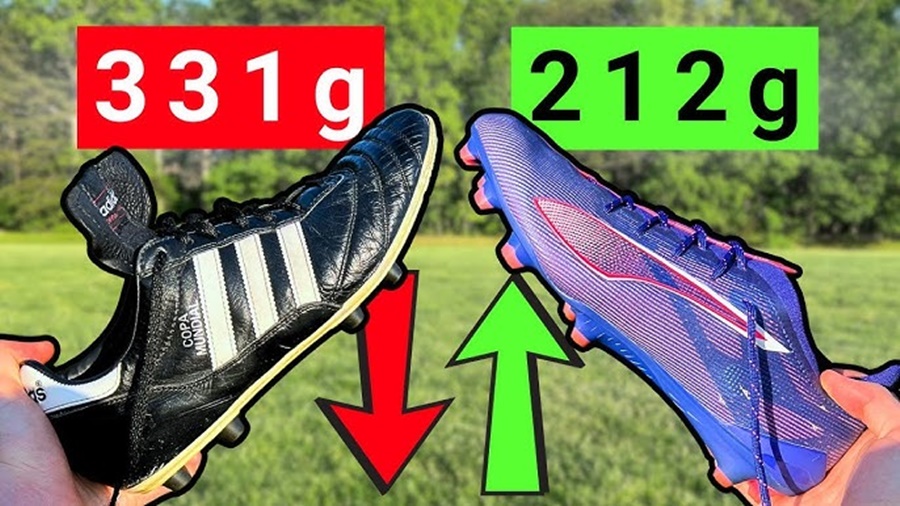
- Lightweight construction
- Balanced traction and comfort
- Suitable for most standard soccer fields
Advantages of FG Cleats
Versatility
FG cleats can perform well on a wide range of natural grass surfaces, making them ideal for players who compete on different fields.
Comfort
The molded stud design distributes pressure evenly across the foot, enhancing comfort during long matches.
Durability
Since the studs are permanently attached, FG cleats generally require less maintenance and tend to last longer.
Speed and Agility
The stud pattern is optimized for quick changes of direction, acceleration, and overall agility.
Disadvantages of FG Cleats
- Less effective on muddy or waterlogged fields
- Reduced grip on extremely soft surfaces
- Higher risk of slipping in wet conditions
What Are Soft Ground (SG) Soccer Cleats?
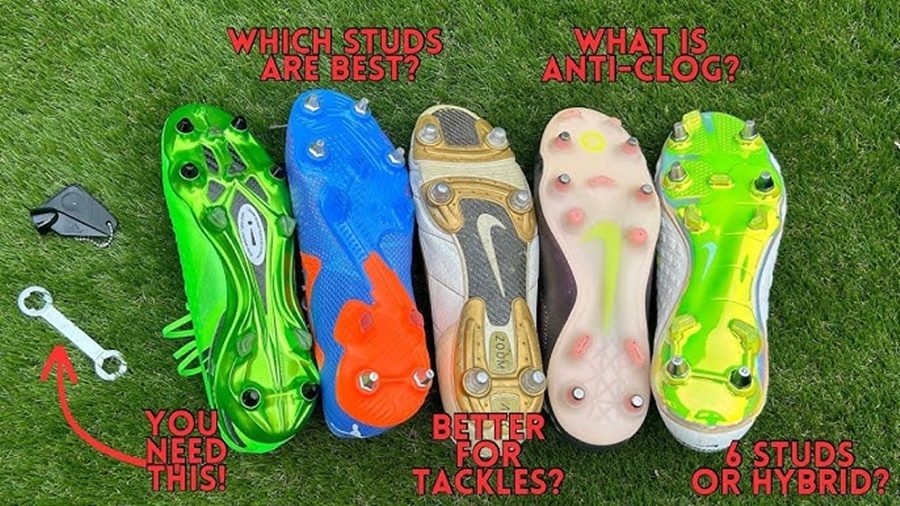
Soft Ground (SG) soccer cleats are specifically designed for wet, muddy, and soft natural grass fields. These cleats feature longer studs that penetrate deeper into the ground to provide superior traction.
Most SG cleats use metal-tipped or detachable studs, allowing players to customize stud length depending on field conditions.
Key Features of SG Cleats
- Longer studs than FG models
- Often feature detachable metal studs
- Designed for muddy and wet pitches
- Enhanced grip and stability
- Ideal for professional and competitive play in adverse weather
Advantages of SG Cleats
Superior Traction
The longer studs dig deeper into soft ground, reducing slippage and improving balance.
Better Stability in Wet Conditions
SG cleats help players maintain footing during rainy matches and on muddy surfaces.
Customizable Stud Length
Many SG models allow players to replace studs with different lengths based on field conditions.
Improved Confidence
Players can move aggressively without worrying about losing traction on slippery surfaces.
Disadvantages of SG Cleats
- Heavier than FG cleats
- Less comfortable on hard surfaces
- Can damage artificial turf and firm fields
- Typically more expensive
FG vs SG Cleats: Side-by-Side Comparison
| Feature | Firm Ground (FG) | Soft Ground (SG) |
|---|---|---|
| Best Surface | Dry or slightly damp natural grass | Wet, muddy natural grass |
| Stud Type | Molded studs | Longer, often detachable studs |
| Weight | Lighter | Heavier |
| Traction | Moderate to high | Very high |
| Comfort | Excellent | Good |
| Durability | High | Moderate |
| Maintenance | Low | Higher |
| Cost | Usually lower | Usually higher |
When Should You Wear FG Cleats?
FG cleats are the best option when:
- The field is dry or only slightly wet.
- Grass is short and well-maintained.
- You play on multiple natural grass surfaces.
- You need a versatile pair of cleats for regular training and matches.
Most amateur and recreational soccer players use FG cleats because they perform well in a variety of normal field conditions.
When Should You Wear SG Cleats?
SG cleats are ideal when:
- The field is muddy or waterlogged.
- Heavy rain has softened the playing surface.
- You frequently play during wet seasons.
- Maximum traction is required for competitive matches.
Professional players often switch to SG cleats when weather conditions make the pitch slippery and unstable.
Can You Use SG Cleats on Firm Ground?
Using SG cleats on firm ground is generally not recommended. The longer studs may not penetrate the surface properly, causing discomfort and reducing stability. Additionally, excessive pressure on the studs can increase the risk of injury and accelerate wear on the cleats.
Players may also experience less control and balance because the studs create uneven contact with the ground.
Can You Use FG Cleats on Soft Ground?
While FG cleats can be used on slightly damp fields, they are not ideal for muddy conditions. The shorter molded studs cannot penetrate deeply enough into soft ground, resulting in reduced traction and a greater chance of slipping.
In wet weather, SG cleats provide a clear advantage in grip and stability.
Which Cleat Type Is Best for Most Players?
For most soccer players, FG cleats are the best overall choice. They are versatile, comfortable, durable, and suitable for the majority of natural grass fields.
However, players who regularly compete in rainy climates or on muddy pitches should consider owning a pair of SG cleats as well. Having both options ensures optimal performance regardless of weather or field conditions.
Conclusion
The choice between Firm Ground (FG) and Soft Ground (SG) soccer cleats depends primarily on field conditions. FG cleats excel on dry and moderately firm natural grass, making them the most versatile option for everyday play. SG cleats, on the other hand, are designed to provide exceptional grip and stability on wet, muddy surfaces where standard cleats may struggle.
By selecting the appropriate cleat type for the playing surface, soccer players can improve traction, reduce injury risk, and perform at their highest level throughout the season.
Leave a Reply