
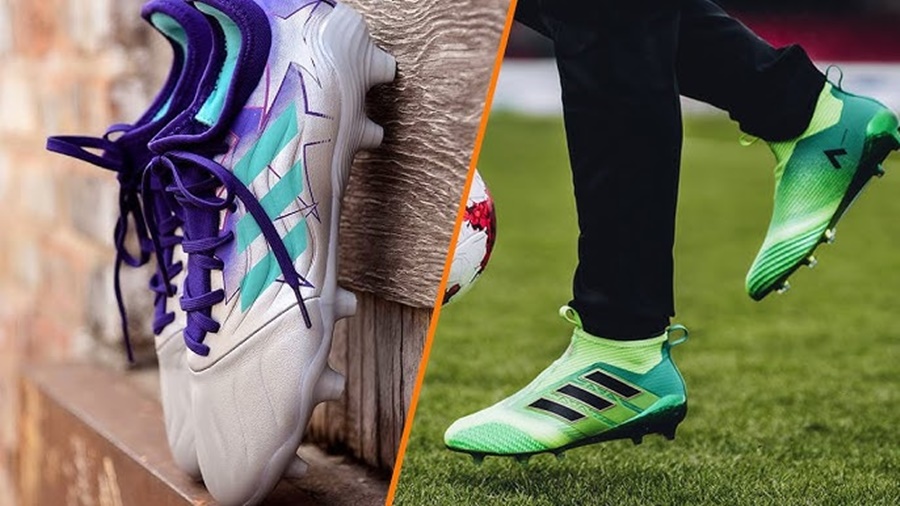
Choosing the right soccer shoes can significantly impact your performance, comfort, and safety on the field. Among the most common options available are turf soccer shoes and indoor soccer shoes. While both are designed for soccer, they are built for different playing surfaces and conditions. Wearing the wrong type of shoe can reduce traction, affect ball control, and even increase the risk of injury.
This article explores the differences between turf soccer shoes and indoor soccer shoes, helping players make the right choice for their game.
What Are Turf Soccer Shoes?
Turf soccer shoes are specifically designed for artificial turf fields. These surfaces are made of synthetic grass and often contain rubber pellets or sand infill to replicate natural grass conditions.
Turf shoes feature numerous small rubber studs or nubs spread across the outsole. These studs provide enhanced grip and stability on artificial surfaces while distributing pressure evenly across the foot.
Key Features of Turf Soccer Shoes
- Multiple small rubber studs
- Durable outsole for abrasive turf surfaces
- Enhanced traction on artificial grass
- Increased cushioning for comfort
- Better shock absorption during play
Advantages of Turf Soccer Shoes
Superior Grip on Artificial Turf
The rubber studs create excellent traction on synthetic grass fields, allowing players to accelerate, stop, and change direction confidently.
Improved Comfort
Most turf shoes include extra cushioning in the midsole to absorb impact from harder artificial surfaces.
Reduced Injury Risk
The evenly distributed studs help prevent slipping and reduce excessive pressure on specific parts of the foot.
Versatility
Turf shoes can often be used on hard outdoor surfaces, training grounds, and recreational soccer fields.
Potential Drawbacks
- Less effective on smooth indoor courts
- Heavier than indoor soccer shoes
- Reduced ball feel compared to indoor models
What Are Indoor Soccer Shoes?
Indoor soccer shoes are designed for indoor courts made of wood, concrete, vinyl, or other smooth surfaces. These shoes feature a completely flat rubber outsole without studs.
The non-marking rubber sole provides grip while allowing players to move freely on indoor playing surfaces.
Key Features of Indoor Soccer Shoes
- Flat rubber outsole
- Lightweight construction
- Enhanced ball touch and control
- Low-profile design
- Non-marking soles suitable for gym floors
Advantages of Indoor Soccer Shoes
Excellent Ball Control
The thin sole and low-profile design allow players to feel closer to the ball, improving touch and precision.
Lightweight Performance
Indoor shoes are generally lighter than turf shoes, helping players move quickly and react faster during fast-paced games.
Better Agility
The flat sole promotes smooth movement, making quick turns and directional changes easier.
Ideal for Indoor Courts
Indoor shoes provide optimal traction without damaging gymnasium or sports hall floors.
Potential Drawbacks
- Poor grip on artificial turf
- Limited cushioning compared to turf shoes
- Less suitable for outdoor use
Turf Soccer Shoes vs Indoor Soccer Shoes: Major Differences
1. Outsole Design
The most noticeable difference lies in the outsole.
Turf Shoes
- Multiple small rubber studs
- Designed for artificial grass
- Enhanced outdoor traction
Indoor Shoes
- Flat rubber sole
- Designed for smooth indoor courts
- Maximum surface contact
2. Traction
Turf shoes offer superior grip on synthetic grass because the studs penetrate slightly into the turf surface.
Indoor shoes rely on friction from the flat rubber sole to maintain traction on hard courts.
3. Comfort and Cushioning
Artificial turf can be harder on the body than indoor surfaces. As a result, turf shoes often include additional cushioning and shock absorption features.
Indoor shoes prioritize responsiveness and ball feel over cushioning.
4. Ball Feel and Control
Indoor soccer shoes generally provide better touch and control because players are closer to the ground and the shoe upper is often thinner.
Turf shoes sacrifice a small amount of ball feel in exchange for increased comfort and protection.
5. Durability
Turf shoes are built to withstand rough artificial grass surfaces, making them highly durable.
Indoor shoes are designed for smoother environments and may wear out faster if used outdoors.
6. Weight
Indoor soccer shoes are usually lighter than turf shoes due to their simpler outsole design and reduced cushioning.
Which Shoe Should You Choose?
Choose Turf Soccer Shoes If:
- You primarily play on artificial turf fields.
- You train outdoors on synthetic grass.
- You need extra cushioning and support.
- You want better traction on turf surfaces.
Choose Indoor Soccer Shoes If:
- You play futsal or indoor soccer.
- Your matches take place on gym floors or indoor courts.
- You value quick movement and ball control.
- You prefer lightweight footwear.
Can Turf Shoes Be Used Indoors?
While turf shoes can technically be worn indoors, they are not ideal. The rubber studs may create too much friction, limiting movement and agility on smooth courts.
For occasional indoor use, turf shoes may work, but dedicated indoor soccer shoes will provide better performance.
Can Indoor Shoes Be Used on Turf?
Using indoor soccer shoes on artificial turf is not recommended. The flat outsole lacks the traction needed for synthetic grass surfaces, increasing the risk of slipping and reducing overall performance.
Professional Player Preferences
Professional players typically select footwear based entirely on the playing surface. During indoor competitions or futsal matches, athletes wear indoor soccer shoes. For artificial turf training sessions and matches, turf soccer shoes are the preferred choice.
The best players understand that matching the shoe to the surface improves performance and minimizes injury risk.
Conclusion
The debate between turf soccer shoes and indoor soccer shoes is not about which option is better overall—it is about choosing the right shoe for the right surface. Turf soccer shoes excel on artificial grass by providing superior grip, cushioning, and durability. Indoor soccer shoes shine on hard indoor courts where agility, ball control, and lightweight performance are essential.
Before purchasing your next pair of soccer shoes, consider where you play most often. Selecting footwear designed specifically for your playing environment will enhance your comfort, boost your performance, and help you get the most out of every match.


Leave a Reply