
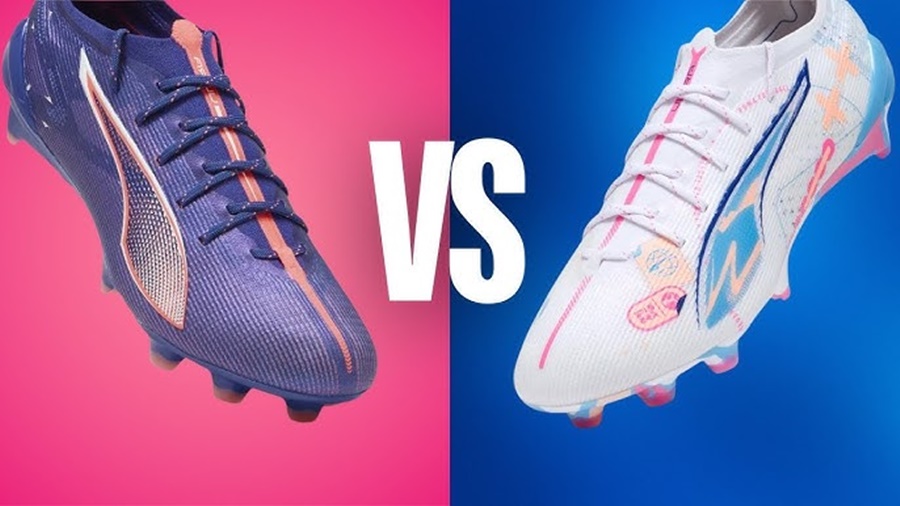
Choosing the right football cleats can significantly impact your performance on the pitch. Among the many options available, two of the most popular categories are speed cleats and control cleats. While both are designed to enhance a player’s game, they serve different purposes and cater to different playing styles. Understanding the differences between these two types of football boots can help players make an informed decision and maximize their potential on the field.
What Are Speed Cleats?
Speed cleats are specifically designed for players who rely on acceleration, agility, and explosive movement. These boots are typically lightweight and streamlined, allowing players to move quickly without carrying extra weight on their feet.
Manufacturers focus on reducing the overall weight of the boot by using thin synthetic materials and minimalist designs. The goal is to help players reach top speed faster and maintain quick directional changes during the game.
Key Features of Speed Cleats
- Lightweight construction
- Thin upper materials for reduced weight
- Aerodynamic design
- Aggressive stud patterns for traction during sprints
- Snug fit for improved responsiveness
Best Suited For
Speed cleats are ideal for:
- Wingers
- Strikers
- Attacking midfielders
- Players who depend on pace and quick movement
These players often need to outrun defenders, make rapid cuts, and accelerate quickly in open spaces.
What Are Control Cleats?
Control cleats are designed to enhance touch, ball control, passing accuracy, and overall comfort. Unlike speed cleats, these boots often feature textured uppers and additional padding that help players manage the ball more effectively.
The emphasis is on precision rather than pure speed. Control cleats allow players to maintain better possession, execute accurate passes, and improve first-touch control under pressure.
Key Features of Control Cleats
- Textured upper surfaces
- Enhanced ball grip
- Additional cushioning and comfort
- Wider fit options
- Improved touch and passing control
Best Suited For
Control cleats are ideal for:
- Central midfielders
- Playmakers
- Defensive midfielders
- Defenders who focus on distribution
Players who spend significant time on the ball often benefit from the extra control and comfort these boots provide.
Major Differences Between Speed and Control Cleats
1. Weight
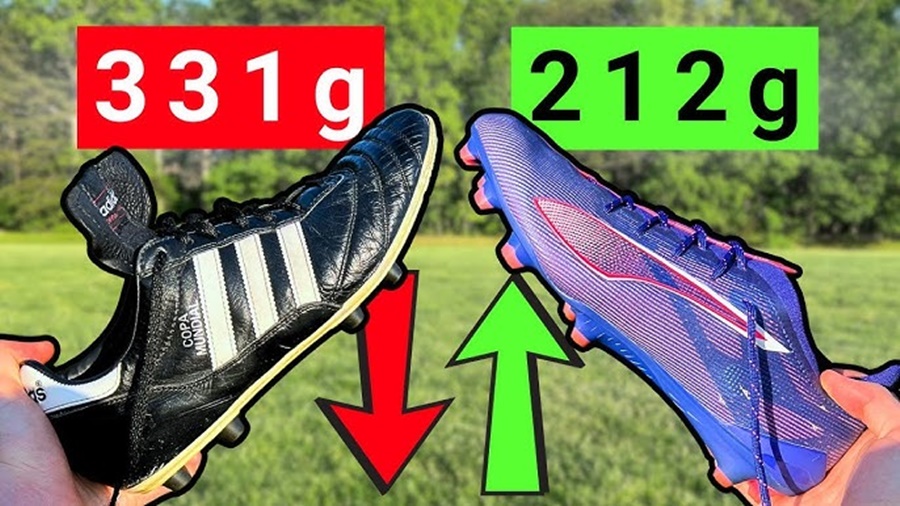
Speed cleats are significantly lighter than control cleats. Every gram is minimized to improve acceleration and sprinting performance.
Control cleats may be slightly heavier because of added padding, grip elements, and comfort features.
2. Ball Touch
Control cleats excel in providing a better feel for the ball. Their textured surfaces help players maintain possession and improve passing accuracy.
Speed cleats prioritize lightweight performance, which may result in less cushioning and touch enhancement.
3. Comfort
Control cleats generally offer more comfort due to thicker materials and additional padding.
Speed cleats often provide a tighter, race-car-like fit designed for responsiveness rather than maximum comfort.
4. Playing Style
Speed cleats support explosive players who depend on pace.
Control cleats support technical players who focus on possession, passing, and game management.
5. Durability
Because speed cleats use thinner materials, they may wear out faster under heavy use.
Control cleats often feature more robust construction, making them slightly more durable over time.
Advantages of Speed Cleats
Faster Acceleration
The lightweight design helps players reach top speed quickly.
Improved Agility
Quick cuts, turns, and directional changes become easier.
Better Responsiveness
A snug fit creates a close connection between the foot and the boot.
Ideal for Counterattacking Football
Players who thrive in fast-paced attacking systems can benefit greatly from speed-focused footwear.
Advantages of Control Cleats
Enhanced Ball Control
Textured uppers help improve touch and dribbling precision.
Superior Comfort
Additional cushioning reduces foot fatigue during long matches.
Better Passing Accuracy
Many control cleats are engineered to provide a larger and more stable striking surface.
Increased Confidence on the Ball
Players often feel more secure when receiving, controlling, and distributing possession.
Which Cleat Type Should You Choose?
The best choice depends on your position, strengths, and playing style.
Choose speed cleats if:
- You rely on pace and acceleration.
- You frequently make attacking runs.
- You play as a winger or striker.
- You prefer lightweight footwear.
Choose control cleats if:
- You value ball possession.
- You play in midfield or defense.
- You focus on passing and game control.
- Comfort is a top priority.
Can You Use Both?
Many professional players switch between different types of cleats depending on match conditions, tactical requirements, or personal preference. Some modern football boots even combine elements of both speed and control, offering a balanced experience.
Players who want versatility may benefit from hybrid models that provide lightweight performance while maintaining excellent touch and comfort.
Conclusion
The debate between speed cleats and control cleats ultimately comes down to how you play the game. Speed cleats are built for players who want maximum acceleration, agility, and explosive movement. Control cleats, on the other hand, focus on touch, precision, comfort, and ball mastery.
Neither option is universally better. The right cleat is the one that complements your strengths and helps you perform at your highest level. By understanding the unique advantages of each type, players can choose footwear that enhances their game and gives them confidence every time they step onto the pitch.

Leave a Reply