
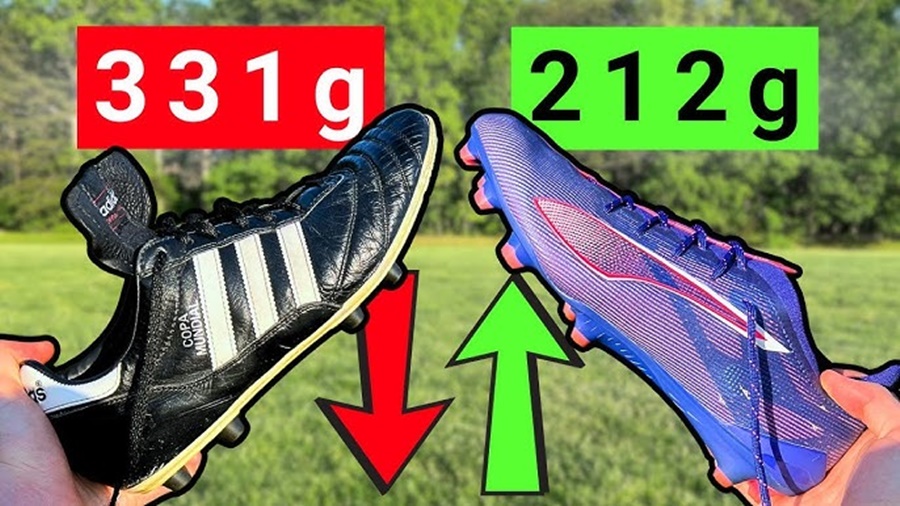
Soccer cleats are one of the most important pieces of equipment for any player. The right pair can improve speed, comfort, stability, and overall performance on the field. Among the many options available today, two categories stand out: lightweight soccer cleats and cushioned soccer cleats. While both are designed to enhance performance, they serve different purposes and suit different playing styles.
Understanding the differences between lightweight and cushioned soccer cleats can help players make a better purchasing decision and maximize their potential on the pitch.
What Are Lightweight Soccer Cleats?
Lightweight soccer cleats are designed with speed and agility in mind. Manufacturers use thin synthetic materials and streamlined designs to reduce overall weight, allowing players to move faster and change direction more easily.
These cleats often feature:
- Minimalist construction
- Thin upper materials
- Reduced padding
- Lightweight outsoles
- Close-to-ball feel
The primary goal of lightweight cleats is to provide players with a responsive and natural touch while minimizing any extra weight that could slow them down.
Advantages of Lightweight Soccer Cleats
Enhanced Speed
The biggest benefit of lightweight cleats is improved speed. A lighter shoe requires less energy to move, allowing players to accelerate quickly and maintain high-speed runs throughout the match.
Better Agility
Players who rely on quick turns, dribbling skills, and rapid direction changes often prefer lightweight cleats. The reduced bulk allows for more natural foot movement and responsiveness.
Improved Ball Control
Because lightweight cleats usually have thinner uppers, players experience a closer connection to the ball. This can improve dribbling precision, passing accuracy, and shooting control.
Reduced Fatigue During Sprinting
For players who frequently sprint, lighter footwear can help reduce the effort required to move, especially during intense attacking plays.
Disadvantages of Lightweight Soccer Cleats
Less Protection
The thin materials that make these cleats light often provide less protection against tackles, collisions, and impacts.
Reduced Comfort
Some lightweight models sacrifice cushioning and support to minimize weight. This may lead to discomfort during long matches or training sessions.
Limited Shock Absorption
Players who regularly play on hard surfaces may notice more pressure on their feet due to the lack of cushioning.
What Are Cushioned Soccer Cleats?
Cushioned soccer cleats prioritize comfort, support, and impact protection. They include additional padding around the heel, insole, and upper to absorb shock and reduce foot fatigue.
These cleats typically feature:
- Extra foam cushioning
- Padded collars and tongues
- Supportive midsoles
- Enhanced shock absorption
- Greater comfort for extended wear
Rather than focusing solely on speed, cushioned cleats aim to provide long-lasting comfort throughout the game.
Advantages of Cushioned Soccer Cleats
Superior Comfort
One of the biggest reasons players choose cushioned cleats is comfort. The extra padding helps reduce pressure points and makes the cleats feel more comfortable during long matches.
Better Shock Absorption
Cushioned cleats absorb impact from running, jumping, and sudden stops. This can reduce strain on the feet, ankles, and knees.
Increased Protection
The additional padding offers better protection against tackles and accidental contact from opponents.
Ideal for Long Playing Sessions
Players who train frequently or participate in multiple matches each week often appreciate the reduced foot fatigue provided by cushioned cleats.
Disadvantages of Cushioned Soccer Cleats
Heavier Weight
The added padding and support materials increase the overall weight of the cleat. While modern designs are lighter than ever, cushioned models are generally heavier than speed-focused alternatives.
Slightly Reduced Ball Feel
Extra padding can create a barrier between the foot and the ball, reducing the direct touch that many technical players prefer.
Less Explosive Performance
Some players may feel slightly slower during acceleration and quick movements due to the additional weight.
Lightweight vs Cushioned Soccer Cleats: Key Differences
| Feature | Lightweight Cleats | Cushioned Cleats |
|---|---|---|
| Weight | Extremely light | Moderately heavier |
| Speed | Excellent | Good |
| Comfort | Moderate | Excellent |
| Ball Control | Excellent | Very Good |
| Protection | Limited | Better |
| Shock Absorption | Minimal | High |
| Agility | Excellent | Good |
| Durability | Varies | Often higher |
Which Players Should Choose Lightweight Soccer Cleats?
Lightweight soccer cleats are ideal for:
- Wingers
- Strikers
- Attacking midfielders
- Fast dribblers
- Players who prioritize speed
These athletes often depend on acceleration, agility, and quick movements to create scoring opportunities. The reduced weight helps maximize explosive performance.
Which Players Should Choose Cushioned Soccer Cleats?
Cushioned soccer cleats are best suited for:
- Central midfielders
- Defenders
- Players with foot sensitivity
- Athletes who play multiple games weekly
- Players recovering from minor foot discomfort
These positions often involve extensive running, physical challenges, and long periods on the field, making comfort and protection especially valuable.
Factors to Consider Before Buying
Playing Surface
Different surfaces place varying levels of stress on the feet. Players who regularly compete on firm, hard ground may benefit from additional cushioning.
Playing Style
Fast and aggressive attackers often prefer lightweight cleats, while players focused on endurance and physical play may prioritize comfort.
Injury History
Athletes who have experienced foot, ankle, or knee issues may benefit from the shock absorption offered by cushioned cleats.
Match Frequency
Frequent training sessions and multiple weekly matches can increase foot fatigue. Cushioned cleats may help reduce discomfort over time.
Personal Preference
Ultimately, comfort and confidence are crucial. Some players enjoy the barefoot-like sensation of lightweight cleats, while others prefer the support of a cushioned design.
Can You Get the Best of Both Worlds?
Modern soccer cleat manufacturers have worked to bridge the gap between lightweight and cushioned models. Many newer cleats combine lightweight materials with strategic cushioning in key areas, offering a balance between speed and comfort.
These hybrid designs appeal to players who want responsive performance without sacrificing foot support.
Conclusion
The choice between lightweight and cushioned soccer cleats depends largely on your playing style, position, and personal preferences. Lightweight cleats excel in speed, agility, and ball control, making them ideal for attacking players and quick movers. Cushioned cleats provide greater comfort, protection, and shock absorption, making them a strong option for players who value support and durability.
There is no universal “best” choice. The ideal soccer cleat is the one that helps you perform confidently while keeping your feet comfortable throughout every training session and match. By understanding the strengths and limitations of both options, you can select the cleat that best complements your game and supports your performance on the field.
Leave a Reply