
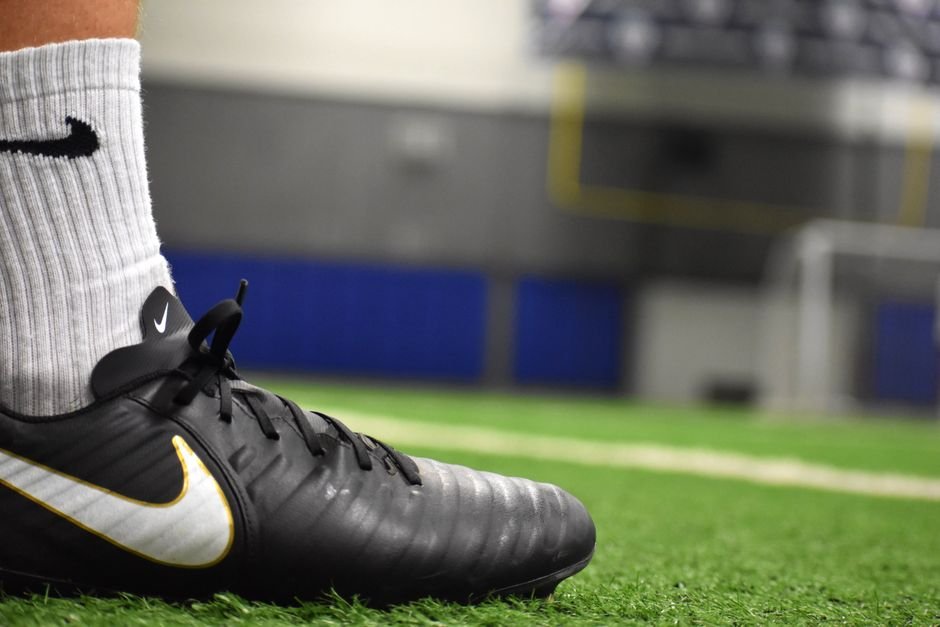
Soccer cleats not fitting properly can cause blisters and discomfort, significantly reducing your on-field performance. Many players mistakenly think a tight fit enhances control, but excessive snugness can hinder movement and lead to foot injuries. Proper understanding of fit issues is crucial for finding the right solution and maximizing your game.
Proper fit directly influences your game. Cleats that are too tight restrict toe movement, while overly loose cleats create instability. Shoes that pinch or slide can significantly impact not just comfort but the risk of injury. Here are common mistakes to avoid and actionable solutions to improve your fit.
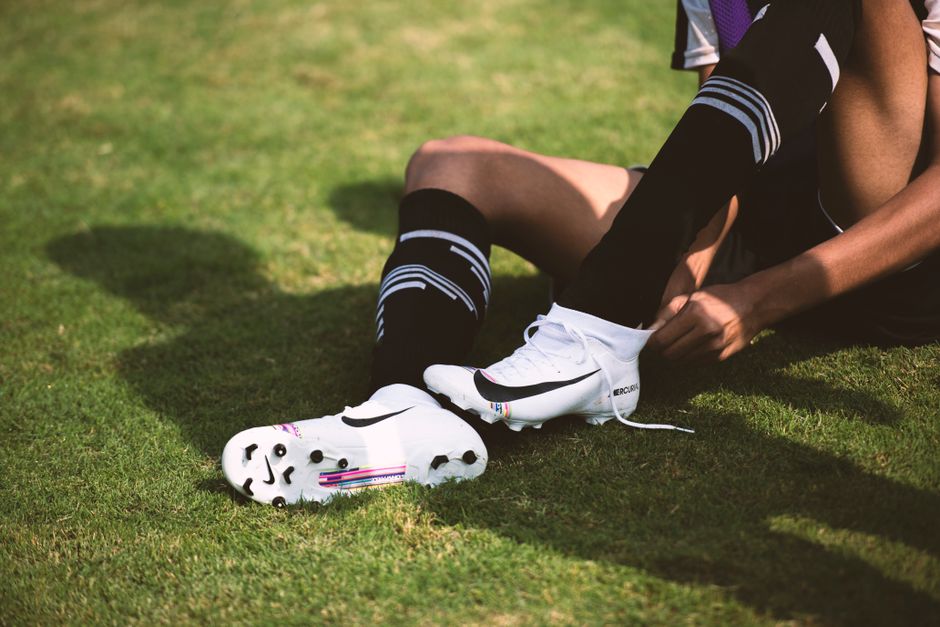
Common Fit Issues with Soccer Cleats
A frequent mistake is thinking your shoe size remains constant. Feet may swell during play or change with age. Many players notice their cleats feel uncomfortably tight after a match, which hampers performance. If your shoes leave marks on your feet or cause pain in less than 30 minutes, they’re likely too tight.
Conversely, if your feet slide around inside your cleats, they’re probably too big. This lack of stability can lead to injuries during quick movements. Blisters are another common issue resulting from poor fit. Considering that 70% of players report experiencing blisters, this discomfort can significantly undermine a player’s experience on the field.
Adjusting Tight Soccer Cleats
If your cleats pinch, start by loosening the laces. This adjustment alone can relieve pressure. If that doesn’t help, a shoe stretcher may be your next step, alleviating tight areas without purchasing a new pair. Furthermore, wearing thick, breathable socks may enhance comfort while gradually stretching the material.
Breaking in new cleats usually takes several practices. For those keen to wear new shoes without discomfort, read my guide on how to break in new soccer cleats without pain; it provides a step-by-step approach to achieving a comfortable fit.

Finding the Right Size
To prevent fit issues, proper sizing is essential. Measure your feet regularly, ideally in the afternoon when they naturally swell. A half-size difference can significantly enhance your comfort. When trying on cleats, aim for a thumb’s width of space beyond your longest toe and walk around the store to assess fit; movement can reveal discomfort that standing still may not show.
If purchasing online, take advantage of brand-specific size guides, these tools can be invaluable in ensuring a correct fit. It’s worth taking the extra moment to verify sizing rather than endure discomfort later.
Prioritize Comfort and Fit for Better Performance
A proper fit is vital for comfort and performance in soccer. Avoid tight cleats that lead to blisters or shoes that fail to provide stability when it matters most. Remain attentive to how your cleats fit and don’t hesitate to make adjustments. By prioritizing comfort and fit, your cleats will enhance your performance on the field rather than detract from it. For more on addressing the issue of soccer cleats not fitting properlyconsider exploring different techniques to break them in effectively.
Frequently Asked Questions
Why do my soccer cleats feel too tight?
Soccer cleats may feel too tight due to several factors, including the design of the shoe, your foot shape, or the use of materials that don’t stretch. Additionally, they can feel tighter if you have not broken them in properly, as most new cleats need some time to conform to your foot.
How can I stretch my soccer cleats?
You can stretch your soccer cleats by using a shoe stretcher or wearing them with thick socks around the house to help them loosen up. Heat can also help; lightly using a hairdryer on the areas that feel tight while wearing the cleats can provide some extra stretch.
Are my soccer cleats too big or small?
To determine if your soccer cleats are too big or too small, check for space around your toes and how snugly they hold your heel in place. Ideally, there should be about a thumbnail’s length of space between your longest toe and the front of the cleat; if your toes touch the front or there is excessive movement, they may be the wrong size.
Can I wear thick socks with my soccer shoes?
Wearing thick socks can provide extra cushioning and warmth but may also affect the fit of your cleats. Ensure that if you choose to wear thick socks, your cleats are already a comfortable fit to accommodate the added bulk, avoiding any tightness or discomfort while playing.
How should soccer cleats fit properly?
Soccer cleats should fit snugly without being painfully tight, providing a secure hold around the heel and midfoot while allowing your toes to have some movement without hitting the front of the cleat. You should be able to wiggle your toes slightly, and there should be minimal slipping or movement of the foot inside the shoe during activity.
Leave a Reply