
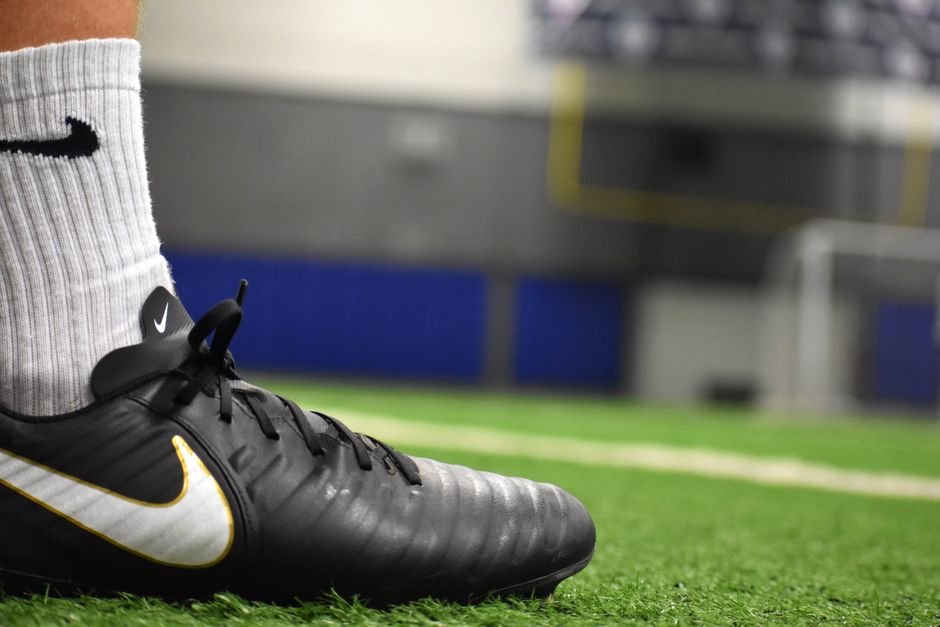
To store soccer cleats effectively, place them in a breathable shoe bag or box after cleaning to prevent moisture buildup, which can cause odors and deformities. Proper storage is crucial for preserving their shape and extending their lifespan, enabling you to stay at the top of your game on the field.
Whether you’re an avid player or just starting out, I’ve honed in on the best practices to ensure your cleats remain in top condition.
Let’s delve into the specific methods to store soccer cleats correctly. You’ll discover how to keep odors at bay, deal with wet footwear, and ultimately protect your investment from unwanted wear and tear.

Why Proper Storage Matters for Soccer Cleats
Ignoring the way you store your soccer cleats can lead to significant issues. Bad odors are the most common complaint I hear from fellow players. If cleats are kept in a damp, closed space, bacteria thrive, leading to that all-too-familiar smell. Additionally, improper storage can cause your cleats to lose their shape.
When cleats don’t maintain their form, it can lead to discomfort and even injury on the field.
Remember, your cleats endure a lot on the pitch; they deserve a proper resting place. Effective storage can save you money by extending the life of your shoes, meaning fewer replacements over time. Taking just a few minutes to care for your cleats makes a significant difference.
Steps to Clean and Prepare Your Cleats
The first step in proper storage is ensuring your cleats are clean. After every game, I make it a routine to wipe down the outsides with a damp cloth. For muddy cleats, I make sure to remove any excess dirt with a soft brush. This prevents buildup that can degrade the material over time.
Next, let them dry, but not in direct sunlight as that can warp the material. Instead, I stuff them with newspaper or a towel to help absorb moisture. Newspaper is particularly effective because it draws out dampness without damaging the shoe’s structure.
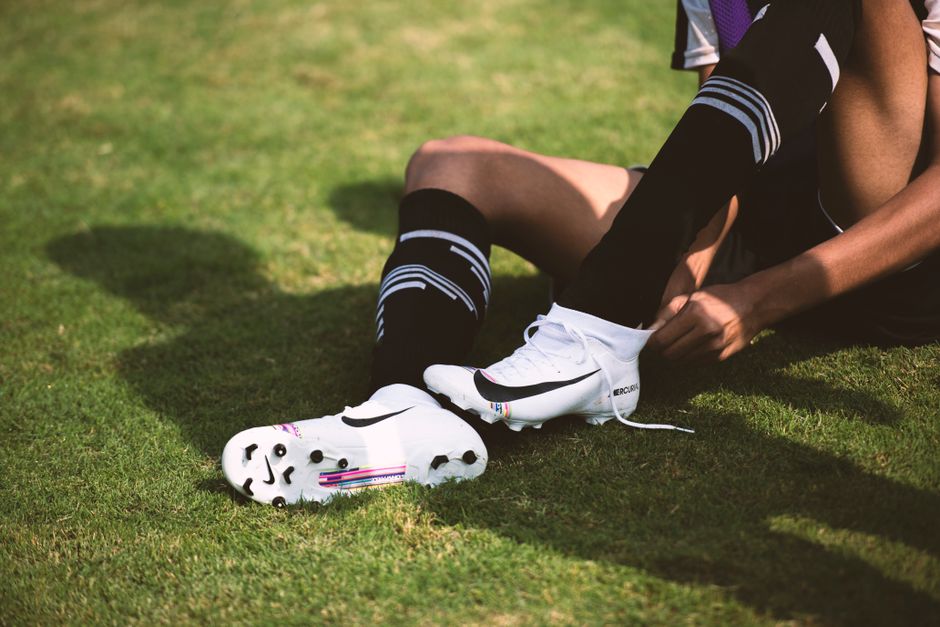
Best Practices for Storing Soccer Cleats
Now that your cleats are clean and dry, it’s time to store them properly. I highly recommend using a dedicated shoe bag for your cleats. They come in various sizes and materials, allowing for ample ventilation, which is key to preventing odor buildup.
Keeping them in a breathable space is ideal; I opt for a cool, dry area away from direct sunlight, which can degrade the materials.
If you’re keeping multiple pairs, locker organizers or shoe racks can optimize your space and keep your cleats visible and easily accessible. Just be sure they aren’t crammed together, as that can lead to deformities over time.
Dealing with Shoe Odor Prevention
As mentioned, odors can be a nightmare. Along with cleaning, regular odor prevention techniques are beneficial. I occasionally sprinkle baking soda inside my cleats after use, which is an excellent natural deodorizer. You can let it sit overnight, then just shake it out the next day. It’s simple and effective.
Some players also use activated charcoal bags, which can absorb excess moisture and odors. I find that investing in a quality pair of insoles can work wonders as well. Look for breathable, antibacterial insoles to keep your feet fresh and reduce smells.
Tips for Handling Wet Cleats
If you’ve played in the rain or found yourself with splashed cleats, drying them correctly is crucial. I avoid putting my shoes in the dryer or using heating elements, as it can warp them. Instead, I always air dry them at room temperature. This not only preserves the integrity of the materials but also keeps them looking good.
Stuffing them again with newspaper helps speed up the drying process, absorbing moisture from the inside out. This technique should become second nature, wet shoes left unattended can develop mold, leading to long-lasting damage.
Long-Term Storage Tips When Cleats Aren’t in Use
During off-seasons or when you’re not actively playing, consider taking preventative measures to protect your cleats. I clean them thoroughly, ensure they are completely dried, and store them in their original box or a dedicated container along with silica gel packets, which help absorb any lingering moisture.
It’s also wise to avoid stacking heavy items on them, which can lead to misshaping. Give your cleats their own dedicated space, they deserve it!
Final Verdict on Soccer Cleat Storage
To summarize, proper storage of soccer cleats is non-negotiable. It effectively prevents odor, extends their lifespan, and maintains their shape for the next game. By consistently cleaning and storing them correctly, you’ll streamline your game and keep your gear in top form.
So, whether you’re investing in new cleats or maintaining your current pair, keep these tips in mind. Embrace a routine of care, and enjoy the benefits of fresh, long-lasting soccer cleats. For instance, you might want to explore how technology plays a role in how to store soccer cleats.
Frequently Asked Questions
How do you keep soccer cleats from smelling?
To keep soccer cleats from smelling, regularly air them out by removing the insoles and letting them dry in a well-ventilated area. You can also sprinkle baking soda inside the cleats to absorb odors, or use odor-fighting sprays designed for footwear.
What is the best way to dry soccer cleats?
The best way to dry soccer cleats is to let them air dry naturally at room temperature, away from direct sunlight and heat sources that could warp the material. You can stuff them with newspaper or use a boot dryer to help absorb moisture more effectively.
Can you put soccer cleats in the washing machine?
It's generally not recommended to put soccer cleats in the washing machine as the agitation can damage their materials and structure. Instead, clean them manually using a damp cloth and mild soap, and remove mud and dirt with a soft brush.
How long do soccer cleats typically last?
Soccer cleats typically last around 6 months to a year with regular use, depending on the frequency of play and playing conditions. Factors such as quality of the cleat, type of surface played on, and player position can also influence their lifespan.
Why is it important to properly store soccer cleats?
Properly storing soccer cleats is important to maintain their shape and integrity, preventing damage such as warping or cracking. Additionally, good storage prevents moisture buildup, which can lead to odors and mold growth.
Leave a Reply