
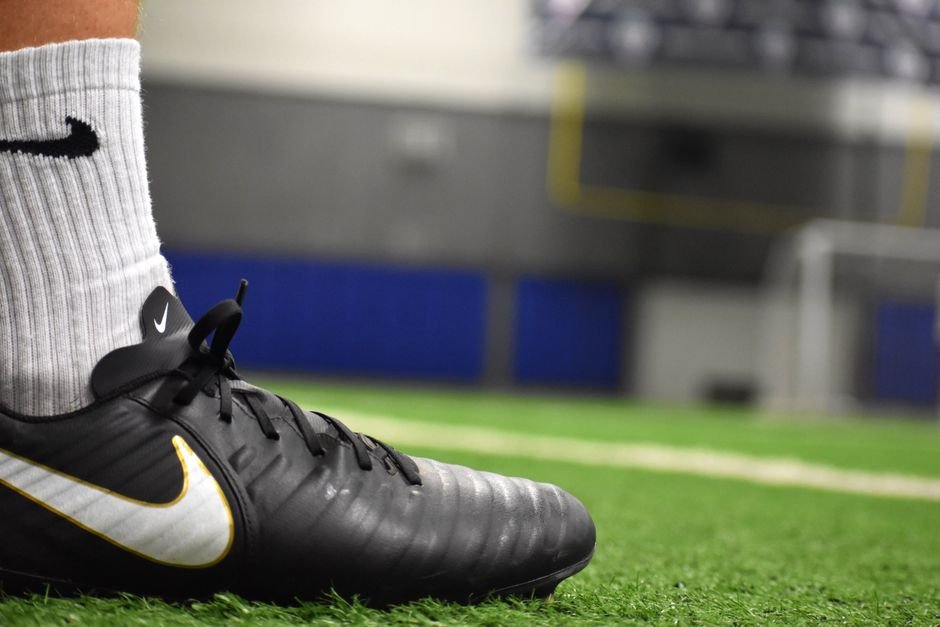
Troubleshooting soccer shoes slipping on grass involves choosing the right type of studs; for most conditions, multi-ground cleats with 13-15 studs provide maximum traction and stability. By ensuring proper fit and maintaining the right cleat length, you can significantly reduce the risk of losing your footing during critical moments in the game.
Two major culprits are traction from your cleats and the playing conditions. Many players overlook the importance of stud length and pattern. Ensuring you have the right footwear is crucial, as proper traction contributes significantly to your performance. If your studs are worn down to less than 0.25 inches, then it’s time to consider a new pair.

Identifying Why Your Soccer Shoes Slip
Understanding the reasons behind your soccer shoes slipping is necessary for effective troubleshooting. One common issue is poor traction caused by worn-out cleats. Inadequate stud patterns can significantly hinder grip, particularly on wet grass. A stud pattern should be evaluated regularly; if the studs are shorter than mentioned, they will no longer provide sufficient grip.
Additionally, the condition of the field impacts your performance. Wet grass can amplify slipping issues, and certain cleat patterns excel on dry turf but fail on slippery surfaces. It’s essential to ensure your cleats are designed for the conditions you frequently encounter, as this consideration can markedly affect your stability and game performance.
Selecting the Right Cleat Traction for Your Needs
To improve your grip, start by analyzing your cleat’s stud pattern. Options range from conical to bladed to mixed configurations. Bladed studs enhance agility for quick direction changes, whereas conical studs excel in softer conditions. Switching to a stud configuration suited for your environment can greatly enhance stability.
Players should experiment with their footwear until they discover the optimal combination for their style and conditions.
- For dry grass, opt for conical studs for better penetration.
- In wet conditions, longer blades or mixed studs provide extra grip.
- On artificial turf, choose molded cleats with shorter, spread-out studs.
Finding the right stud pattern tailored to your playing conditions is key to maintaining grip, so don’t hesitate to test various options to see what works best for you.

Effective Techniques to Enhance Shoe Grip
Improving your soccer shoe grip involves simple yet effective techniques. Regularly cleaning your cleats can impact performance greatly; accumulated grass, mud, or dirt weakens traction. After matches, take a moment to scrub your shoes to maintain their effectiveness.
Using moisture-wicking socks can also help combat slipping. Keeping your feet dry reduces the chances of slipping within the shoes. Additionally, ensure your cleats fit snugly; adjusting laces before games prevents excessive movement of your foot inside the shoe, which enhances stability.
If you often play in muddy conditions, consider investing in heavy-duty cleats that are specifically designed to handle wet fields. Having multiple pairs of cleats suitable for different conditions will provide you with an advantage and avoid constant instability during games.
Commit to the Right Footwear
There’s no one-size-fits-all solution for preventing soccer shoes from slipping on grass. Focus on understanding the elements affecting your grip and make informed choices. Prioritize selecting the right cleat design for the conditions you frequently encounter and ensure regular maintenance of your footwear.
When facing wet grass, invest in cleats designed for such conditions to circumvent ongoing stability concerns. Assessments and adjustments will lead to improved performance on the field.
Frequently Asked Questions
How can I stop my soccer shoes from slipping?
To stop your soccer shoes from slipping, ensure you choose the correct type of cleats for grass surfaces and keep your shoes clean and dry. Additionally, consider using traction-enhancing products or adjusting your lacing technique to secure your foot better in the shoe.
What causes soccer shoes to slip on grass?
Soccer shoes may slip on grass due to worn-out or inappropriate cleat patterns, wet or muddy conditions, and insufficient grip provided by the sole material. Additionally, dirt or mud buildup on the sole can reduce traction.
Can traction mats be used for soccer shoes?
Yes, traction mats can be used for soccer shoes as they help improve grip and traction by providing a textured surface for the cleats. They are particularly useful for training sessions on grass.
Why are my soccer cleats losing grip?
Your soccer cleats may be losing grip due to the wear of the cleats themselves, which naturally happens over time, or from dirt and grass buildup on the sole. Wet conditions can also temporarily reduce traction.
How to increase grip on soccer shoes?
To increase grip on soccer shoes, clean the soles regularly to remove dirt and debris, and consider applying grip-enhancing sprays or products specifically designed for sports footwear. You might also try different stud configurations or replace worn-out cleats with new ones designed for optimal traction.
Leave a Reply