
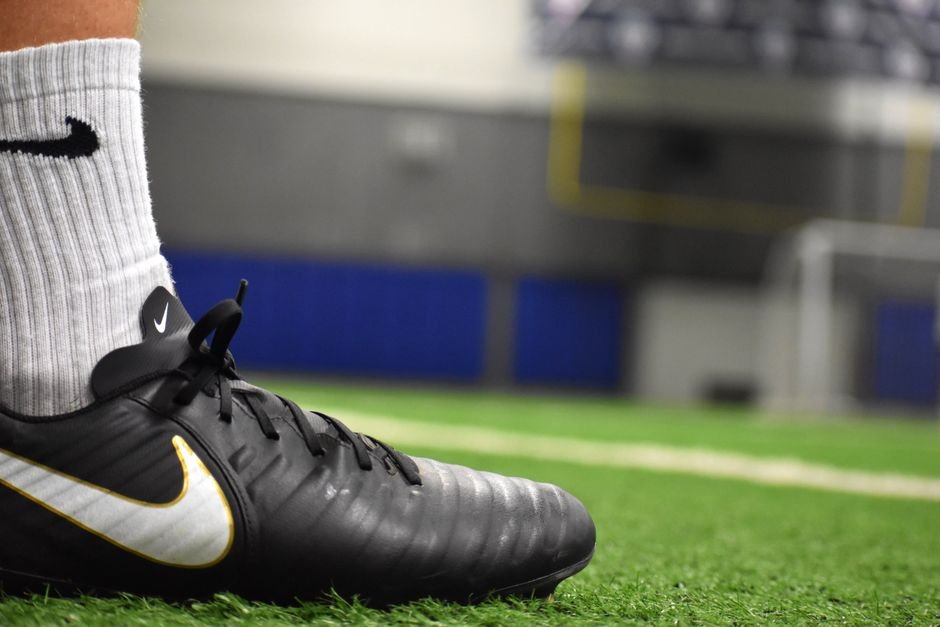
Choosing the right material for soccer cleats can significantly influence your performance on the field. The two primary options, leather and synthetic, each offer unique advantages. Leather cleats, known for their durability and comfort, mold to your foot over time, providing a custom fit. In contrast, synthetic cleats are lighter and generally perform better in wet conditions, which can enhance traction and speed.
Understanding these differences is crucial for making an informed decision based on your style of play and the field conditions you encounter most often.
Many players notice the impact that cleat material has on their performance, from increasing comfort during long games to improving overall playability. Let’s delve deeper into the differences between leather and synthetic cleats to help you find the best fit.

Leather vs. Synthetic: Key Differences
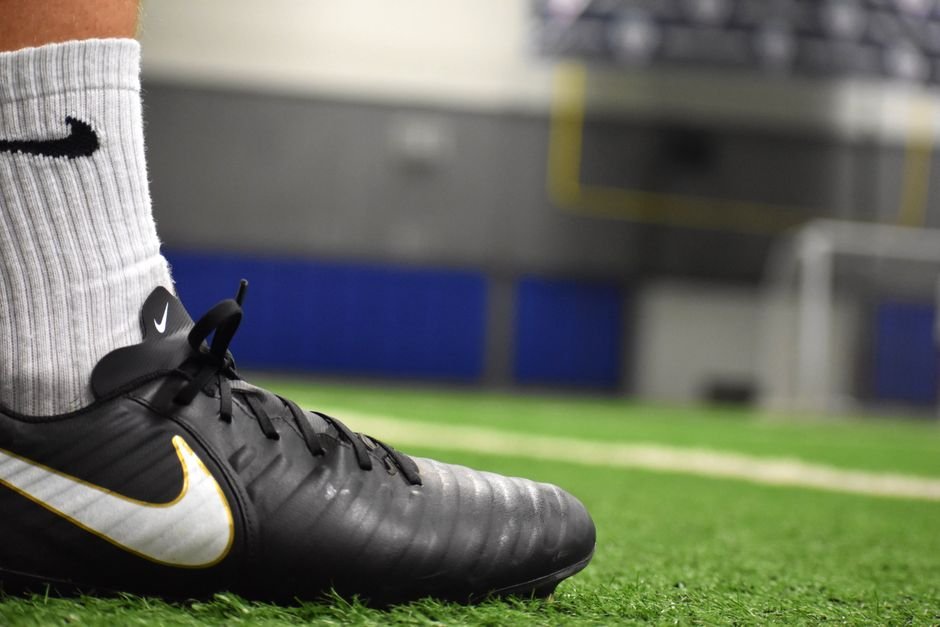
Leather cleatsmade from natural hides, provide a classic feel and exceptional longevity. A high-quality leather pair can last multiple seasons with proper care, while cheaper synthetic options may need replacement after just one season of heavy use. However, leather tends to be heavier and less breathable, which might be a drawback for players in hot environments.
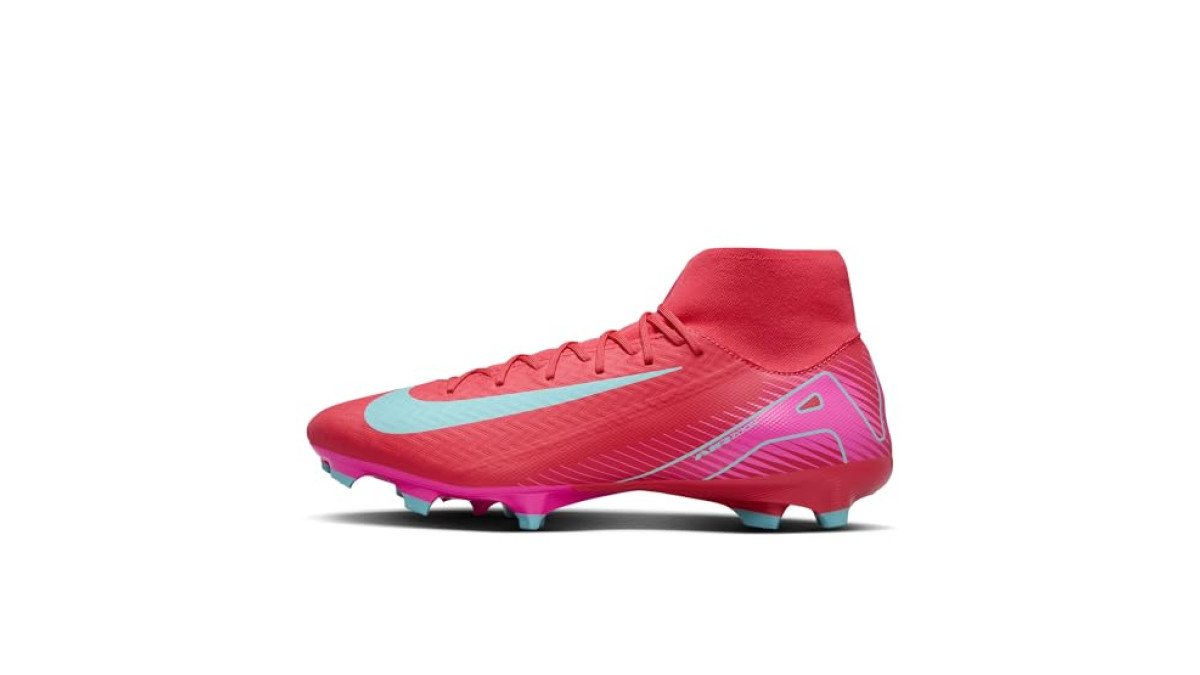
Synthetic cleats are often engineered for flexibility and lightweight performance, making them ideal for quick movements. Many synthetic models are priced affordably, but lower-quality versions can wear out prematurely, which is an important consideration for regular players. Always remember that investing in higher-quality synthetics can yield better performance and longevity.
Durability and Performance
When evaluating cleats, durability is paramount. High-end leather variants, such as kangaroo or calfskin, are designed to withstand significant wear and tear, provided they are maintained. A common mistake is neglecting to clean and condition your leather cleats; this can lead to cracks, which eliminate their durability.
Synthetic cleats, while lighter and more affordable, often show signs of deterioration more quickly, particularly when exposed to challenging weather. For instance, playing in muddy conditions can compromise the integrity of lower-quality synthetics. Prioritizing a model with strong construction can help maintain your grip and performance during critical plays.

Comfort and Fit: Why It Matters
Comfort is essential when selecting soccer cleatsespecially during extended matches. Leather cleats naturally adapt to your foot’s shape, promoting a snug fit that reduces the likelihood of injury. While the initial break-in period can be longer, the benefits in comfort and performance are often worth the wait.
On the other hand, synthetic cleats often provide immediate comfort, but this may come at a cost. Many players report that without a proper fit, synthetic options can lead to blisters during longer games. A good practice is to try on different sizes and styles to ensure the best fit before making a purchase.
Choosing the Right Material for Wet Conditions
For players who frequently engage in matches during rainy or muddy conditions, selecting the right material becomes critical. Synthetic cleats typically excel in these situations due to better water resistance and enhanced grip. Features such as textured surfaces can provide substantial traction, especially when footing is compromised.
While leather can also perform adequately, it tends to absorb moisture, which may result in stretching and prolong drying times. To prolong the lifespan of leather cleats, consider using waterproofing products that can shield them without causing damage.
The Verdict: Leather or Synthetic? A Clear Choice
For optimal comfort, fit, and longevity, leather cleats are the preferred choice. They mold beautifully to the foot, offering excellent durability over time. Players willing to invest the effort to break them in will appreciate the fusion of comfort and performance.
Conversely, if lightweight performance, immediate comfort, and responsiveness in wet conditions are your priorities, synthetic cleats may be the ideal fit for you. Just keep in mind that they require more frequent replacements. The decision ultimately rests on balancing your needs: choose high-quality leather for long-term investment or opt for synthetic options tailored to specific gameplay scenarios.
Frequently Asked Questions
What material is best for soccer cleats?
The best material for soccer cleats typically depends on personal preference and play style, but many players favor leather for its touch and comfort. Synthetic materials, on the other hand, are often lighter and more affordable, making them popular for their performance and durability. Understanding what material is best for soccer cleats can enhance your game significantly.
Are leather soccer cleats better than synthetic?
Leather soccer cleats are often perceived as better due to their classic feel, comfort, and superior ball control. However, synthetic cleats offer advantages like better waterproofing and easier maintenance, making the choice largely subjective depending on players’ needs.
Do soccer cleat materials affect performance?
Yes, the materials used in soccer cleats significantly impact performance by influencing touch, weight, and durability. For instance, lighter materials can enhance speed, while high-quality leather provides better sensitivity and control.
How does weather affect soccer cleat materials?
Weather conditions can greatly affect soccer cleat materials; for instance, leather can absorb moisture, leading to increased weight and less durability in wet conditions. Synthetic materials generally perform better in adverse weather, as they resist water and maintain their shape and grip.
Which soccer cleat materials offer the best durability?
Synthetic materials are known for their durability as they tend to resist wear and tear better than natural materials. However, high-quality leather cleats, when properly maintained, can also provide excellent durability and longevity.

Leave a Reply