
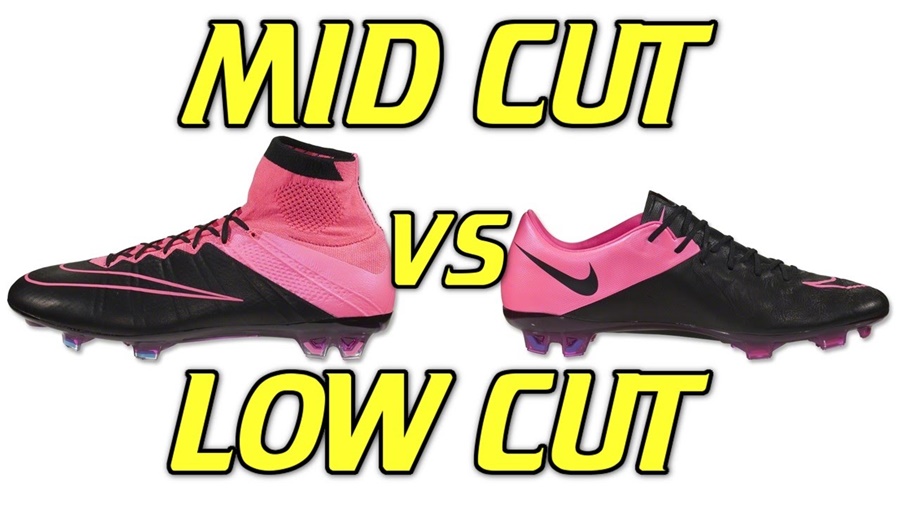
Choosing the right soccer cleats can significantly impact your performance on the field. Among the most popular options available today are mid-cut and low-cut soccer cleats. Both styles have unique advantages and disadvantages, making them suitable for different playing styles, positions, and personal preferences.
If you’re unsure whether to choose mid-cut or low-cut soccer cleats, this guide will help you understand the differences and determine which option best fits your game.
Understanding Soccer Cleat Cuts
The “cut” of a soccer cleat refers to how high the shoe extends around the ankle.
- Low-cut cleats sit below the ankle bone, allowing maximum freedom of movement.
- Mid-cut cleats extend slightly above the ankle, offering a sock-like collar that wraps around the ankle area.
While both types are designed for soccer performance, they provide different experiences in terms of mobility, comfort, support, and stability.
What Are Mid-Cut Soccer Cleats?
Mid-cut soccer cleats feature a collar that rises above the ankle. This design became increasingly popular after major brands introduced knitted ankle collars aimed at creating a more secure fit.
Advantages of Mid-Cut Soccer Cleats
1. Enhanced Stability
The higher collar creates a locked-in feeling around the ankle, helping players feel more stable during quick movements and directional changes.
2. Secure Fit
Many players appreciate the snug, sock-like sensation that reduces foot movement inside the shoe. This can improve confidence during high-speed play.
3. Improved Comfort
Modern mid-cut designs often use flexible knit materials that wrap comfortably around the ankle, creating a seamless fit.
4. Better Protection from Debris
The ankle collar can help keep small amounts of grass, rubber pellets, and dirt from entering the shoe.
Disadvantages of Mid-Cut Soccer Cleats
1. Slightly Reduced Freedom of Movement
Although modern collars are flexible, some players feel restricted compared to traditional low-cut cleats.
2. Adjustment Period
Players switching from low-cut models may need time to adapt to the higher ankle design.
3. Usually More Expensive
Premium mid-cut cleats often come with advanced technologies that can increase the price.
What Are Low-Cut Soccer Cleats?
Low-cut soccer cleats are the traditional style worn by professional and amateur players for decades. They sit below the ankle and prioritize mobility and natural movement.
Advantages of Low-Cut Soccer Cleats
1. Maximum Agility
Low-cut cleats allow unrestricted ankle movement, making them ideal for players who rely on quick turns, dribbling, and explosive acceleration.
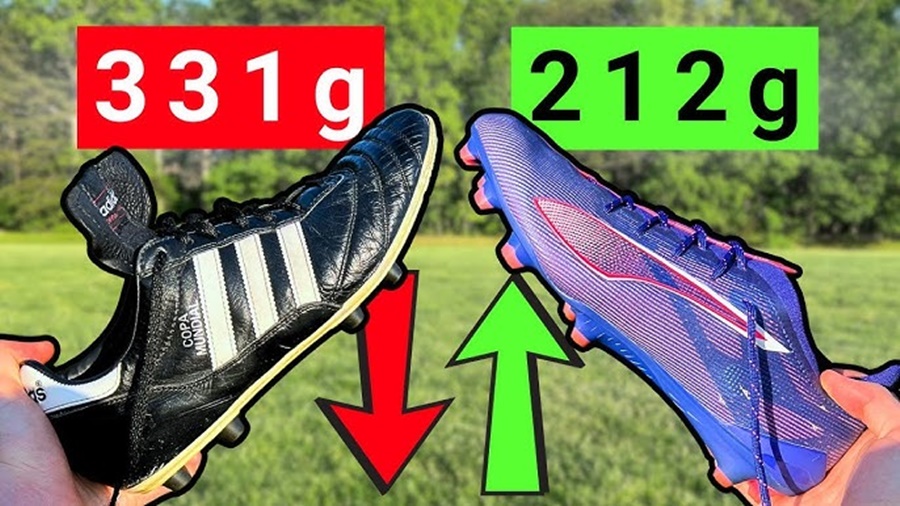
2. Lightweight Design
Many low-cut models are lighter than their mid-cut counterparts, helping players move faster and feel less burdened during matches.
3. Familiar Feel
Most soccer players grew up wearing low-cut cleats, making them a comfortable and familiar choice.
4. Greater Variety
The majority of soccer cleats on the market are low-cut, providing more options across various price ranges.
Disadvantages of Low-Cut Soccer Cleats
1. Less Locked-In Feeling
Some players may feel their foot is not as securely wrapped compared to a mid-cut design.
2. More Debris Entry
Grass and turf pellets can more easily enter the shoe during play.
3. Limited Perceived Support
While soccer cleats generally do not provide true ankle support, some players feel less stable without the added collar.
Mid-Cut vs Low-Cut Soccer Cleats: Key Comparisons
Mobility
Winner: Low-Cut Cleats
Low-cut designs offer unrestricted ankle movement, making them ideal for players who prioritize agility and speed.
Stability
Winner: Mid-Cut Cleats
The ankle collar creates a more secure sensation, helping some players feel more stable during rapid directional changes.
Comfort
Winner: Tie
Comfort largely depends on individual preference. Some players love the sock-like fit of mid-cut cleats, while others prefer the open feel of low-cut models.
Weight
Winner: Low-Cut Cleats
Low-cut cleats are often slightly lighter, which may benefit players who value speed and responsiveness.
Protection from Debris
Winner: Mid-Cut Cleats
The collar helps reduce the amount of grass and rubber pellets entering the shoe.
Which Position Benefits Most from Mid-Cut Cleats?
Mid-cut soccer cleats may be particularly appealing for:
- Defenders seeking additional stability
- Central midfielders who make constant directional changes
- Players who prefer a secure, locked-in fit
- Athletes who enjoy modern cleat designs
However, many professional players in these positions still wear low-cut cleats, showing that personal preference remains the most important factor.
Which Position Benefits Most from Low-Cut Cleats?
Low-cut soccer cleats are often favored by:
- Wingers
- Strikers
- Attacking midfielders
- Players focused on speed and agility
Their lightweight construction and unrestricted movement make them a popular choice for offensive players.
Do Mid-Cut Cleats Prevent Ankle Injuries?
One common misconception is that mid-cut cleats significantly reduce ankle injuries.
Research and sports medicine experts generally agree that modern mid-cut soccer cleats do not provide substantial ankle support comparable to ankle braces or medical supports. The collar primarily offers a sensation of security rather than true injury prevention.
Proper strength training, balance exercises, and conditioning are far more effective for reducing ankle injury risk.
Professional Players and Cleat Preferences
Both mid-cut and low-cut cleats are worn at the highest levels of soccer. Professional athletes choose cleats based on comfort, fit, and personal preference rather than ankle height alone.
Many elite players have achieved success using both styles, proving that neither design is universally superior.
How to Choose Between Mid-Cut and Low-Cut Soccer Cleats
Consider the following questions:
Choose Mid-Cut Cleats If:
- You like a snug, sock-like fit.
- You prefer a more secure feeling around the ankle.
- You want better protection from debris.
- You enjoy modern cleat designs.
Choose Low-Cut Cleats If:
- You prioritize agility and freedom of movement.
- You prefer a traditional soccer cleat feel.
- You want the lightest possible footwear.
- You frequently make quick cuts and explosive movements.
Conclusion
The debate between mid-cut and low-cut soccer cleats comes down to personal preference rather than one style being objectively better. Mid-cut cleats provide a secure, modern fit with enhanced stability and comfort, while low-cut cleats deliver maximum agility, lightweight performance, and unrestricted movement.
For players who value a locked-in feel and modern design, mid-cut cleats are an excellent choice. For those who prioritize speed, flexibility, and a classic soccer experience, low-cut cleats remain the preferred option.
Ultimately, the best soccer cleat is the one that feels most comfortable on your feet and allows you to perform confidently throughout the match.
Leave a Reply