
Slipping on the soccer field can cost you your game and lead to unnecessary injuries. A staggering 70% of players encounter issues with cleat grip at some point in their careers. I've experienced this struggle firsthand and discovered effective strategies to improve traction in soccer cleats.
Choosing the right pair of cleats is crucial, but understanding how materials and field conditions affect grip can greatly enhance your stability during a game. Whether you’re dealing with muddy fields or artificial turf, the right knowledge can make all the difference.
Common Causes of Poor Soccer Cleat Grip
When your cleats don’t grip the ground effectively, it can lead to slipping and poor performance. One key factor to consider is the materials used in your cleats. For instance, rubber outsoles generally provide better traction on various surfaces compared to harder plastic materials. If your cleats are more than a season old, the soles might have worn down, making them less effective.
Field conditions play a huge role too. Wet, muddy surfaces demand different traction compared to dry, hard ones. Unfortunately, many players overlook this and wear the same cleats regardless of conditions. If you often play in varying environments, consider having multiple pairs designed for different surfaces.
Traction Technology: What Works Best?
Modern advancements in traction technology have transformed soccer cleats. Many brands today focus on hybrid stud patterns, which help players get the best of both worlds. These patterns often feature conical and bladed studs that allow for better grip in multiple directions. If you often experience slipping, investing in cleats with an advanced stud design could help mitigate that issue.
Additionally, some cleats incorporate specialized grip enhancements, such as rubberized textures or grip zones on the sole. These can improve traction even in less-than-ideal conditions. Based on my research, brands like Nike and Adidas consistently develop models emphasizing gameplay stability through these technologies.

Impact of Field Types on Cleat Traction
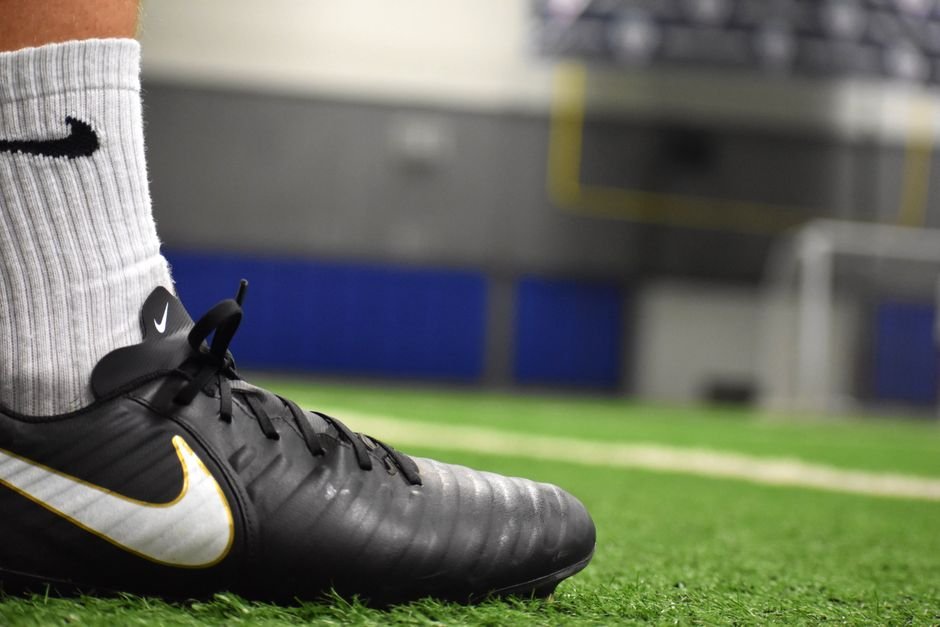
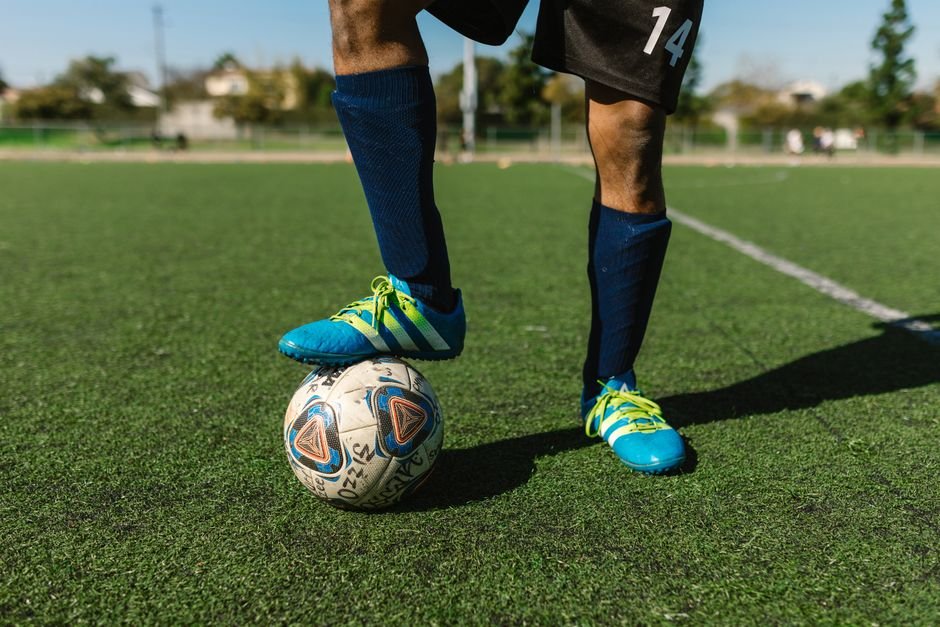
Understanding the type of field you’ll be playing on is essential to choosing the right pair of soccer cleats. Natural grass fields can be soft and muddy in wet seasons, while dry grass or turf surfaces present themselves differently. If you’re frequently on turf, make sure your cleats have shorter studs designed for artificial surfaces.
These are less likely to cause stubbing and promote better grip.
In contrast, if you’re playing on a wet natural grass field, look for cleats with longer, tapered studs that can dig deeper into the ground. They will help maintain your balance and prevent slipping. It’s worth noting that using the wrong type of cleats for a specific field can lead to decreased performance and increased injury risks.
Choosing the Right Cleat Size and Fit
An often overlooked aspect of cleat grip is the fit. A cleat that’s too big can lead to instability, while one that’s too tight can affect blood circulation and comfort. Ideally, you want a snug fit that allows minimal movement of your foot inside the shoe, providing optimal support without sacrificing comfort.
I recommend trying on cleats while wearing the socks you plan to use in games. Also, consider the break-in period. Many players assume they can wear new cleats straight to a match, but a few training sessions are essential to ensure they’re flexible enough to provide adequate grip.
Maintenance Tips for Optimal Grip
Once you find the right cleats, maintaining them can prevent grip issues down the line. Clean the soles after every use to remove mud and debris that could affect traction. A quick rinse under water can do wonders. Some players even use specific brushes designed to enhance the performance of stud patterns.
Check your cleats for wear regularly. If the studs appear worn down or uneven, it’s time to think about a replacement. You wouldn’t drive a car with worn tires, and your cleats deserve the same level of care.
The Final Verdict: Finding the Best Grip for Your Game
For optimal performance, invest in cleats tailored to the surface you play on, especially if you frequently play on artificial turf or natural grass. Soccer players on turf should consider cleats with a rubber solewhile those on grass will benefit from traditional stud patterns. Knowing your field type and regularly maintaining your gear will enhance your footing during critical match moments.
Frequently Asked Questions
Why do my soccer cleats slip on wet grass?
Soccer cleats can slip on wet grass due to the reduced friction caused by water on the grass surface. The grass can become slick, making it harder for the studs on the cleats to grip the ground.
How can I improve my soccer cleat grip?
You can improve your soccer cleat grip by choosing the right type of cleats for the playing surface and ensuring the studs are appropriately designed for traction. Additionally, regularly cleaning your cleats and checking for wear can help maintain optimal grip.
Do different surfaces affect soccer cleat traction?
Yes, different playing surfaces significantly affect soccer cleat traction. Cleats designed for firm ground will perform poorly on soft or artificial surfaces, as they are tailored for specific conditions.
What are the best materials for soccer cleats?
The best materials for soccer cleats include synthetic materials for durability and lightweight leather for comfort and fit. Look for cleats made with high-quality mesh for breathability and support as well.
Can weather conditions impact soccer cleat performance?
Absolutely, weather conditions can greatly impact soccer cleat performance. Rain, for example, can create slippery conditions, while dry weather can harden ground surfaces, altering traction and grip.
Leave a Reply